N,N-Bis(2-hydroxyethyl)-p-toluenesulfonamide is a chemical compound widely used in organic synthesis within laboratory settings. As a key building block, it plays a crucial role in reactions involving sulfonamide groups. Its versatility makes it an essential component for researchers working on complex molecular structures. This compound is commonly utilized in the development of pharmaceuticals, polymers, and industrial chemicals, offering a reliable foundation for various synthetic pathways. Its chemical stability and reactivity make it a valuable tool for chemists seeking to manipulate molecular structures with precision.
The compound's preferred status stems from its molecular complexity and solubility in organic solvents. These properties enable it to participate in a wide range of chemical reactions, including substitution, condensation, and interactions with similarly soluble reagents. Its ability to maintain stability under standard laboratory conditions further enhances its usability. The compound's solubility and reactivity make it ideal for applications requiring controlled chemical transformations, ensuring consistent results in experimental processes.
In Indonesian laboratories, N,N-Bis(2-hydroxyethyl)-p-toluenesulfonamide is frequently used by researchers and students engaged in organic synthesis. Its role in creating complex molecules makes it a popular choice for academic and industrial research. The compound's availability and chemical properties support its use in both teaching and advanced research environments, contributing to the development of new chemical compounds and materials.
Related TCI products
- TCI T1679 3645-00-9 2-Hydroxyethyl Methyl Terephthalate
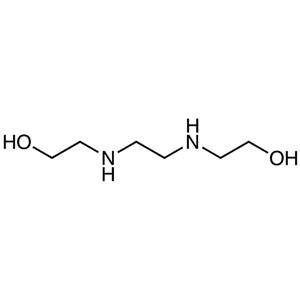
- TCI B3807 4439-20-7 N,N'-Bis(2-hydroxyethyl)ethylenediamine
- TCI B3429 959-26-2 Bis(2-hydroxyethyl) Terephthalate
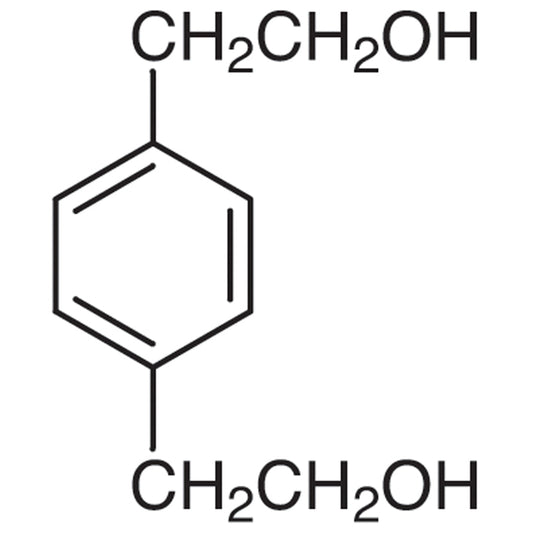
- TCI B2295 5140-03-4 1,4-Bis(2-hydroxyethyl)benzene
- TCI B1158 1455-42-1 3,9-Bis(1,1-dimethyl-2-hydroxyethyl)-2,4,8,10-tetraoxaspiro[5.5]undecane
- TCI A1059 542-59-6 2-Hydroxyethyl Acetate
- Organic synthesis for the creation of complex pharmaceutical compounds due to its reactivity and solubility in organic solvents.
- Polymer development where sulfonamide groups are required for structural stability and functional properties.
- Industrial chemical production as a building block for various chemical intermediates and specialty products.
- Research applications in academic settings for teaching and experimental studies on sulfonamide chemistry.
- Analytical chemistry for use in standardization and calibration processes involving sulfonamide-based reagents.
| Brand | TCI |
|---|---|
| CAS number | 7146-67-0 |
| Molecular formula | — |
| Purity | — |
| Category | Chemistry > Building Blocks > Non-Heterocyclic Building Blocks |
| Pack sizes | Available in various quantities as per standard laboratory supply options |
| Physical form | Solid powder |
| Storage | Store in a cool, dry place away from direct sunlight and moisture |
This compound should be stored in a cool, dry environment to maintain its chemical stability. It is recommended to keep it in a sealed container to prevent exposure to moisture and air. Due to its chemical nature, it should be handled with care, using appropriate personal protective equipment such as gloves and safety goggles. It is important to ensure that storage conditions are consistent with standard laboratory safety protocols. Avoid contact with incompatible materials and ensure proper ventilation when handling. The compound's physical form as a solid powder makes it suitable for storage in standard chemical containers, provided they are airtight and moisture-resistant.
—
Produk Terkait
-
2-HydroxyethylMethylTerephthalate TCI T1679
Regular price From Rp 1.803.900,00Regular priceRp 1.261.050,00Sale price From Rp 1.803.900,00 -
N,N'-Bis(2-hydroxyethyl)ethylenediamine TCI B3807
Regular price Rp 3.498.600,00Regular priceRp 2.446.500,00Sale price Rp 3.498.600,00 -
Bis(2-hydroxyethyl)Terephthalate TCI B3429
Regular price From Rp 928.200,00Regular priceRp 648.900,00Sale price From Rp 928.200,00 -
1,4-Bis(2-hydroxyethyl)benzene TCI B2295
Regular price Rp 10.865.400,00Regular priceRp 7.597.800,00Sale price Rp 10.865.400,00 -
3,9-Bis(1,1-dimethyl-2-hydroxyethyl)-2,4,8,10-tetraoxaspiro[5.5]undecane TCI B1158
Regular price From Rp 1.060.500,00Regular priceRp 757.050,00Sale price From Rp 1.060.500,00 -
2-HydroxyethylAcetate TCI A1059
Regular price From Rp 2.094.750,00Regular priceRp 1.464.750,00Sale price From Rp 2.094.750,00 -
(+/-)-4-(1-Hydroxyethyl)benzonitrile TCI H1955
Regular price From Rp 2.359.350,00Regular priceRp 1.665.300,00Sale price From Rp 2.359.350,00 -
N-(2-Hydroxyethyl)benzamide TCI H1930
Regular price From Rp 2.782.500,00Regular priceRp 1.961.400,00Sale price From Rp 2.782.500,00