4-Benzoylbutyric Acid is a chemical compound widely used as a foundational building block in various chemical reactions. It plays a crucial role in the synthesis of complex organic compounds, especially in the development of heterocyclic compounds and derivatives of carboxylic acids. In laboratory settings, this compound serves as an essential tool for creating molecules with specific structural features. Its versatility makes it a key component in many synthetic pathways, contributing to the advancement of organic chemistry research.
The compound is favored for its stable chemical properties and its ability to react with a variety of functional groups. These characteristics make it ideal for reactions such as esterification, amidation, and substitution. Its good solubility in organic solvents further enhances its utility in laboratory processes, facilitating easier handling and purification. This combination of reactivity and solubility ensures that 4-Benzoylbutyric Acid remains a preferred choice for chemists working in both academic and industrial environments.
In Indonesian laboratories, 4-Benzoylbutyric Acid is extensively used in organic chemistry research, both in universities and research institutions. Its availability in various packaging options ensures accessibility for researchers and students who require this compound for their experiments. The compound’s broad applications in the synthesis of heterocyclic compounds and carboxylic acid derivatives make it a valuable asset in the chemical research landscape of Indonesia.
- Synthesis of heterocyclic compounds for drug development and industrial chemical production due to its reactivity and structural versatility.
- Preparation of carboxylic acid derivatives through esterification and amidation reactions because of its functional group compatibility.
- Organic synthesis in academic and research settings where precise molecular structures are required for experimental studies.
- Reactions involving substitution processes due to its ability to interact with various functional groups in synthetic pathways.
- Purification and separation procedures in laboratory workflows thanks to its solubility in organic solvents.
| Brand | TCI |
|---|---|
| CAS number | 1501-05-9 |
| Molecular formula | — |
| Purity | — |
| Category | Chemistry > Building Blocks > Non-Heterocyclic Building Blocks |
| Pack sizes | Available in various sizes as per supplier offerings |
| Physical form | Solid (as per standard chemical properties) |
| Storage | Store in a cool, dry place away from light and moisture |
4-Benzoylbutyric Acid should be stored in a cool, dry environment away from direct light and moisture to maintain its chemical stability. It is recommended to use airtight containers made of glass or polyethylene to prevent contamination and degradation. In a laboratory setting, it is important to handle the compound with appropriate personal protective equipment, such as gloves and safety goggles, to ensure safe handling. Proper ventilation should be maintained when working with the compound to minimize exposure to vapors. The compound should be kept away from incompatible materials such as strong bases or oxidizing agents to prevent unwanted reactions. Regular inspection of storage conditions is advised to ensure the integrity of the material throughout its shelf life.
—
Produk Terkait
-
2-EthylbutyricAcid TCI E0070
Regular price From Rp 900.900,00Regular priceRp 645.750,00Sale price From Rp 900.900,00 -
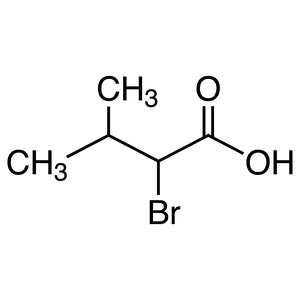
2-Bromo-3-methylbutyricAcid TCI B0668
Regular price Rp 2.068.500,00Regular priceRp 1.461.600,00Sale price Rp 2.068.500,00 -
DL-2-MethylbutyricAcid TCI M0181
Regular price From Rp 955.500,00Regular priceRp 667.800,00Sale price From Rp 955.500,00 -
2-Hydroxy-2-methylbutyricAcid TCI H0636
Regular price From Rp 1.220.100,00Regular priceRp 868.350,00Sale price From Rp 1.220.100,00 -
2,2-DimethylbutyricAcid TCI D2429
Regular price From Rp 1.723.050,00Regular priceRp 1.220.100,00Sale price From Rp 1.723.050,00 -
2-(4-Chlorophenyl)-3-methylbutyricAcid TCI C2741
Regular price Rp 1.670.550,00Regular priceRp 1.183.350,00Sale price Rp 1.670.550,00 -
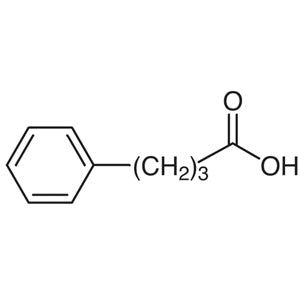
4-PhenylbutyricAcid TCI P0643
Regular price From Rp 2.147.250,00Regular priceRp 1.517.250,00Sale price From Rp 2.147.250,00 -
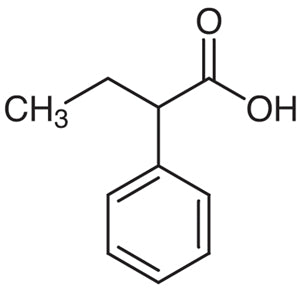
2-PhenylbutyricAcid TCI P0164
Regular price From Rp 557.550,00Regular priceRp 405.300,00Sale price From Rp 557.550,00