3,4-Dichlorophenacyl Bromide is a chemical compound widely used as a building block in organic synthesis. It serves as a versatile intermediate in the creation of complex organic molecules, particularly in the development of heterocyclic compounds and functionalized derivatives. This reagent is essential in laboratory settings where controlled reactivity and structural versatility are required. Its ability to participate in nucleophilic substitution and condensation reactions makes it a valuable tool for synthetic chemists.
The compound is known for its chemical stability and reactivity, which allows it to be used in a variety of synthetic pathways. Its well-defined molecular structure enables accurate characterization through spectroscopic techniques, making it a reliable choice for analytical and preparative applications. The compound’s predictable behavior in different reaction conditions ensures consistent results, which is crucial in research and development environments.
In Indonesian laboratories, 3,4-Dichlorophenacyl Bromide is commonly used in organic chemistry research, especially in the synthesis of new compounds and the study of reaction mechanisms. It is also utilized in educational projects and research initiatives focused on chemical synthesis and molecular design. Its availability and reliability make it a preferred material for both academic and industrial applications.
- Organic synthesis of heterocyclic compounds due to its reactivity and structural versatility.
- Preparation of functionalized derivatives through nucleophilic substitution reactions.
- Research on reaction mechanisms in chemical processes requiring controlled reactivity.
- Educational projects involving molecular design and synthetic pathway development.
- Analytical applications where accurate spectral characterization of compounds is required.
| Brand | TCI |
|---|---|
| CAS number | 2632-10-2 |
| Molecular formula | — |
| Purity | — |
| Category | Chemistry > Building Blocks > Non-Heterocyclic Building Blocks |
| Pack sizes | Available in various quantities as per supplier specifications |
| Physical form | Solid, crystalline appearance |
| Storage | Store in a cool, dry place away from light and moisture |
This compound should be stored in a cool, dry environment, away from direct sunlight and moisture. It is recommended to use airtight containers to prevent exposure to humidity and air. Due to its reactivity, it should be handled in a well-ventilated area, preferably under a fume hood. Avoid contact with incompatible materials such as strong bases or reducing agents. Always wear appropriate personal protective equipment, including gloves and safety goggles, when handling this compound. Proper storage and handling ensure the compound remains stable and safe for use in laboratory applications.
—
Produk Terkait
-
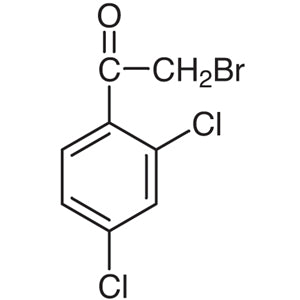
2,4-DichlorophenacylBromide TCI D3351
Regular price Rp 3.340.050,00Regular priceRp 2.350.950,00Sale price Rp 3.340.050,00 -
4-ChlorophenacylBromide TCI B0568
Regular price From Rp 1.220.100,00Regular priceRp 868.350,00Sale price From Rp 1.220.100,00 -
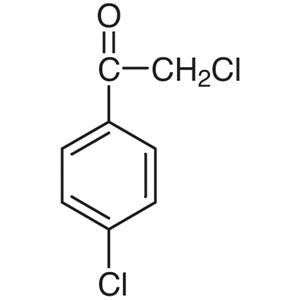
4-ChlorophenacylChloride TCI C1306
Regular price From Rp 795.900,00Regular priceRp 572.250,00Sale price From Rp 795.900,00 -
3-BromophenacylBromide TCI B4125
Regular price From Rp 1.167.600,00Regular priceRp 831.600,00Sale price From Rp 1.167.600,00 -
2-BromophenacylBromide TCI B4124
Regular price From Rp 1.961.400,00Regular priceRp 1.387.050,00Sale price From Rp 1.961.400,00