N-(tert-Butoxycarbonyl)-D-valine is a chemical compound widely used in peptide synthesis and related molecular biology reactions. It serves as a key building block in the creation of peptides with specific structural configurations, especially in research requiring amino acid modification. This compound is essential for scientists working in chemical biology and peptide chemistry, enabling the development of complex molecules for various scientific applications. Its role in laboratory settings is critical for advancing research in medicinal chemistry and biochemical studies.
The compound is valued for its chemical stability and its ability to participate in specific chemical reactions, such as deprotection and peptide bond formation. Its non-reactive nature under certain conditions makes it ideal for controlled synthesis processes, minimizing unwanted side reactions. This characteristic ensures consistency and reliability in experimental outcomes, making it a preferred choice for researchers. Its predictable behavior and high purity further enhance its utility in laboratory environments.
In Indonesian laboratories, N-(tert-Butoxycarbonyl)-D-valine is commonly used by researchers in pure chemistry, biochemistry, and pharmaceutical fields. It plays a vital role in the development of peptides for drug discovery, medical diagnostics, and biochemical investigations. Its availability and reliability make it an essential component in the toolkit of scientists working on complex molecular structures and advanced chemical synthesis techniques.
TCI brochures (PDF)
- Amino Acids and Peptide Synthesis Reagents 2025-08-14 · p. 13
Related TCI products
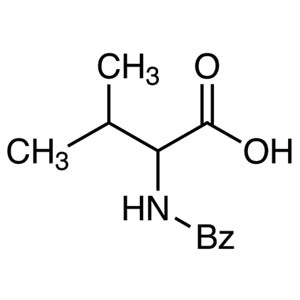
- TCI B0401 2901-80-6 Benzoyl-DL-valine
- TCI F0610 84624-17-9 N-[(9H-Fluoren-9-ylmethoxy)carbonyl]-D-valine
- TCI F0299 68858-20-8 N-[(9H-Fluoren-9-ylmethoxy)carbonyl]-L-valine
- TCI D1505 1098-50-6 Dansyl-L-valine
- TCI D1460 89131-11-3 Dabsyl-L-valine
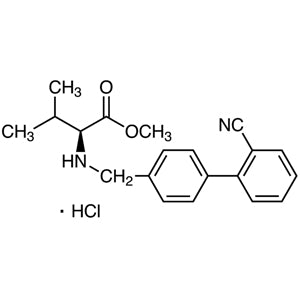
- TCI C2475 482577-59-3 N-(2'-Cyanobiphenyl-4-ylmethyl)-L-valine Methyl Ester Hydrochloride
- Peptide Synthesis: This compound is ideal for constructing peptides with specific sequences, offering stability and controlled reactivity during synthesis.
- Molecular Biology Research: It supports the development of modified amino acids, aiding in the study of protein structures and functions.
- Drug Discovery: Its use in synthesizing peptide-based drugs enables the creation of targeted therapies for various medical conditions.
- Biochemical Analysis: It is used in experiments requiring precise chemical modifications to study biological processes and interactions.
- Medicinal Chemistry: It contributes to the design of novel compounds with potential therapeutic applications in pharmaceutical research.
| Brand | TCI |
|---|---|
| CAS number | 22838-58-0 |
| Molecular formula | — |
| Purity | — |
| Category | Chemistry > Chemical Biology > Peptide Chemistry |
| Pack sizes | Available in various quantities as per supplier specifications |
| Physical form | Solid powder |
| Storage | Store in a cool, dry place away from moisture and direct sunlight |
This compound should be stored in a cool, dry environment to maintain its chemical stability and prevent degradation. It is recommended to keep it in a sealed container to avoid exposure to moisture and air, which can affect its integrity. Proper labeling of storage containers is essential for safe handling and easy identification. Laboratory personnel should wear appropriate personal protective equipment, such as gloves and safety goggles, when handling the compound. It should be stored away from incompatible substances to prevent any potential chemical reactions. Regular monitoring of storage conditions ensures the compound remains in optimal condition for use in research applications.
—
Product Categories
Produk Terkait
-
Benzoyl-DL-valine TCI B0401
Regular price From Rp 505.050,00Regular priceRp 368.550,00Sale price From Rp 505.050,00 -
N-[(9H-Fluoren-9-ylmethoxy)carbonyl]-D-valine TCI F0610
Regular price From Rp 1.749.300,00Regular priceRp 1.239.000,00Sale price From Rp 1.749.300,00 -
N-[(9H-Fluoren-9-ylmethoxy)carbonyl]-L-valine TCI F0299
Regular price From Rp 557.550,00Regular priceRp 405.300,00Sale price From Rp 557.550,00 -
Dansyl-L-valine TCI D1505
Regular price From Rp 557.550,00Regular priceRp 405.300,00Sale price From Rp 557.550,00 -
Dabsyl-L-valine TCI D1460
Regular price Rp 2.597.700,00Regular priceRp 1.832.250,00Sale price Rp 2.597.700,00 -
N-(2'-Cyanobiphenyl-4-ylmethyl)-L-valineMethylEsterHydrochloride TCI C2475
Regular price From Rp 1.801.800,00Regular priceRp 1.275.750,00Sale price From Rp 1.801.800,00 -
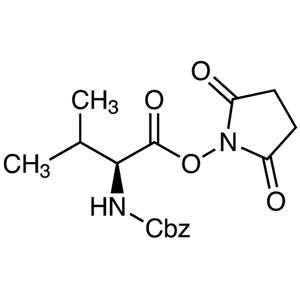
N-Carbobenzoxy-L-valineSuccinimidylEster TCI C2334
Regular price Rp 1.326.150,00Regular priceRp 942.900,00Sale price Rp 1.326.150,00 -
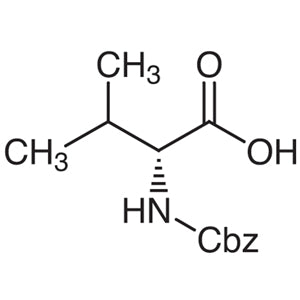
N-Benzyloxycarbonyl-D-valine TCI C2139
Regular price From Rp 795.900,00Regular priceRp 572.250,00Sale price From Rp 795.900,00