Bezafibrate is a chemical compound widely utilized in pharmacological and biochemical research. As a pharmaceutical research reagent, it plays a crucial role in studying the mechanisms of drug action, particularly in compounds classified as fibrates. This compound is essential for experimental investigations into the pharmacological and toxicological effects of various substances. Its versatility makes it a valuable tool for researchers aiming to understand how drugs interact with biological systems. In laboratory settings, Bezafibrate is frequently used to assess the impact of pharmaceutical agents on lipid metabolism and liver function.
One of the key attributes that make Bezafibrate a preferred choice is its chemical stability and solubility in organic solvents. These properties facilitate its use in a wide range of experimental procedures, including synthesis and analytical techniques. Its ability to maintain consistent performance under various experimental conditions ensures reliable results. Additionally, Bezafibrate is relatively safe for experimental use, provided it is handled according to standard laboratory safety protocols. This combination of stability, solubility, and safety makes it a trusted reagent in both academic and research institutions.
In Indonesian laboratories, Bezafibrate is commonly used in pharmacological and bio-pharmaceutical research. It is frequently employed by universities and research organizations to support studies on drug mechanisms and metabolic processes. Its presence in these settings underscores its importance as a fundamental reagent in advancing scientific understanding and innovation. The compound’s consistent performance and adaptability to different experimental needs make it an essential component of many research projects in Indonesia.
TCI brochures (PDF)
- Pharmaceutical Ingredients for Research and Experimental Use 2026-03-09 · p. 22
- Reagents for Biological Research 2025-03-11 · p. 45
Related TCI products
- Pharmacological Research: Bezafibrate is ideal for studying drug mechanisms and metabolic effects due to its stability and solubility.
- Toxicological Studies: It is used to evaluate the toxicological profiles of pharmaceutical compounds in controlled experimental settings.
- Lipid Metabolism Analysis: Its role in assessing lipid metabolism makes it essential for research on metabolic disorders and drug interactions.
- Drug Synthesis Support: Bezafibrate is a valuable reagent in the synthesis of other pharmaceutical compounds due to its chemical properties.
- Liver Function Studies: It is frequently used to investigate the impact of drugs on liver function and metabolic pathways in experimental models.
| Brand | TCI |
|---|---|
| CAS number | 41859-67-0 |
| Molecular formula | — |
| Purity | — |
| Category | Life Science > Biochemicals and Reagents > Pharmaceutical Research Reagents |
| Pack sizes | Available in various quantities as per standard laboratory reagent packaging |
| Physical form | Solid powder (as per standard product description) |
| Storage | Store in a cool, dry place away from direct sunlight and moisture |
Bezafibrate should be stored in a cool, dry environment to maintain its chemical stability. It is recommended to keep it in airtight containers to prevent exposure to moisture and contaminants. Laboratory personnel should always wear appropriate personal protective equipment, such as gloves and safety goggles, when handling this compound. Due to its solubility in organic solvents, it is important to ensure proper ventilation in the workspace. The compound is relatively safe for experimental use, but standard laboratory safety protocols should be strictly followed to minimize any potential risks. Proper storage and handling ensure the integrity of the reagent and the safety of the research environment.
—
Product Categories
- Biochemicals and ReagentsPharmaceutical Research Reagents (for Experimental Use)Antilipemic Ingredients (for Research and Experimental Use)
- Pharmaceutical Development and Drug Discovery ResearchPharmaceutical Research Reagents (for Experimental Use)Antilipemic Ingredients (for Research and Experimental Use)
Produk Terkait
-
AtorvastatinLactone TCI A3114
Regular price From Rp 2.173.500,00Regular priceRp 1.535.100,00Sale price From Rp 2.173.500,00 -
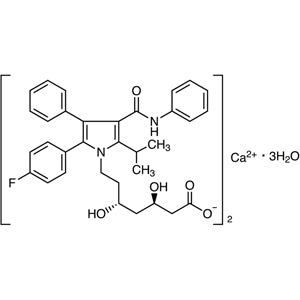
AtorvastatinCalciumSaltTrihydrate TCI A2476
Regular price From Rp 2.862.300,00Regular priceRp 2.017.050,00Sale price From Rp 2.862.300,00 -
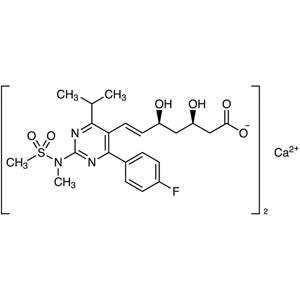
RosuvastatinCalcium TCI R0180
Regular price Rp 4.186.350,00Regular priceRp 2.943.150,00Sale price Rp 4.186.350,00 -
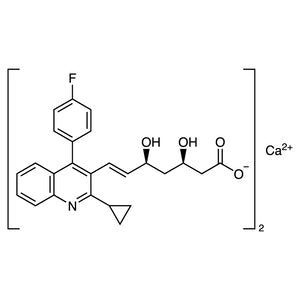
PitavastatinCalcium(contains15%Wateratmaximum) TCI P2071
Regular price Rp 7.712.250,00Regular priceRp 5.408.550,00Sale price Rp 7.712.250,00 -
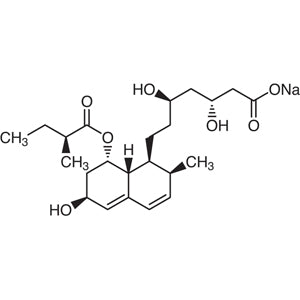
PravastatinSodium TCI P1796
Regular price From Rp 4.823.700,00Regular priceRp 3.388.350,00Sale price From Rp 4.823.700,00 -
Acipimox TCI M2053
Regular price From Rp 1.298.850,00Regular priceRp 924.000,00Sale price From Rp 1.298.850,00 -
Guggulsterone[mixtureof(E)-and(Z)-isomers] TCI G0629
Regular price Rp 8.374.800,00Regular priceRp 5.871.600,00Sale price Rp 8.374.800,00 -
Gemfibrozil TCI G0368
Regular price From Rp 1.351.350,00Regular priceRp 960.750,00Sale price From Rp 1.351.350,00