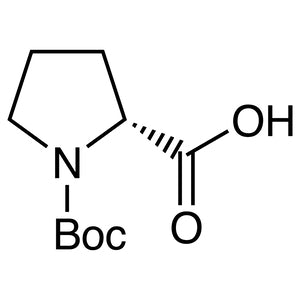
N-(tert-Butoxycarbonyl)-D-proline Succinimidyl Ester is a chemical compound widely used in chemical biology, particularly in peptide chemistry. This compound plays a crucial role in the synthesis of peptides with specific structural configurations. Its ability to react with other amino acids through peptide bond formation makes it an essential reagent in laboratory settings. It is commonly utilized in research aimed at developing new drugs and bioactive compounds.
The compound is known for its chemical stability and reactivity, which allow it to function effectively under various reaction conditions. Its complex molecular structure enables specific reactions with a wide range of substrates, expanding its applications in peptide synthesis. The solid form of the compound and its ease of handling make it a preferred choice for laboratories requiring high-quality reagents.
In Indonesian laboratories, this compound is frequently used in chemical biology and pharmacology research. Local researchers value its role in the synthesis of complex peptides, which is vital for advancing scientific studies in these fields. Its reliability and effectiveness contribute to its popularity among researchers working on bioactive compound development.
TCI brochures (PDF)
- Amino Acids and Peptide Synthesis Reagents 2025-08-14 · p. 13
Related TCI products
- TCI B4787 73323-65-6 N-(tert-Butoxycarbonyl)-D-proline Methyl Ester
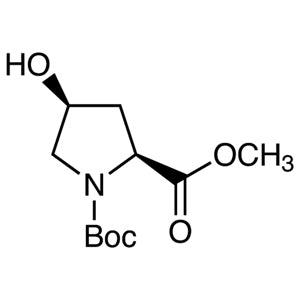
- TCI B3987 102195-79-9 N-(tert-Butoxycarbonyl)-cis-4-hydroxy-L-proline Methyl Ester
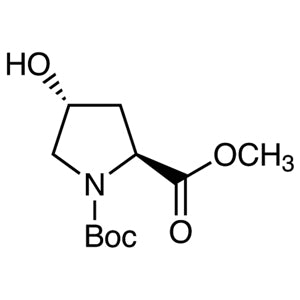
- TCI B3843 74844-91-0 N-(tert-Butoxycarbonyl)-trans-4-hydroxy-L-proline Methyl Ester
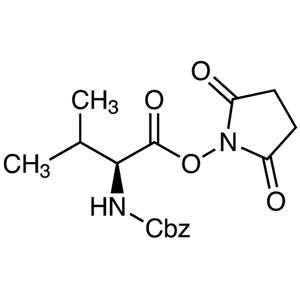
- TCI C2334 3496-11-5 N-Carbobenzoxy-L-valine Succinimidyl Ester
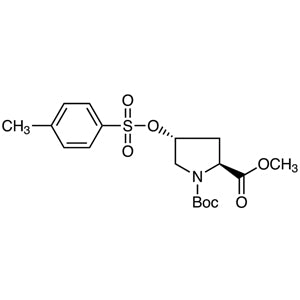
- TCI B5247 88043-21-4 N-(tert-Butoxycarbonyl)-trans-4-(p-toluenesulfonyloxy)-L-proline Methyl Ester
- TCI B4141 84348-37-8 N-(tert-Butoxycarbonyl)-4-oxo-L-proline
- Peptide Synthesis: This compound is ideal for synthesizing peptides with specific stereochemical configurations due to its reactivity and compatibility with other amino acids.
- Drug Development: It supports the creation of bioactive compounds by enabling the formation of stable peptide bonds, which are essential in pharmaceutical research.
- Biochemical Research: Its use in biochemical studies allows for the investigation of peptide-based interactions and molecular mechanisms in biological systems.
- Structural Analysis: The compound is useful in studies that require precise control over peptide structure, aiding in the analysis of molecular behavior.
- Custom Peptide Production: It is a preferred reagent for laboratories producing custom peptides for research and development purposes.
| Brand | TCI |
|---|---|
| CAS number | 102185-34-2 |
| Molecular formula | — |
| Purity | — |
| Category | Chemistry > Chemical Biology > Peptide Chemistry |
| Pack sizes | Available in various quantities as per standard laboratory requirements |
| Physical form | Solid |
| Storage | Store in a cool, dry place away from moisture and light |
This compound should be stored in a cool, dry environment, away from moisture and direct light to maintain its chemical integrity. It is recommended to use airtight containers to prevent exposure to air and humidity. Due to its reactivity, it should be handled with care, using appropriate personal protective equipment such as gloves and safety goggles. Proper ventilation is essential when working with this compound to minimize inhalation risks. It should not be stored near incompatible substances such as strong acids or bases. Regular monitoring of storage conditions ensures the compound remains stable and effective for laboratory use.
—
Product Categories
Produk Terkait
-
N-(tert-Butoxycarbonyl)-D-prolineMethylEster TCI B4787
Regular price From Rp 822.150,00Regular priceRp 590.100,00Sale price From Rp 822.150,00 -
N-(tert-Butoxycarbonyl)-cis-4-hydroxy-L-prolineMethylEster TCI B3987
Regular price From Rp 742.350,00Regular priceRp 534.450,00Sale price From Rp 742.350,00 -
N-(tert-Butoxycarbonyl)-trans-4-hydroxy-L-prolineMethylEster TCI B3843
Regular price From Rp 822.150,00Regular priceRp 590.100,00Sale price From Rp 822.150,00 -
N-Carbobenzoxy-L-valineSuccinimidylEster TCI C2334
Regular price Rp 1.326.150,00Regular priceRp 942.900,00Sale price Rp 1.326.150,00 -
N-(tert-Butoxycarbonyl)-trans-4-(p-toluenesulfonyloxy)-L-prolineMethylEster TCI B5247
Regular price From Rp 610.050,00Regular priceRp 442.050,00Sale price From Rp 610.050,00 -
N-(tert-Butoxycarbonyl)-4-oxo-L-proline TCI B4141
Regular price From Rp 1.351.350,00Regular priceRp 960.750,00Sale price From Rp 1.351.350,00 -
N-(tert-Butoxycarbonyl)-D-proline TCI B2977
Regular price From Rp 2.121.000,00Regular priceRp 1.498.350,00Sale price From Rp 2.121.000,00 -
trans-N-(tert-Butoxycarbonyl)-4-hydroxy-L-proline TCI B1635
Regular price Rp 1.829.100,00Regular priceRp 1.294.650,00Sale price Rp 1.829.100,00