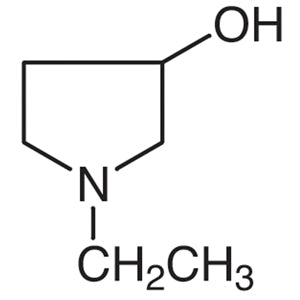
1-(tert-Butoxycarbonyl)-3-pyrrolidinol is a chemical compound widely used as a building block in the synthesis of heterocyclic compounds. This material plays a crucial role in laboratory settings, particularly in organic chemistry, where it contributes to the formation of complex molecular structures. Its presence in various chemical reactions helps facilitate the creation of pyrrolidinol-based frameworks, which are essential in the development of numerous organic compounds. Due to its structural versatility, it is a valuable tool for chemists working on synthetic pathways.
The compound is valued for its chemical stability and reactivity under controlled conditions. It can participate in a range of substitution and coupling reactions, making it a preferred choice for synthetic chemists. Its ability to form stable intermediates during reactions enhances the efficiency of synthetic processes. The molecular structure of 1-(tert-Butoxycarbonyl)-3-pyrrolidinol allows it to be a flexible starting material, suitable for multiple applications in organic synthesis. This adaptability makes it a reliable component in laboratory workflows.
In Indonesian laboratories, this compound is commonly used in research related to organic chemistry, especially in pharmaceutical and biological activity studies. It is an essential part of efforts to develop new compounds with therapeutic potential or industrial applications. Its role in the synthesis of heterocyclic compounds makes it a key material for researchers aiming to create novel chemical entities. Its use is widespread in academic and industrial research settings in Indonesia.
- Organic synthesis of heterocyclic compounds due to its ability to form stable intermediates in pyrrolidinol-based structures.
- Pharmaceutical research for the development of bioactive molecules with therapeutic potential.
- Bioorganic chemistry applications in the design of compounds with specific biological activities.
- Structural modification of pyrrolidinol derivatives for enhanced reactivity and functional group compatibility.
- Industrial chemical synthesis for the production of specialty chemicals and intermediates.
| Brand | TCI |
|---|---|
| CAS number | 103057-44-9 |
| Molecular formula | — |
| Purity | — |
| Category | Chemistry > Building Blocks > Heterocyclic Building Blocks |
| Pack sizes | As available from supplier |
| Physical form | Solid (as per typical chemical compound form) |
| Storage | Store in a cool, dry place away from moisture and direct sunlight. |
This compound should be stored in a cool, dry environment to maintain its chemical stability. It is recommended to keep it in a tightly sealed container to prevent exposure to moisture and air. Due to its chemical nature, it should be handled in a well-ventilated area to minimize inhalation risks. Avoid contact with incompatible substances such as strong oxidizers or acids. Proper personal protective equipment, including gloves and safety goggles, should be worn during handling. Regular monitoring of storage conditions ensures the compound remains in optimal condition for laboratory use.
—
Produk Terkait
-
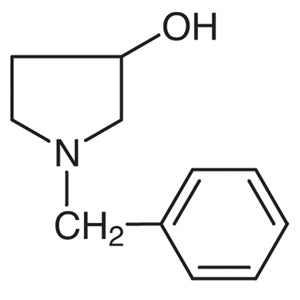
1-Benzyl-3-pyrrolidinol TCI B1597
Regular price From Rp 1.670.550,00Regular priceRp 1.183.350,00Sale price From Rp 1.670.550,00 -
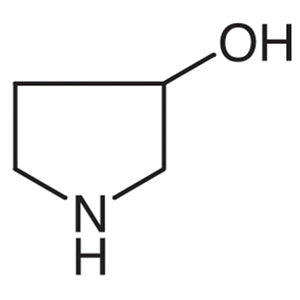
DL-3-Pyrrolidinol TCI P1083
Regular price From Rp 3.895.500,00Regular priceRp 2.739.450,00Sale price From Rp 3.895.500,00 -
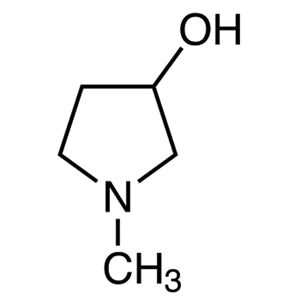
1-Methyl-3-pyrrolidinol TCI M2115
Regular price From Rp 2.597.700,00Regular priceRp 1.832.250,00Sale price From Rp 2.597.700,00 -
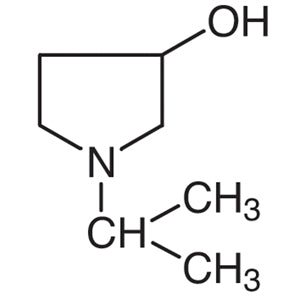
1-Isopropyl-3-pyrrolidinol TCI I0430
Regular price Rp 3.127.950,00Regular priceRp 2.202.900,00Sale price Rp 3.127.950,00 -
1-Ethyl-3-pyrrolidinol TCI E0425
Regular price Rp 3.603.600,00Regular priceRp 2.535.750,00Sale price Rp 3.603.600,00 -
(S)-1-(tert-Butoxycarbonyl)-3-pyrrolidinol TCI B3055
Regular price From Rp 582.750,00Regular priceRp 423.150,00Sale price From Rp 582.750,00 -
(R)-1-(tert-Butoxycarbonyl)-3-pyrrolidinol TCI B3054
Regular price From Rp 1.856.400,00Regular priceRp 1.313.550,00Sale price From Rp 1.856.400,00 -
1-(tert-Butoxycarbonyl)-3-(cyanomethylene)azetidine TCI B5217
Regular price From Rp 875.700,00Regular priceRp 627.900,00Sale price From Rp 875.700,00