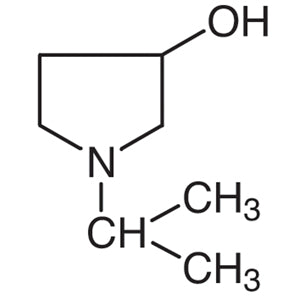
1-Isopropyl-3-pyrrolidinol is a chemical compound widely used as a building block in the synthesis of heterocyclic compounds. It plays a crucial role in laboratory settings, particularly in the development of new chemical entities with pharmaceutical or industrial applications. This compound is essential for researchers working in organic chemistry and medicinal chemistry, as it contributes to the creation of complex molecular structures. Its versatility makes it a valuable tool in various synthetic pathways, supporting the design of compounds with specific functional groups and reactivity profiles.
The compound's unique chemical structure, consisting of a pyrrolidine ring and an isopropyl group, provides both reactivity and stability. These characteristics make it a preferred choice for use in substitution reactions, coupling reactions, and reduction processes. Its ability to participate in a wide range of chemical transformations is due to the presence of both polar and non-polar functional groups, allowing it to interact effectively with different reagents and catalysts. This adaptability enhances its utility in both academic and industrial research environments.
In Indonesian laboratories, 1-Isopropyl-3-pyrrolidinol is commonly used in research related to drug development, industrial chemical synthesis, and molecular structure studies. Its availability in the local market ensures that scientists and researchers can access this essential compound for their experiments. The compound's role in creating new chemical compounds supports advancements in both pharmaceutical and chemical industries, making it a critical component of modern laboratory work.
Related TCI products
- Drug development research utilizes 1-Isopropyl-3-pyrrolidinol for synthesizing bioactive compounds due to its reactivity and structural versatility.
- Industrial chemical synthesis benefits from this compound’s ability to participate in various reaction mechanisms, enhancing the efficiency of production processes.
- Organic chemistry studies rely on this building block to explore new synthetic pathways and functional group transformations.
- Medicinal chemistry research employs it to design and develop pharmaceutical compounds with specific pharmacological properties.
- Molecular structure analysis uses this compound as a key component in the study of heterocyclic systems and their chemical behavior.
| Brand | TCI |
|---|---|
| CAS number | 42729-56-6 |
| Molecular formula | — |
| Purity | — |
| Category | Chemistry > Building Blocks > Heterocyclic Building Blocks |
| Pack sizes | Available in various quantities as per supplier specifications |
| Physical form | Liquid or solid, depending on the specific formulation |
| Storage | Store in a cool, dry place away from direct sunlight and incompatible materials |
1-Isopropyl-3-pyrrolidinol should be stored in a cool, dry environment to maintain its chemical integrity. It is recommended to keep the compound in a tightly sealed container to prevent exposure to moisture and air. Due to its potential reactivity, it should be stored away from strong oxidizing agents and incompatible substances. Proper labeling of storage containers is essential for safety and traceability. Laboratory personnel should wear appropriate personal protective equipment, such as gloves and safety goggles, when handling this compound. Regular inspection of storage conditions ensures that the compound remains stable and suitable for use in research applications.
—
Produk Terkait
-
1-(tert-Butoxycarbonyl)-3-pyrrolidinol TCI B3603
Regular price From Rp 1.618.050,00Regular price -
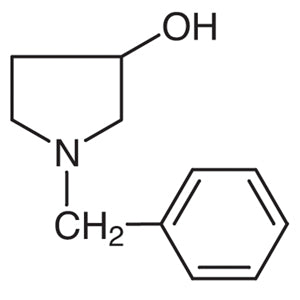
1-Benzyl-3-pyrrolidinol TCI B1597
Regular price From Rp 1.618.050,00Regular price -
DL-3-Pyrrolidinol TCI P1083
Regular price From Rp 3.843.000,00Regular price -
1-Methyl-3-pyrrolidinol TCI M2115
Regular price From Rp 2.545.200,00Regular price -
1-Ethyl-3-pyrrolidinol TCI E0425
Regular price Rp 3.551.100,00Regular price -
2-Isopropyl-6-methylpyrimidin-4-ol TCI I1155
Regular price From Rp 664.650,00Regular price -
2-Isopropyl-4-(N-methylaminomethyl)thiazoleDihydrochloride TCI I1057
Regular price From Rp 610.050,00Regular price -
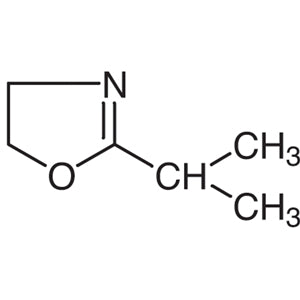
2-Isopropyl-2-oxazoline TCI I0642
Regular price Rp 3.446.100,00Regular price