TCI M2115 1-Methyl-3-pyrrolidinol is a cyclic amino alcohol that combines a five-membered pyrrolidine ring with a hydroxyl group at the 3-position and a methyl group on the nitrogen atom. This simple yet versatile structure makes it a widely used heterocyclic building block in organic synthesis and medicinal chemistry. In the laboratory, the compound frequently serves as a starting point for preparing pharmaceutical intermediates, because the N-methylpyrrolidine motif appears very often in drug molecules that require an amine base with adequate water solubility.
The characteristic that makes it a preferred choice is the presence of two functional groups with different reactivities within a single small molecule. The secondary hydroxyl group can be oxidised to a ketone, converted into a leaving group through mesylation or tosylation, substituted by way of a Mitsunobu reaction, or esterified and etherified as required. Meanwhile, the already methylated tertiary nitrogen requires no additional protecting group, which simplifies the synthetic sequence. The presence of a stereogenic centre at the 3-position also makes it a relevant material for stereochemical studies and enantiomer separation.
In Indonesian laboratories, this building block is typically encountered in university research groups and pharmaceutical R&D units working on organic synthesis and medicinal chemistry programmes. Its liquid form makes it straightforward to dispense and transfer by syringe or pipette, which suits small-scale exploratory reactions as well as repeated method development work. It is generally handled together with other heterocyclic intermediates in the same synthetic route.
- Pharmaceutical intermediate synthesis: the N-methylpyrrolidine motif recurs in drug molecules requiring an amine base with adequate water solubility, making this a direct entry point.
- Medicinal chemistry building block work: the small ring scaffold with two differentiated handles allows rapid elaboration into larger target structures without lengthy protecting-group sequences.
- Hydroxyl group transformations: the secondary alcohol is readily oxidised to the corresponding ketone or converted to esters and ethers for downstream functionalisation.
- Leaving group chemistry and substitution: mesylation or tosylation of the hydroxyl, or Mitsunobu conditions, permit clean displacement reactions to install new substituents at the 3-position.
- Stereochemistry and enantiomer studies: the stereogenic centre at the 3-position makes the material suitable for resolution work and investigations of stereochemical outcome in reactions.
| Brand | TCI |
|---|---|
| CAS number | 13220-33-2 |
| Molecular formula | — |
| Purity | — |
| Category | Chemistry > Building Blocks > Heterocyclic Building Blocks |
| Pack sizes | please refer to the pack size options listed on this product page |
| Physical form | liquid |
| Storage | store according to the conditions stated on the manufacturer label and safety data sheet |
- Chemical name: 1-Methyl-3-pyrrolidinol
Store the container tightly closed in a cool, dry and well-ventilated area, away from heat sources and incompatible materials, following the conditions specified on the manufacturer label and safety data sheet. As a liquid amino alcohol, it should be kept in its original tightly sealed bottle or an equivalent chemically compatible container, and dispensed by syringe or pipette to limit exposure to air and moisture. Handle in a fume hood using safety glasses, gloves and a laboratory coat. Avoid contact with skin and eyes and avoid breathing vapours. Keep records of opening and use, and dispose of residues and contaminated materials in accordance with applicable chemical waste procedures.
—
Produk Terkait
-
1-(tert-Butoxycarbonyl)-3-pyrrolidinol TCI B3603
Regular price From Rp 1.618.050,00Regular price -
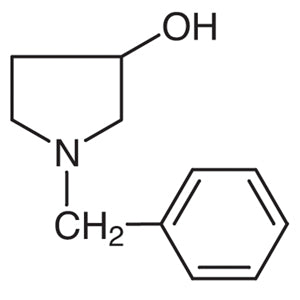
1-Benzyl-3-pyrrolidinol TCI B1597
Regular price From Rp 1.618.050,00Regular price -
DL-3-Pyrrolidinol TCI P1083
Regular price From Rp 3.843.000,00Regular price -
1-Isopropyl-3-pyrrolidinol TCI I0430
Regular price Rp 3.075.450,00Regular price -
1-Ethyl-3-pyrrolidinol TCI E0425
Regular price Rp 3.551.100,00Regular price -
1-Pyrrolidino-1-cyclohexene TCI P1020
Regular price Rp 1.776.600,00Regular price -
1-Pyrrolidino-1-cyclopentene TCI P1001
Regular price From Rp 1.060.500,00Regular price -
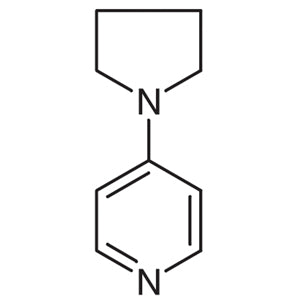
4-Pyrrolidinopyridine TCI P0939
Regular price From Rp 1.378.650,00Regular price