1-Pyrrolidino-1-cyclopentene from TCI is an enamine. It forms when cyclopentanone condenses with pyrrolidine. In this molecule, the pyrrolidine nitrogen is bonded directly to the double-bond carbon of the cyclopentene ring. Organic chemistry laboratories find a ready-to-use enamine like this very practical for Stork alkylation and acylation. These methods form carbon–carbon bonds at the alpha position of a ketone under milder conditions than enolate methods that need strong bases. Because TCI supplies the enamine already made, researchers can skip a preparation step and start the key transformation directly.
Chemists choose this reagent because the beta carbon of the enamine system is nucleophilic. The pyrrolidine nitrogen donates its lone pair into the double bond, so that carbon readily attacks electrophiles such as activated alkyl halides, acyl chlorides and Michael acceptors. After the reaction, the iminium intermediate can be hydrolysed with water under acidic conditions to give a substituted cyclopentanone. This approach tends to give monoalkylation more selectively and reduces polyalkylation side reactions. The five-membered ring also makes it a good precursor for a range of functionalised cyclopentane frameworks.
In Indonesian laboratories, this compound is mainly used in university organic chemistry research groups, synthetic chemistry teaching and research laboratories, and pharmaceutical and fine-chemical development units. Researchers working on multistep synthesis, carbon–carbon bond formation methods or cyclopentanone-based intermediates choose it as a dependable starting material. It is listed under Heterocyclic Building Blocks, and AMI Scientific supplies it as an authentic TCI product, so laboratories can work with a documented reagent that suits careful, reproducible synthetic work.
- Stork enamine alkylation: the nucleophilic beta carbon reacts with activated alkyl halides, so the alpha position of cyclopentanone can be alkylated without strong bases.
- Stork enamine acylation: the enamine reacts with acyl chlorides to give acylated intermediates, which hydrolyse to substituted cyclopentanone derivatives for further synthetic work.
- Michael addition reactions: the electron-rich double bond adds to Michael acceptors, giving a mild route to conjugate addition products built on a cyclopentanone core.
- Selective monoalkylation studies: enamine chemistry reduces the polyalkylation side reactions common with enolates, which makes this reagent useful wherever cleaner single substitution matters.
- Building-block synthesis of cyclopentane frameworks: the five-membered ring makes it a convenient precursor for functionalised cyclopentane intermediates in research and development synthesis programmes.
| Brand | TCI (product code P1001) |
|---|---|
| CAS number | 7148-07-4 |
| Molecular formula | — |
| Purity | — |
| Category | Chemistry > Building Blocks > Heterocyclic Building Blocks |
| Pack sizes | available in TCI's standard pack sizes; please confirm current options with AMI Scientific |
| Physical form | see the TCI product specification and Certificate of Analysis |
| Storage | keep tightly closed and protected from moisture, following the conditions on the TCI label and SDS |
Enamines hydrolyse back to the parent ketone and amine when they meet water, especially under acidic conditions. Store 1-Pyrrolidino-1-cyclopentene in its original, tightly sealed container, away from moisture, acids and strong oxidising agents. Follow the storage temperature and any inert-atmosphere advice on the TCI label and Safety Data Sheet. Use dry glassware and clean, dry syringes or spatulas when you dispense it, and reseal the container promptly after use. Work in a well-ventilated fume hood and wear suitable gloves, safety glasses and a laboratory coat. Avoid skin and eye contact and inhaling vapours. Dispose of residues according to local regulations and your institution's chemical waste procedures.
—
Produk Terkait
-
1-Pyrrolidino-1-cyclohexene TCI P1020
Regular price Rp 1.776.600,00Regular price -
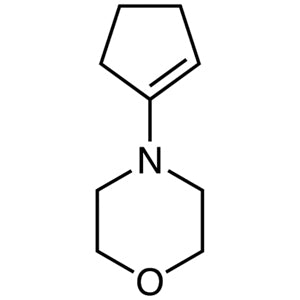
1-Morpholino-1-cyclopentene TCI C1040
Regular price Rp 3.392.550,00Regular price -
1-(tert-Butoxycarbonyl)-3-pyrrolidinol TCI B3603
Regular price From Rp 1.618.050,00Regular price -
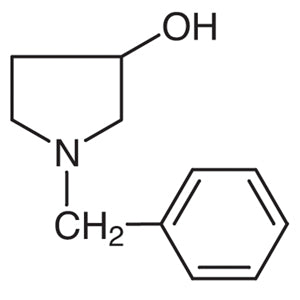
1-Benzyl-3-pyrrolidinol TCI B1597
Regular price From Rp 1.618.050,00Regular price -
DL-3-Pyrrolidinol TCI P1083
Regular price From Rp 3.843.000,00Regular price -
1-Methyl-3-pyrrolidinol TCI M2115
Regular price From Rp 2.545.200,00Regular price -
1-Isopropyl-3-pyrrolidinol TCI I0430
Regular price Rp 3.075.450,00Regular price -
1-Ethyl-3-pyrrolidinol TCI E0425
Regular price Rp 3.551.100,00Regular price