(2R,3R,5S,6S)-5,6-Bis(hydroxymethyl)-2,3-dimethoxy-2,3-dimethyl-1,4-dioxane is a chiral building block widely used in asymmetric synthesis to construct complex molecular structures. This compound plays a crucial role in the development of bioactive compounds, particularly in pharmaceutical and organic chemistry research. Its chiral nature allows for the formation of enantiomers, making it essential for processes requiring precise stereochiral control. In the laboratory, it serves as a key reagent for creating molecules with specific stereochemistry, which is vital for drug discovery and development.
The compound's cyclic structure and functional groups make it a preferred choice in synthetic chemistry. Its stability and reactivity under controlled conditions enable it to participate in various chemical reactions with high specificity. The presence of multiple hydroxymethyl and methoxy groups enhances its versatility in synthetic pathways. These features make it a reliable and efficient component in the synthesis of complex organic molecules, especially those with biological activity. Its ability to undergo selective reactions under specific conditions further solidifies its position as a valuable tool in modern chemical research.
In Indonesian laboratories, this compound is commonly used in pharmaceutical and chemical research. It is a fundamental component in the synthesis of bioactive compounds and is frequently employed in academic and industrial settings. Researchers in Indonesia rely on this compound for its predictable behavior and its role in creating molecules with desired stereochemical properties. Its application spans across various research areas, including drug development and organic synthesis, making it a staple in many laboratories.
TCI brochures (PDF)
- Chiral Building Blocks 2025-04-14 · p. 4
Related TCI products
- TCI B4214 124655-09-0 tert-Butyl (4R,6S)-6-(Hydroxymethyl)-2,2-dimethyl-1,3-dioxane-4-acetate
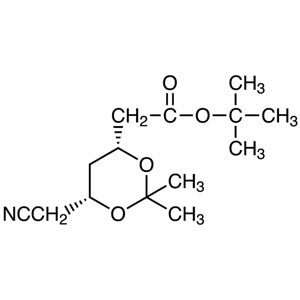
- TCI B3642 125971-94-0 tert-Butyl (4R,6R)-6-Cyanomethyl-2,2-dimethyl-1,3-dioxane-4-acetate
- TCI B3662 61478-26-0 (2S,4R)-1-(tert-Butoxycarbonyl)-4-hydroxy-2-(hydroxymethyl)pyrrolidine
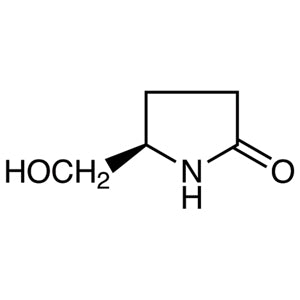
- TCI H1241 66673-40-3 (R)-5-(Hydroxymethyl)-2-pyrrolidinone
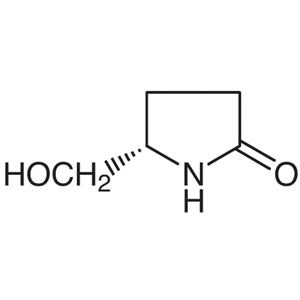
- TCI H0867 17342-08-4 (S)-5-(Hydroxymethyl)-2-pyrrolidinone
- TCI B5657 108149-65-1 tert-Butyl (S)-4-(Hydroxymethyl)-2,2-dimethyloxazolidine-3-carboxylate
- Asymmetric Synthesis: This compound is ideal for asymmetric synthesis due to its chiral framework, enabling the creation of enantiomerically pure compounds essential for pharmaceutical development.
- Organic Chemistry Research: Its cyclic structure and functional groups make it a versatile reagent for constructing complex organic molecules with high stereochemical control.
- Bioactive Compound Development: The compound is frequently used in the synthesis of bioactive molecules, supporting research into drug candidates with specific biological activities.
- Academic Research: Indonesian universities and research institutions use it as a key reagent in teaching and experimental studies focused on stereochemistry and synthetic pathways.
- Industrial Pharmaceutical Applications: It is employed in the development of new drugs, contributing to the production of compounds with desired pharmacological properties.
| Brand | TCI |
|---|---|
| CAS number | 173371-55-6 |
| Molecular formula | — |
| Purity | — |
| Category | Chemistry > Asymmetric Synthesis > Chiral Building Blocks |
| Pack sizes | Available in various quantities as per standard supplier offerings |
| Physical form | Solid or liquid, depending on the specific formulation |
| Storage | — |
This compound should be stored in a cool, dry place away from direct sunlight and sources of heat. It is recommended to use airtight containers to prevent moisture absorption and contamination. Proper ventilation is necessary when handling the material to ensure safe laboratory conditions. Due to its chemical nature, it should be kept in a secure location that is inaccessible to unauthorized personnel. General laboratory safety protocols, such as the use of personal protective equipment, should be followed during handling to minimize exposure risks. The compound is stable under normal storage conditions and does not require special refrigeration unless specified by the supplier.
—
Produk Terkait
-
tert-Butyl(4R,6S)-6-(Hydroxymethyl)-2,2-dimethyl-1,3-dioxane-4-acetate TCI B4214
Regular price Rp 2.702.700,00Regular priceRp 1.905.750,00Sale price Rp 2.702.700,00 -
tert-Butyl(4R,6R)-6-Cyanomethyl-2,2-dimethyl-1,3-dioxane-4-acetate TCI B3642
Regular price Rp 2.464.350,00Regular priceRp 1.738.800,00Sale price Rp 2.464.350,00 -
(2S,4R)-1-(tert-Butoxycarbonyl)-4-hydroxy-2-(hydroxymethyl)pyrrolidine TCI B3662
Regular price From Rp 1.326.150,00Regular priceRp 942.900,00Sale price From Rp 1.326.150,00 -
(R)-5-(Hydroxymethyl)-2-pyrrolidinone TCI H1241
Regular price From Rp 1.696.800,00Regular priceRp 1.202.250,00Sale price From Rp 1.696.800,00 -
(S)-5-(Hydroxymethyl)-2-pyrrolidinone TCI H0867
Regular price From Rp 1.351.350,00Regular priceRp 960.750,00Sale price From Rp 1.351.350,00 -
tert-Butyl(S)-4-(Hydroxymethyl)-2,2-dimethyloxazolidine-3-carboxylate TCI B5657
Regular price From Rp 3.312.750,00Regular priceRp 2.332.050,00Sale price From Rp 3.312.750,00 -
(2S,3S,5R,6R)-5,6-Bis(azidomethyl)-2,3-dimethoxy-2,3-dimethyl-1,4-dioxane TCI B3694
Regular price Rp 1.908.900,00Regular priceRp 1.350.300,00Sale price Rp 1.908.900,00 -
5,5-Bis(hydroxymethyl)-2-phenyl-1,3-dioxane TCI B2682
Regular price Rp 6.996.150,00Regular priceRp 4.907.700,00Sale price Rp 6.996.150,00