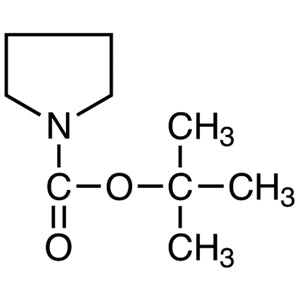
1-tert-Butoxycarbonylpyrrolidine is a chemical compound widely used in organic synthesis reactions, particularly in the formation of heterocyclic compounds. As a building block in chemical synthesis, it provides a versatile platform for creating complex molecular structures. Its core structure is based on pyrrolidine, modified with a butoxycarbonyl group, which enhances its reactivity and functionality in various synthetic pathways. This compound is essential for researchers aiming to develop new materials, pharmaceuticals, or functional chemicals. Its stability and controlled reactivity make it a reliable choice in laboratory settings.
The compound's chemical properties, including its solubility in organic solvents like ethyl acetate and acetone, contribute to its popularity among chemists. Its ability to undergo substitution or deprotonation reactions efficiently makes it ideal for a wide range of synthetic applications. The stability of 1-tert-Butoxycarbonylpyrrolidine under standard laboratory conditions further supports its use in both academic and industrial research. Its predictable behavior and compatibility with various reaction conditions make it a preferred reagent in synthetic chemistry.
In Indonesian laboratories, 1-tert-Butoxycarbonylpyrrolidine is commonly used in pure and applied chemical research. It plays a key role in the development of new drugs, industrial chemicals, and advanced materials. Its availability and effectiveness in chemical reactions make it a sought-after compound among researchers and students. Its role in supporting innovation and scientific progress is significant in the chemical research community in Indonesia.
- Organic synthesis of heterocyclic compounds due to its pyrrolidine core and butoxycarbonyl functionality.
- Pharmaceutical research for the development of new drug molecules through structural modification.
- Industrial chemical production as a building block for complex organic molecules.
- Material science applications in the synthesis of advanced polymers and functional materials.
- Academic research in chemical education and experimental studies for students and researchers.
| Brand | TCI |
|---|---|
| CAS number | 86953-79-9 |
| Molecular formula | — |
| Purity | — |
| Category | Chemistry > Building Blocks > Heterocyclic Building Blocks |
| Pack sizes | Available in standard laboratory quantities |
| Physical form | Liquid |
| Storage | Store in a cool, dry place away from light and moisture |
1-tert-Butoxycarbonylpyrrolidine should be stored in a cool, dry place, away from direct light and moisture. It is recommended to use airtight containers to prevent contamination and maintain its chemical stability. Since it is a liquid, it should be kept in suitable glass or plastic containers that are resistant to chemical degradation. Always ensure proper ventilation when handling the compound to minimize exposure. Avoid contact with incompatible substances such as strong acids or bases. Proper labeling and safe storage practices are essential to ensure the integrity of the compound and the safety of laboratory personnel.
—
Produk Terkait
-
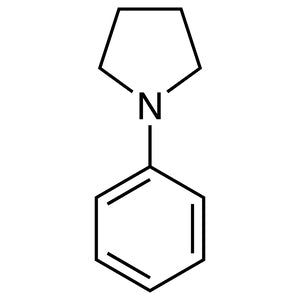
1-Phenylpyrrolidine TCI P3002
Regular price From Rp 4.133.850,00Regular priceRp 2.906.400,00Sale price From Rp 4.133.850,00 -
2-Phenylpyrrolidine TCI P2907
Regular price From Rp 2.147.250,00Regular priceRp 1.517.250,00Sale price From Rp 2.147.250,00 -
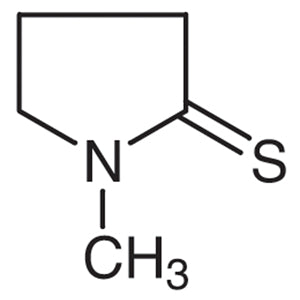
1-Methylpyrrolidine-2-thione TCI M1748
Regular price Rp 2.969.400,00Regular priceRp 2.091.600,00Sale price Rp 2.969.400,00 -
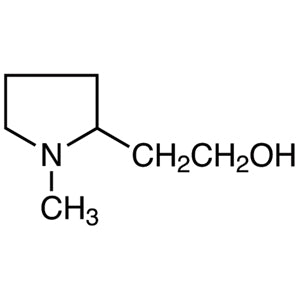
2-(2-Hydroxyethyl)-1-methylpyrrolidine TCI M0908
Regular price From Rp 3.207.750,00Regular priceRp 2.258.550,00Sale price From Rp 3.207.750,00 -
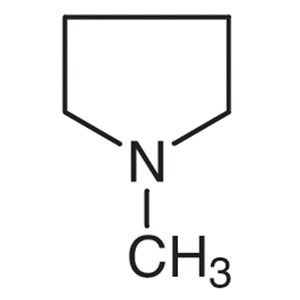
1-Methylpyrrolidine TCI M0415
Regular price From Rp 900.900,00Regular priceRp 645.750,00Sale price From Rp 900.900,00 -
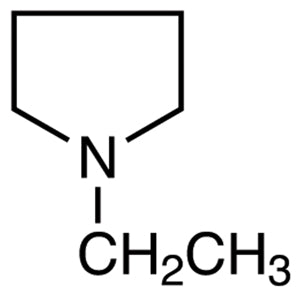
1-Ethylpyrrolidine TCI E0510
Regular price From Rp 2.121.000,00Regular priceRp 1.498.350,00Sale price From Rp 2.121.000,00 -
tert-Butyl3-Carbamoylpyrrolidine-1-carboxylate TCI B5248
Regular price From Rp 1.113.000,00Regular priceRp 793.800,00Sale price From Rp 1.113.000,00 -
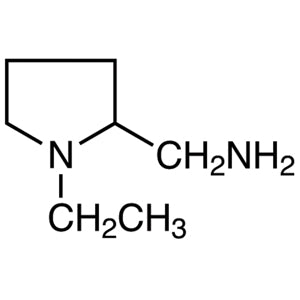
2-(Aminomethyl)-1-ethylpyrrolidine TCI A2556
Regular price From Rp 610.050,00Regular priceRp 442.050,00Sale price From Rp 610.050,00