3-(1,3-Benzodioxol-5-yl)-1-phenyl-2-propen-1-one is a chemical compound widely used in life science research for its versatility in biochemical and organic synthesis applications. This compound is a key component in the study of phenylpropanoids and aromatic polyketides, which are essential in the development of bioactive molecules. Its structural complexity allows for various chemical reactions, making it a valuable tool in the creation of compounds with pharmacological or biological activity.
The compound's stability and reactivity make it a preferred choice for researchers in both academic and industrial settings. Its high purity and solid form ensure consistent results in experimental conditions, which is critical for reproducibility in scientific studies. Additionally, its chemical properties enable it to participate in substitution and addition reactions, expanding its utility in synthetic pathways. These characteristics make it a reliable reagent for a wide range of chemical and biological experiments.
In Indonesian laboratories, this compound is commonly used in pharmacology, biochemistry, and organic chemistry research. Scientists rely on it to develop new compounds with potential therapeutic applications or industrial uses. Its broad range of applications ensures its presence in the inventory of many research facilities, supporting ongoing scientific innovation and discovery.
Related TCI products
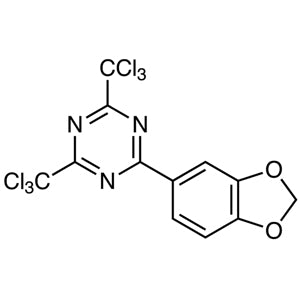
- TCI B3633 71255-78-2 2-(1,3-Benzodioxol-5-yl)-4,6-bis(trichloromethyl)-1,3,5-triazine
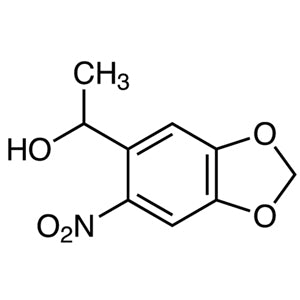
- TCI N1069 159873-64-0 1-(6-Nitro-1,3-benzodioxol-5-yl)ethanol
- TCI B6465 1484-85-1 2-(1,3-Benzodioxol-5-yl)ethanamine
- TCI M0585 1504-55-8 2-Methyl-3-phenyl-2-propen-1-ol
- TCI H1826 2708286-23-9 Hyaluronic Acid 2-(2-Methyl-1-oxo-2-propen-1-yl)hydrazide (degree of substitution 20%)
- TCI D5384 1201-93-0 3-(Dimethylamino)-1-phenyl-2-propen-1-one
- Pharmacological research utilizes this compound for the synthesis of bioactive molecules with potential therapeutic applications.
- Biochemical studies benefit from its role in the investigation of phenylpropanoids and aromatic polyketides, which are important in natural product chemistry.
- Organic synthesis experiments leverage its reactivity and structural complexity to create novel compounds with desired chemical properties.
- Industrial research applications involve its use in the development of compounds for pharmaceutical and chemical industries.
- Analytical chemistry laboratories use it as a reference standard for qualitative and quantitative analysis of complex chemical mixtures.
| Brand | TCI |
|---|---|
| CAS number | 644-34-8 |
| Molecular formula | — |
| Purity | — |
| Category | Life Science > Biochemicals and Reagents > Phenylpropanoids, Aromatic Polyketides |
| Pack sizes | Available in various quantities as per standard laboratory requirements |
| Physical form | Solid |
| Storage | Store in a cool, dry place away from light and moisture |
This compound should be stored in a cool, dry environment, away from direct light and moisture to maintain its stability and purity. It is recommended to use airtight containers to prevent contamination and exposure to air. Due to its chemical reactivity, it should be handled with appropriate personal protective equipment, such as gloves and safety goggles, to ensure laboratory safety. Proper ventilation is also essential when working with this compound to minimize inhalation risks. Its solid form makes it easy to handle, but care should be taken to avoid spills or exposure during preparation and use. Regular monitoring of storage conditions is advised to ensure the compound remains suitable for research applications.
—
Produk Terkait
-
2-(1,3-Benzodioxol-5-yl)-4,6-bis(trichloromethyl)-1,3,5-triazine TCI B3633
Regular price From Rp 1.378.650,00Regular priceRp 979.650,00Sale price From Rp 1.378.650,00 -
1-(6-Nitro-1,3-benzodioxol-5-yl)ethanol TCI N1069
Regular price From Rp 2.809.800,00Regular priceRp 1.980.300,00Sale price From Rp 2.809.800,00 -
2-(1,3-Benzodioxol-5-yl)ethanamine TCI B6465
Regular price Rp 1.696.800,00Regular priceRp 1.202.250,00Sale price Rp 1.696.800,00 -
2-Methyl-3-phenyl-2-propen-1-ol TCI M0585
Regular price Rp 3.658.200,00Regular priceRp 2.557.800,00Sale price Rp 3.658.200,00 -
HyaluronicAcid2-(2-Methyl-1-oxo-2-propen-1-yl)hydrazide(degreeofsubstitution20%) TCI H1826
Regular price Rp 8.745.450,00Regular priceRp 6.130.950,00Sale price Rp 8.745.450,00 -
3-(Dimethylamino)-1-phenyl-2-propen-1-one TCI D5384
Regular price From Rp 1.776.600,00Regular priceRp 1.257.900,00Sale price From Rp 1.776.600,00 -
trans-1,3-Diphenyl-2-propen-1-ol TCI D2808
Regular price From Rp 2.254.350,00Regular priceRp 1.576.050,00Sale price From Rp 2.254.350,00 -
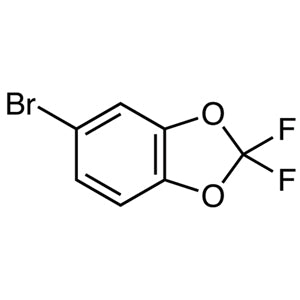
5-Bromo-2,2-difluoro-1,3-benzodioxole TCI B3781
Regular price From Rp 2.013.900,00Regular priceRp 1.423.800,00Sale price From Rp 2.013.900,00