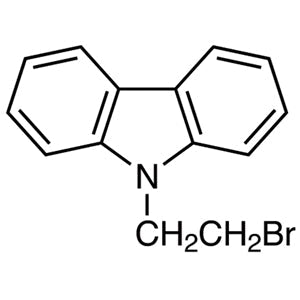
9-(2-Bromoethyl)carbazole is a chemical compound widely used in organic synthesis reactions within laboratory settings. As a heterocyclic building block, it plays a crucial role in the development of complex molecular structures. Its unique chemical structure, featuring a carbazole core linked to a bromoethyl group, makes it an essential component in the synthesis of various compounds. This compound is particularly valued for its versatility and reactivity, allowing chemists to design and create a wide range of functional molecules.
The compound's high reactivity stems from its bromoethyl group, which enables it to participate in nucleophilic and electrophilic reactions. This reactivity makes it ideal for applications requiring chemical transformations and functional group modifications. Additionally, its stability under controlled conditions ensures that it remains a reliable choice for synthetic processes. The presence of the bromo group also enhances its utility in pharmaceutical and materials science research.
In Indonesian laboratories, 9-(2-Bromoethyl)carbazole is commonly used in organic chemistry research, especially in the synthesis of heterocyclic compounds and pharmacological agents. Researchers in academic institutions and industrial laboratories rely on this compound for its chemical versatility and potential applications in drug development and electronic materials. Its use is widespread in both academic and applied research settings.
TCI brochures (PDF)
- Carbazoles 2025-06-27 · p. 3
Related TCI products
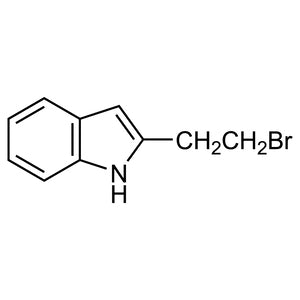
- TCI B2563 3389-21-7 3-(2-Bromoethyl)-1H-indole
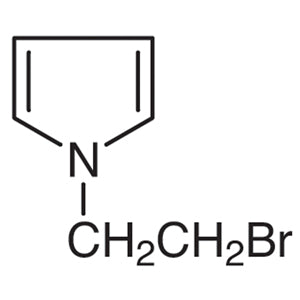
- TCI B1622 78358-86-8 1-(2-Bromoethyl)pyrrole
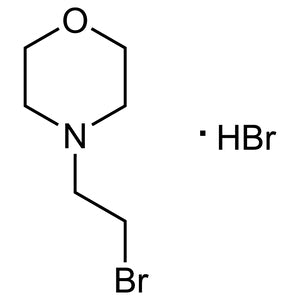
- TCI B6869 42802-94-8 4-(2-Bromoethyl)morpholine Hydrobromide
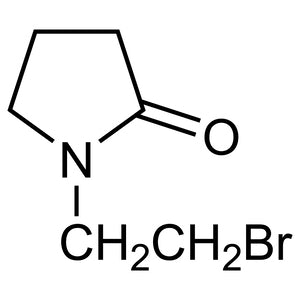
- TCI B6805 117018-99-2 1-(2-Bromoethyl)pyrrolidin-2-one
- TCI B5461 339576-55-5 9-Benzyl-3-bromo-9H-carbazole
- TCI B5437 1616607-88-5 2-(2-Bromophenyl)-9-phenyl-9H-carbazole
- Organic synthesis applications benefit from this compound's reactivity and versatility in creating complex molecular structures.
- Pharmaceutical research utilizes its ability to participate in nucleophilic and electrophilic reactions for drug development.
- Materials science applications leverage its heterocyclic structure for the creation of electronic and optoelectronic materials.
- Academic research in Indonesian universities employs it for the synthesis of heterocyclic compounds and pharmacological agents.
- Industrial chemical processes use it as a building block for the production of specialty chemicals and functional materials.
| Brand | TCI |
|---|---|
| CAS number | 75620-93-8 |
| Molecular formula | — |
| Purity | — |
| Category | Chemistry > Building Blocks > Heterocyclic Building Blocks |
| Pack sizes | Available in various quantities as per supplier specifications |
| Physical form | Solid |
| Storage | Store in a cool, dry place away from light and moisture |
This compound should be stored in a cool, dry environment, away from direct light and moisture to maintain its chemical stability. It is recommended to use airtight containers made of glass or high-density polyethylene to prevent contamination and degradation. Due to its bromoethyl group, it is important to handle it with care, using appropriate personal protective equipment such as gloves and safety goggles. It should be kept in a well-ventilated area to minimize exposure to vapors. Avoid contact with incompatible materials, such as strong oxidizing agents, to ensure safe handling and storage. Proper labeling and storage conditions are essential to maintain the integrity of the compound and ensure safe laboratory practices.
—
Produk Terkait
-
3-(2-Bromoethyl)-1H-indole TCI B2563
Regular price Rp 2.439.150,00Regular priceRp 1.720.950,00Sale price Rp 2.439.150,00 -
1-(2-Bromoethyl)pyrrole TCI B1622
Regular price From Rp 2.306.850,00Regular priceRp 1.628.550,00Sale price From Rp 2.306.850,00 -
4-(2-Bromoethyl)morpholineHydrobromide TCI B6869
Regular price Rp 1.988.700,00Regular priceRp 1.405.950,00Sale price Rp 1.988.700,00 -
1-(2-Bromoethyl)pyrrolidin-2-one TCI B6805
Regular price From Rp 3.207.750,00Regular priceRp 2.258.550,00Sale price From Rp 3.207.750,00 -
9-Benzyl-3-bromo-9H-carbazole TCI B5461
Regular price From Rp 1.563.450,00Regular priceRp 1.108.800,00Sale price From Rp 1.563.450,00 -
2-(2-Bromophenyl)-9-phenyl-9H-carbazole TCI B5437
Regular price From Rp 1.246.350,00Regular priceRp 887.250,00Sale price From Rp 1.246.350,00 -
9-(3-Bromopropyl)carbazole TCI B5183
Regular price From Rp 2.041.200,00Regular priceRp 1.442.700,00Sale price From Rp 2.041.200,00