N-(tert-Butoxycarbonyl)-L-tyrosine Benzyl Ester is a chemical compound widely used in peptide chemistry and molecular synthesis. It serves as a key intermediate in the synthesis of complex molecules with biological activity, particularly in the field of chemical biology. This ester derivative of L-tyrosine is essential for researchers aiming to develop bioactive compounds, as it provides a stable and versatile building block for further chemical modifications. Its presence in laboratory workflows supports the creation of peptides with specific functional groups, enabling targeted biological applications.
The compound's chemical stability and reactivity make it a preferred choice for synthetic chemists. The tert-butoxycarbonyl (Boc) group allows for controlled chemical reactions, facilitating efficient peptide synthesis and modification. Its ability to participate in hydrolysis and coupling reactions enhances its utility in diverse synthetic pathways. The molecular structure also supports the development of modified peptides, making it a valuable reagent in the design of bioactive molecules with therapeutic or industrial potential.
In Indonesian laboratories, this compound is commonly used in biological chemistry, pharmacology, and biochemical research. It plays a crucial role in the development of new compounds with potential medical or industrial applications. Researchers across various institutions rely on it for experiments that require precise chemical synthesis and modification, contributing to advancements in scientific knowledge and innovation.
Related TCI products
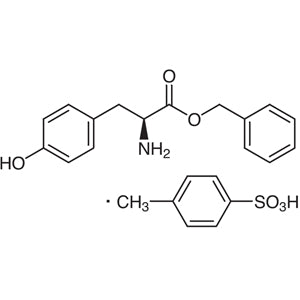
- TCI T2443 53587-11-4 L-Tyrosine Benzyl Ester p-Toluenesulfonate
- TCI B3485 47375-34-8 N-(tert-Butoxycarbonyl)-O-tert-butyl-L-tyrosine
- TCI B3210 16652-64-5 O-Benzyl-L-tyrosine
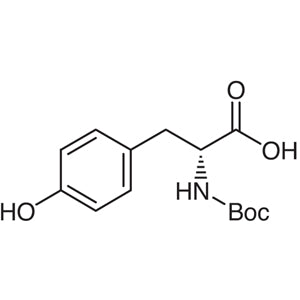
- TCI B2963 70642-86-3 N-(tert-Butoxycarbonyl)-D-tyrosine
- TCI B1640 3978-80-1 N-(tert-Butoxycarbonyl)-L-tyrosine
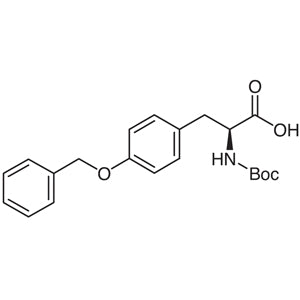
- TCI B1631 2130-96-3 N-(tert-Butoxycarbonyl)-O-benzyl-L-tyrosine
- Peptide Synthesis: This compound is ideal for synthesizing peptides with specific functional groups, enabling the creation of bioactive molecules.
- Molecular Modification: Its reactivity allows for the modification of complex molecules, supporting the development of new therapeutic agents.
- Biochemical Research: It is widely used in biochemical studies to investigate the behavior of amino acid derivatives in biological systems.
- Organic Chemistry Studies: The compound’s stability and reactivity make it a valuable tool in organic synthesis and reaction mechanisms.
- Drug Development: It contributes to the design and synthesis of compounds with potential pharmaceutical applications in medicinal chemistry.
| Brand | TCI |
|---|---|
| CAS number | 19391-35-6 |
| Molecular formula | — |
| Purity | — |
| Category | Chemistry > Chemical Biology > Peptide Chemistry |
| Pack sizes | Available in various quantities as per supplier specifications |
| Physical form | Solid powder |
| Storage | Store in a cool, dry place away from light and moisture |
This compound should be stored in a cool, dry environment, away from direct light and moisture to maintain its chemical stability. It is recommended to use airtight containers to prevent exposure to humidity and contaminants. Due to its reactivity, it should be handled with care in a well-ventilated laboratory setting. Proper personal protective equipment, such as gloves and safety goggles, should be worn during handling. The compound is not flammable but may require specific handling procedures depending on the laboratory’s safety protocols. Regular monitoring of storage conditions ensures the compound remains suitable for use in chemical and biological research applications.
—
Product Categories
Produk Terkait
-
L-TyrosineBenzylEsterp-Toluenesulfonate TCI T2443
Regular price From Rp 1.670.550,00Regular priceRp 1.183.350,00Sale price From Rp 1.670.550,00 -
N-(tert-Butoxycarbonyl)-O-tert-butyl-L-tyrosine TCI B3485
Regular price From Rp 1.087.800,00Regular priceRp 775.950,00Sale price From Rp 1.087.800,00 -
O-Benzyl-L-tyrosine TCI B3210
Regular price Rp 875.700,00Regular priceRp 627.900,00Sale price Rp 875.700,00 -
N-(tert-Butoxycarbonyl)-D-tyrosine TCI B2963
Regular price From Rp 1.696.800,00Regular priceRp 1.202.250,00Sale price From Rp 1.696.800,00 -
N-(tert-Butoxycarbonyl)-L-tyrosine TCI B1640
Regular price From Rp 955.500,00Regular priceRp 683.550,00Sale price From Rp 955.500,00 -
N-(tert-Butoxycarbonyl)-O-benzyl-L-tyrosine TCI B1631
Regular price From Rp 900.900,00Regular priceRp 645.750,00Sale price From Rp 900.900,00 -
1-BenzylN-(tert-Butoxycarbonyl)-D-glutamate TCI B4303
Regular price From Rp 1.246.350,00Regular priceRp 887.250,00Sale price From Rp 1.246.350,00 -
1-BenzylN-(tert-Butoxycarbonyl)-L-aspartate TCI B2408
Regular price From Rp 1.008.000,00Regular priceRp 720.300,00Sale price From Rp 1.008.000,00