


4-(1H-Benzimidazol-2-yl)aniline is a chemical compound widely used as a building block in the synthesis of heterocyclic compounds. This versatile reagent plays a crucial role in laboratory settings, where it is employed to create complex molecular structures, particularly those containing benzimidazole frameworks. Its importance lies in its ability to participate in various chemical reactions that lead to the formation of functionalized derivatives. In the context of Indonesian laboratories, this compound is a key component in both academic and industrial research, supporting the development of new chemical entities and pharmaceutical compounds.
The compound's reactivity and structural versatility make it a preferred choice for chemists working on synthetic pathways. Its molecular structure, featuring both aniline and benzimidazole groups, allows for multiple bonding interactions with other molecules, enhancing its applicability in diverse chemical contexts. This reactivity, combined with its stability under controlled conditions, ensures that it remains a reliable and effective tool for researchers. Its ability to form stable intermediates in synthetic processes further solidifies its position as a valuable reagent in chemical synthesis.
In Indonesian laboratories, 4-(1H-Benzimidazol-2-yl)aniline is commonly used in the study of organic chemistry, pharmaceutical development, and materials science. Its presence in research projects focused on drug discovery and chemical innovation underscores its significance in advancing scientific knowledge. The compound’s adaptability and chemical stability make it a go-to material for experiments requiring high reactivity and structural complexity.
TCI brochures (PDF)
- Ligands 2025-12-01 · p. 11
Related TCI products
- TCI I1288 2221-00-3 4-(1H-Imidazol-1-yl)aniline
- TCI T3013 6523-49-5 4-(1,2,4-Triazol-1-yl)aniline
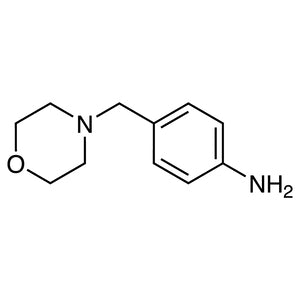
- TCI A3736 51013-67-3 4-(Morpholinomethyl)aniline
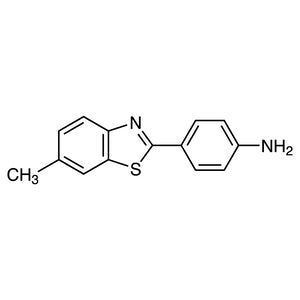
- TCI A3528 92-36-4 4-(6-Methyl-1,3-benzothiazol-2-yl)aniline
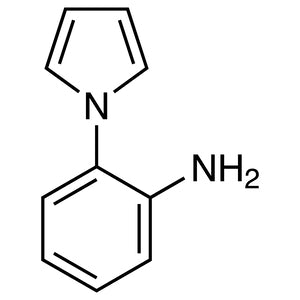
- TCI A3475 6025-60-1 2-(1H-Pyrrol-1-yl)aniline
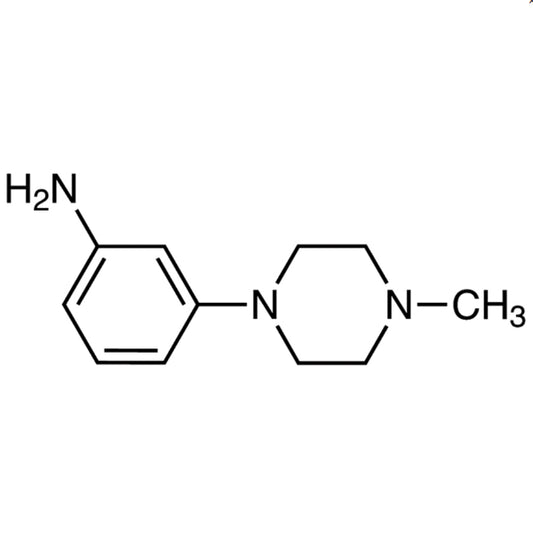
- TCI A2714 148546-99-0 3-(4-Methyl-1-piperazinyl)aniline
- Organic synthesis of benzimidazole derivatives due to its reactive aniline and benzimidazole groups.
- Pharmaceutical research for the development of new drugs with heterocyclic frameworks.
- Chemical engineering applications in the production of specialty chemicals and polymers.
- Academic research in medicinal chemistry for the exploration of bioactive compounds.
- Industrial applications in the formulation of dyes, pigments, and other functional materials.
| Brand | TCI |
|---|---|
| CAS number | 2963-77-1 |
| Molecular formula | — |
| Purity | — |
| Category | Chemistry > Building Blocks > Heterocyclic Building Blocks |
| Pack sizes | 25g, 100g, 500g |
| Physical form | Solid powder |
| Storage | Store in a cool, dry place away from light and moisture |
This compound should be stored in a cool, dry environment, away from direct sunlight and moisture. It is recommended to keep it in a sealed container to prevent exposure to air and humidity. Due to its reactivity, it should be handled with appropriate personal protective equipment, such as gloves and safety goggles. It is important to ensure that the storage area is well-ventilated to minimize the risk of inhalation. Avoid contact with incompatible substances, such as strong oxidizers or acids, to maintain its chemical stability. Proper labeling and storage practices are essential to ensure safe handling and long-term usability in laboratory settings.
—
Produk Terkait
-
4-(1H-Imidazol-1-yl)aniline TCI I1288
Regular price From Rp 900.900,00Regular priceRp 645.750,00Sale price From Rp 900.900,00 -
4-(1,2,4-Triazol-1-yl)aniline TCI T3013
Regular price Rp 1.167.600,00Regular priceRp 831.600,00Sale price Rp 1.167.600,00 -
4-(Morpholinomethyl)aniline TCI A3736
Regular price From Rp 1.008.000,00Regular priceRp 720.300,00Sale price From Rp 1.008.000,00 -
4-(6-Methyl-1,3-benzothiazol-2-yl)aniline TCI A3528
Regular price From Rp 1.749.300,00Regular priceRp 1.239.000,00Sale price From Rp 1.749.300,00 -
2-(1H-Pyrrol-1-yl)aniline TCI A3475
Regular price Rp 4.876.200,00Regular priceRp 3.425.100,00Sale price Rp 4.876.200,00 -
3-(4-Methyl-1-piperazinyl)aniline TCI A2714
Regular price From Rp 1.060.500,00Regular priceRp 757.050,00Sale price From Rp 1.060.500,00 -
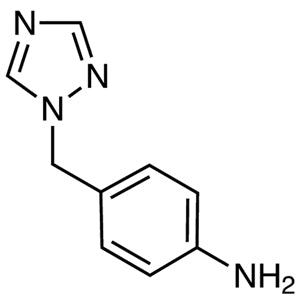
4-(1,2,4-Triazol-1-ylmethyl)aniline TCI A2148
Regular price From Rp 530.250,00Regular priceRp 386.400,00Sale price From Rp 530.250,00 -
4-[(1-Pyrrolidinylsulfonyl)methyl]aniline TCI P2148
Regular price From Rp 689.850,00Regular priceRp 497.700,00Sale price From Rp 689.850,00






![TCI P2148 334981-10-1 4-[(1-Pyrrolidinylsulfonyl)methyl]aniline](http://amiscientific.com/cdn/shop/files/TCI2510P2148_41d88947-a562-4b45-b555-c3678d10658a.jpg?v=1792653357&width=533)
![334981-10-1 4-[(1-Pyrrolidinylsulfonyl)methyl]aniline - AMI Scientific](http://amiscientific.com/cdn/shop/files/TCI2510P2148.jpg?v=1767135798&width=533)