

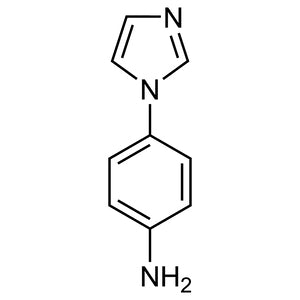
4-(1H-Imidazol-1-yl)aniline is a chemical compound widely used as a foundational building block in the synthesis of heterocyclic compounds. This compound plays a critical role in laboratory settings, particularly in organic and pharmaceutical research, where it serves as a versatile intermediate for creating complex molecular structures. Its unique combination of aniline and imidazole units makes it a valuable tool for chemists aiming to design and develop new compounds with specific functional properties.
The compound is known for its chemical stability under controlled conditions, yet it exhibits high reactivity when exposed to elevated temperatures or strong solvents. These properties make it suitable for a variety of chemical reactions, including substitution, condensation, and aromatic reactions. Its reactivity and structural versatility position it as a preferred choice for researchers seeking to explore new synthetic pathways and functional group modifications.
In Indonesian laboratories, 4-(1H-Imidazol-1-yl)aniline is frequently utilized in both fundamental and applied chemical research. Local researchers from universities and research institutions rely on this compound to develop new substances with applications in medicine, materials science, and industrial chemistry. Its role in advancing scientific innovation is well recognized within the Indonesian scientific community.
TCI brochures (PDF)
- Ligands 2025-12-01 · p. 17
Related TCI products
- TCI B5710 2963-77-1 4-(1H-Benzimidazol-2-yl)aniline
- TCI T3013 6523-49-5 4-(1,2,4-Triazol-1-yl)aniline
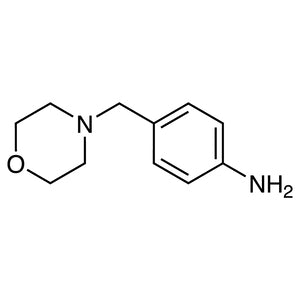
- TCI A3736 51013-67-3 4-(Morpholinomethyl)aniline
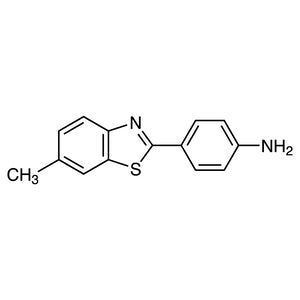
- TCI A3528 92-36-4 4-(6-Methyl-1,3-benzothiazol-2-yl)aniline
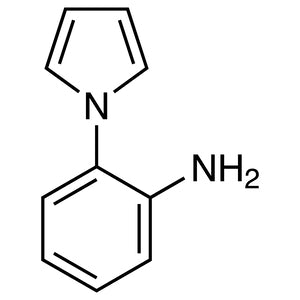
- TCI A3475 6025-60-1 2-(1H-Pyrrol-1-yl)aniline
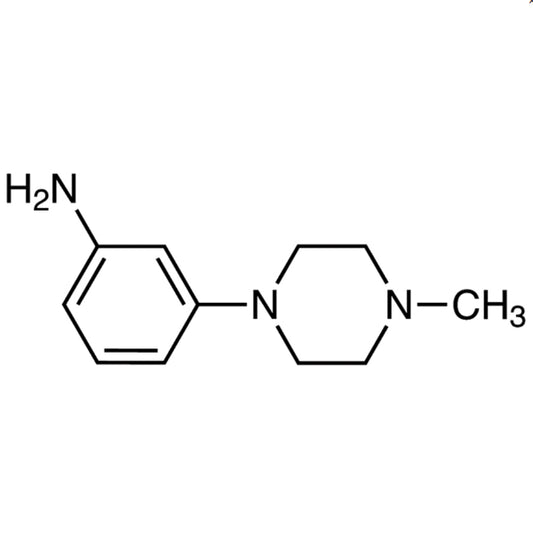
- TCI A2714 148546-99-0 3-(4-Methyl-1-piperazinyl)aniline
- Organic synthesis: This compound is ideal for creating complex heterocyclic structures due to its reactive aniline and imidazole units, enabling the development of new pharmaceutical compounds.
- Pharmaceutical research: It serves as a key building block in the design of drug molecules, offering a platform for functional group modifications and structural diversification.
- Material science studies: Its unique molecular structure makes it suitable for synthesizing advanced materials with specific chemical and physical properties.
- Analytical chemistry: It is used as a standard reference in chromatographic and spectroscopic analyses to ensure accurate identification and quantification of compounds.
- Environmental chemistry: It is employed in the study of chemical interactions in environmental systems, aiding in the development of pollution control and remediation strategies.
| Brand | TCI |
|---|---|
| CAS number | 2221-00-3 |
| Molecular formula | — |
| Purity | — |
| Category | Chemistry > Building Blocks > Heterocyclic Building Blocks |
| Pack sizes | Available in various quantities as per supplier specifications |
| Physical form | Solid (as per standard product description) |
| Storage | Store in a cool, dry place away from light and incompatible substances |
This compound should be stored in a cool, dry environment, away from direct sunlight and sources of heat. It is recommended to keep it in a tightly sealed container to prevent exposure to moisture and air. Due to its reactivity, it should be handled in a well-ventilated laboratory setting, preferably with appropriate personal protective equipment. Avoid contact with strong acids or bases, as they may trigger unwanted chemical reactions. Proper labeling and storage in a designated chemical cabinet are essential to ensure safe handling and prevent accidental exposure. Always follow standard laboratory safety protocols when working with this compound to maintain a secure research environment.
—
Produk Terkait
-
4-(1H-Benzimidazol-2-yl)aniline TCI B5710
Regular price From Rp 5.169.150,00Regular price -
4-(1,2,4-Triazol-1-yl)aniline TCI T3013
Regular price Rp 1.115.100,00Regular price -
4-(Morpholinomethyl)aniline TCI A3736
Regular price From Rp 955.500,00Regular price -
4-(6-Methyl-1,3-benzothiazol-2-yl)aniline TCI A3528
Regular price From Rp 1.696.800,00Regular price -
2-(1H-Pyrrol-1-yl)aniline TCI A3475
Regular price Rp 4.823.700,00Regular price -
3-(4-Methyl-1-piperazinyl)aniline TCI A2714
Regular price From Rp 1.008.000,00Regular price -
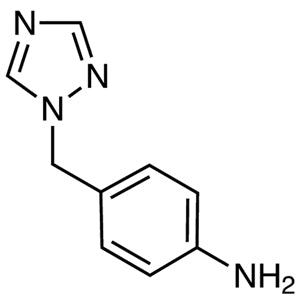
4-(1,2,4-Triazol-1-ylmethyl)aniline TCI A2148
Regular price From Rp 477.750,00Regular price -
4-[(1-Pyrrolidinylsulfonyl)methyl]aniline TCI P2148
Regular price From Rp 637.350,00Regular price



![334981-10-1 4-[(1-Pyrrolidinylsulfonyl)methyl]aniline - AMI Scientific](http://amiscientific.com/cdn/shop/files/TCI2510P2148.jpg?v=1767135798&width=533)