TCI C0881 3-Cyclohexene-1-carboxaldehyde (CAS 100-50-5) is an unsaturated cyclic aldehyde bearing two distinct reactive sites: a formyl group and a ring double bond. This dual functionality allows chemists to perform selective or sequential transformations such as epoxidation, hydroboration, reduction, and condensation. The compound is also a well-known Diels–Alder adduct, making it valuable for both teaching and research applications. AMI Scientific supplies this TCI product in a 25 mL pack and recommends cool, dark storage under inert atmosphere after opening.
Related TCI products
- TCI D5743 68039-49-6 2,4-Dimethyl-3-cyclohexene-1-carboxaldehyde (mixture of isomers)
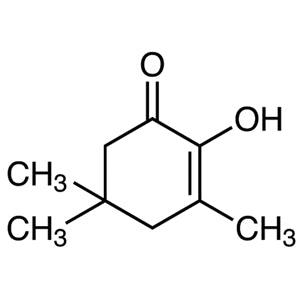
- TCI T2723 4883-60-7 2-Hydroxy-3,5,5-trimethyl-2-cyclohexen-1-one
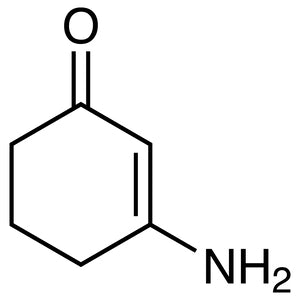
- TCI A1936 5220-49-5 3-Amino-2-cyclohexen-1-one
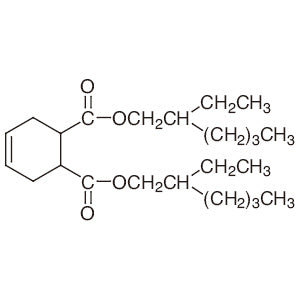
- TCI T0605 2915-49-3 Bis(2-ethylhexyl) 4-Cyclohexene-1,2-dicarboxylate
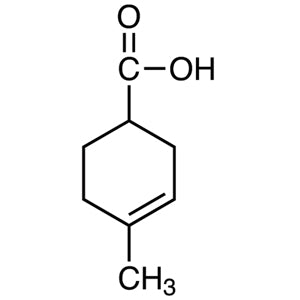
- TCI M2492 4342-60-3 4-Methyl-3-cyclohexene-1-carboxylic Acid
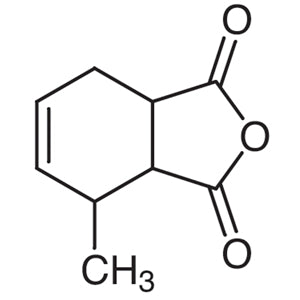
- TCI M1190 5333-84-6 3-Methyl-4-cyclohexene-1,2-dicarboxylic Anhydride
—
| Brand | — |
|---|---|
| CAS number | — |
| Molecular formula | — |
| Purity | — |
| Category | — |
| Pack sizes | — |
| Physical form | — |
| Storage | — |
—
- Schnuch et al. (2012). Is hydroxyisohexyl 3‐cyclohexene carboxaldehyde sensitization declining in central Europe?. Contact Dermatitis doi:10.1111/j.1600-0536.2012.02126.x
- Api et al. (2010). A new IFRA Standard on the fragrance ingredient, hydroxyisohexyl 3‐cyclohexene carboxaldehyde. Contact Dermatitis doi:10.1111/j.1600-0536.2010.01701.x
- Uter et al. (2013). Risk factors associated with sensitization to hydroxyisohexyl 3‐cyclohexene carboxaldehyde. Contact Dermatitis doi:10.1111/cod.12069
References were compiled automatically from Crossref and every DOI was verified to exist. AMI Scientific is not affiliated with the authors or the publishers.
Produk Terkait
-
2,4-Dimethyl-3-cyclohexene-1-carboxaldehyde(mixtureofisomers) TCI D5743
Regular price From Rp 1.035.300,00Regular priceRp 723.450,00Sale price From Rp 1.035.300,00 -
2-Hydroxy-3,5,5-trimethyl-2-cyclohexen-1-one TCI T2723
Regular price Rp 1.273.650,00Regular priceRp 890.400,00Sale price Rp 1.273.650,00 -
3-Amino-2-cyclohexen-1-one TCI A1936
Regular price From Rp 1.563.450,00Regular priceRp 1.108.800,00Sale price From Rp 1.563.450,00 -
Bis(2-ethylhexyl)4-Cyclohexene-1,2-dicarboxylate TCI T0605
Regular price From Rp 477.750,00Regular priceRp 333.900,00Sale price From Rp 477.750,00 -
4-Methyl-3-cyclohexene-1-carboxylicAcid TCI M2492
Regular price From Rp 2.173.500,00Regular priceRp 1.535.100,00Sale price From Rp 2.173.500,00 -
3-Methyl-4-cyclohexene-1,2-dicarboxylicAnhydride TCI M1190
Regular price From Rp 4.877.250,00Regular priceRp 3.410.400,00Sale price From Rp 4.877.250,00 -
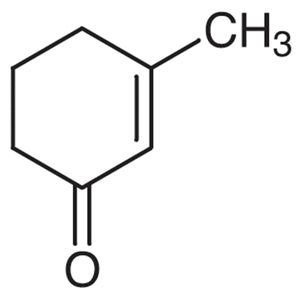
3-Methyl-2-cyclohexen-1-one TCI M1043
Regular price From Rp 980.700,00Regular priceRp 701.400,00Sale price From Rp 980.700,00 -
Methylcyclohexene-1,2-dicarboxylicAnhydride(mixtureofisomers) TCI M0683
Regular price From Rp 875.700,00Regular priceRp 612.150,00Sale price From Rp 875.700,00