TCI C1808 (1,5-Cyclooctadiene)bis(methyldiphenylphosphine)iridium(I) Hexafluorophosphate is a cationic iridium(I) complex. Its ligand set consists of one 1,5-cyclooctadiene (COD) ligand and two methyldiphenylphosphine ligands, and a hexafluorophosphate anion balances the charge. It belongs to the family of cationic iridium-phosphine catalysts that are widely used in homogeneous catalysis. In the laboratory it serves as a precatalyst. It is usually activated with hydrogen gas, which removes the COD ligand and generates an active iridium species for C-H bond activation and other transformations.
Chemists choose this complex because, once activated, its electron-poor and coordinatively unsaturated cationic iridium centre interacts very effectively with C-H bonds and multiple bonds. Iridium complexes of this type are known for directed hydrogen isotope exchange, which means the selective deuteration or tritiation of ortho positions guided by a functional group. They are also known for isomerizing allyl ethers to enol ethers under mild conditions. The phosphine ligands balance stability against reactivity, and the weakly coordinating PF6 anion keeps the metal centre active.
In Indonesian laboratories this precatalyst suits university research groups, organic synthesis laboratories, and pharmaceutical development teams that study homogeneous catalysis and C-H activation. Researchers who need isotopically labelled compounds may use it for selective deuteration as part of mechanistic or analytical studies. Synthetic chemists may use it to make enol ethers from allyl ether precursors under mild conditions. Postgraduate teaching and research projects on organometallic chemistry can also use this complex as a well-defined example of cationic iridium-phosphine catalysis.
TCI brochures (PDF)
- C-H Bond Activation Reaction 2025-06-20 · p. 5
- Transition Metal Catalysts 2026-04-10 · p. 11
Related TCI products
- TCI A2981 12154-84-6 (Acetylacetonato)(1,5-cyclooctadiene)iridium(I)
- TCI D5817 870987-63-6 (4,4'-Di-tert-butyl-2,2'-bipyridine)bis[3,5-difluoro-2-[5-trifluoromethyl-2-pyridinyl-kappaN)phenyl-kappaC]iridium(III) Hexafluorophosphate
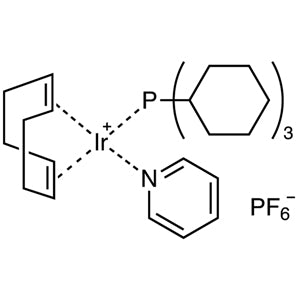
- TCI C2824 64536-78-3 (1,5-Cyclooctadiene)(pyridine)(tricyclohexylphosphine)iridium(I) Hexafluorophosphate
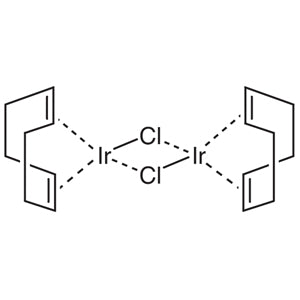
- TCI C1807 12112-67-3 Chloro(1,5-cyclooctadiene)iridium(I) Dimer
- TCI T2557 15635-87-7 Tris(2,4-pentanedionato)iridium(III)
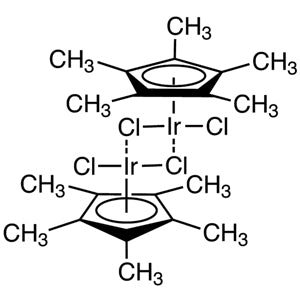
- TCI P1763 12354-84-6 (Pentamethylcyclopentadienyl)iridium(III) Dichloride Dimer
- Directed hydrogen isotope exchange: after activation, the cationic iridium centre interacts with C-H bonds, so the complex can selectively deuterate or tritiate ortho positions guided by functional groups.
- Precatalyst for C-H bond activation: removing the COD ligand with hydrogen gas creates an electron-poor, coordinatively unsaturated iridium species that is well suited to activating C-H bonds.
- Isomerization of allyl ethers to enol ethers: complexes of this kind are known to drive this transformation under mild conditions, which helps protect sensitive substrates during synthesis.
- Homogeneous catalysis research: as a member of the cationic iridium-phosphine catalyst family, it gives research groups a well-defined starting point for studying reactivity and mechanisms.
- Organometallic chemistry studies: the combination of COD, phosphine ligands, and a weakly coordinating PF6 anion makes it a useful model for examining how ligands balance stability against reactivity.
| Brand | TCI (product code C1808) |
|---|---|
| CAS number | 38465-86-0 |
| Molecular formula | — |
| Purity | — |
| Category | Chemistry > Catalysis and Inorganic Chemistry > C-H Activation [Catalysis] |
| Pack sizes | Available pack sizes are listed on the product page |
| Physical form | — |
| Storage | Follow the storage conditions on the TCI label and Safety Data Sheet |
- Composition: Cationic iridium(I) complex with one 1,5-cyclooctadiene ligand, two methyldiphenylphosphine ligands, and a hexafluorophosphate counter-anion
Store this iridium complex in its original, tightly closed manufacturer's container and follow the storage conditions on the TCI label and Safety Data Sheet. Organometallic precatalysts are generally kept in a cool, dry place away from light, moisture, and oxidizing agents. Many laboratories also store them under an inert atmosphere such as nitrogen or argon to protect catalytic activity. Weigh and transfer the material in a fume hood or glovebox using clean, dry tools. Wear suitable gloves, safety glasses, and a laboratory coat, and avoid inhaling dust or letting it touch your skin. Take extra care during activation with hydrogen gas, using properly rated equipment and ventilation. Dispose of residues and contaminated materials as heavy-metal chemical waste according to local regulations.
—
Produk Terkait
-
(Acetylacetonato)(1,5-cyclooctadiene)iridium(I) TCI A2981
Regular price From Rp 1.988.700,00Regular priceRp 1.405.950,00Sale price From Rp 1.988.700,00 -
(4,4'-Di-tert-butyl-2,2'-bipyridine)bis[3,5-difluoro-2-[5-trifluoromethyl-2-pyridinyl-kappaN)phenyl-kappaC]iridium(III)Hexafluorophosphate TCI D5817
Regular price From Rp 3.763.200,00Regular priceRp 2.647.050,00Sale price From Rp 3.763.200,00 -
(1,5-Cyclooctadiene)(pyridine)(tricyclohexylphosphine)iridium(I)Hexafluorophosphate TCI C2824
Regular price Rp 2.252.250,00Regular priceRp 1.590.750,00Sale price Rp 2.252.250,00 -
Chloro(1,5-cyclooctadiene)iridium(I)Dimer TCI C1807
Regular price From Rp 3.074.400,00Regular priceRp 2.165.100,00Sale price From Rp 3.074.400,00 -
Tris(2,4-pentanedionato)iridium(III) TCI T2557
Regular price Rp 10.652.250,00Regular priceRp 7.464.450,00Sale price Rp 10.652.250,00 -
(Pentamethylcyclopentadienyl)iridium(III)DichlorideDimer TCI P1763
Regular price Rp 8.108.100,00Regular priceRp 5.685.750,00Sale price Rp 8.108.100,00 -
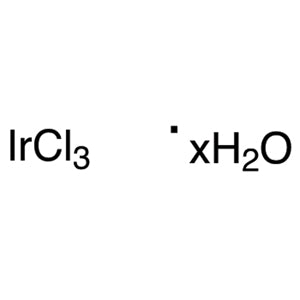
Iridium(III)ChlorideHydrate TCI I0616
Regular price From Rp 8.558.550,00Regular priceRp 6.000.750,00Sale price From Rp 8.558.550,00 -
Carbonylhydridotris(triphenylphosphine)iridium(I) TCI C3040
Regular price From Rp 2.464.350,00Regular priceRp 1.738.800,00Sale price From Rp 2.464.350,00


![TCI D5817 870987-63-6 (4,4'-Di-tert-butyl-2,2'-bipyridine)bis[3,5-difluoro-2-[5-trifluoromethyl-2-pyridinyl-kappaN)phenyl-kappaC]iridium(III) Hexafluorophosphate](http://amiscientific.com/cdn/shop/files/TCI2510D5817_d05615af-d157-48f0-933c-1a9117cbf00e.jpg?v=1792640168&width=533)
![(4,4'-Di-tert-butyl-2,2'-bipyridine)bis[3,5-difluoro-2-[5-trifluoromethyl-2-pyridinyl-kappaN)phenyl-kappaC]iridium(III) Hexafluorophosphate (CAS 870987-63-6) - TCI D5817 - AMI Scientific](http://amiscientific.com/cdn/shop/files/TCI2510D5817.jpg?v=1767109244&width=533)