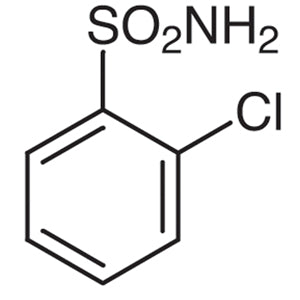
2-Chlorobenzenesulfonamide is a chemical compound widely used as a building block in the synthesis of complex organic compounds. This material plays a crucial role in various laboratory processes, particularly in organic chemistry research. Its molecular structure, consisting of a chloro group attached to a benzenesulfonamide framework, makes it highly versatile for participation in chemical reactions such as substitution, reduction, and nucleophilic reactions. Due to its reactivity and stability, it is a key component in the development of new chemical entities.
The compound is valued for its chemical stability and compatibility with a wide range of reaction conditions. It exhibits good solubility in organic solvents such as ethyl acetate and dimethyl sulfoxide, which simplifies its handling and application in experimental settings. These properties make it a preferred choice for chemists seeking reliable and efficient reagents for synthetic pathways. Its ability to participate in multiple reaction types enhances its utility in both academic and industrial research environments.
In Indonesian laboratories, 2-Chlorobenzenesulfonamide is extensively used in pure and applied chemical research. It is commonly found in research institutions and universities, where it supports the development of new compounds with potential applications in medicine, environmental science, and industrial chemistry. Its role in the synthesis of pharmaceuticals and pesticides is particularly significant, contributing to the advancement of scientific knowledge and practical applications in various fields.
Related TCI products
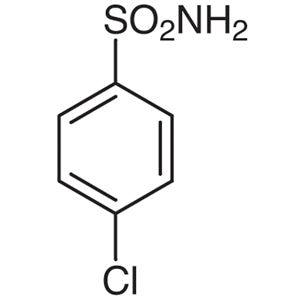
- TCI C1099 98-64-6 4-Chlorobenzenesulfonamide
- TCI T2035 51527-73-2 2,4,6-Trichlorobenzenesulfonyl Chloride
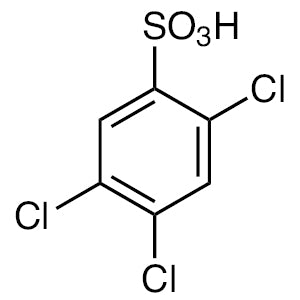
- TCI B0248 6378-25-2 2,4,5-Trichlorobenzenesulfonic Acid
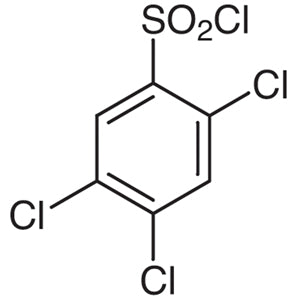
- TCI B0247 15945-07-0 2,4,5-Trichlorobenzenesulfonyl Chloride
- TCI T0628 62625-17-6 Potassium 2,4,5-Trichlorobenzenesulfonate
- TCI D4222 6579-54-0 2,6-Dichlorobenzenesulfonyl Chloride
- Synthesis of pharmaceutical compounds due to its reactivity and structural versatility in organic reactions.
- Development of agrochemicals as a key intermediate in the production of pesticides and herbicides.
- Research in environmental chemistry for the creation of compounds used in pollution control and remediation.
- Organic synthesis in academic settings for teaching and experimental research purposes.
- Industrial chemical production where stable and reactive intermediates are required for large-scale manufacturing.
| Brand | TCI |
|---|---|
| CAS number | 6961-82-6 |
| Molecular formula | — |
| Purity | — |
| Category | Chemistry > Building Blocks > Non-Heterocyclic Building Blocks |
| Pack sizes | Available in various quantities as per standard laboratory supply |
| Physical form | Solid |
| Storage | Store in a cool, dry place away from direct sunlight and moisture |
This compound should be stored in a cool, dry environment, away from direct sunlight and moisture to maintain its chemical stability. It is recommended to use airtight containers made of glass or polyethylene to prevent contamination and degradation. Due to its reactivity, it should be handled with appropriate personal protective equipment, including gloves and safety goggles. Avoid exposure to incompatible substances such as strong oxidizing agents. Ensure proper ventilation in the laboratory workspace to minimize inhalation risks. Always follow standard laboratory safety protocols when working with chemical reagents to ensure a safe and controlled environment.
—
Produk Terkait
-
4-Chlorobenzenesulfonamide TCI C1099
Regular price From Rp 637.350,00Regular price -
2,4,6-TrichlorobenzenesulfonylChloride TCI T2035
Regular price From Rp 2.016.000,00Regular price -
2,4,5-TrichlorobenzenesulfonicAcid TCI B0248
Regular price From Rp 2.147.250,00Regular price -
2,4,5-TrichlorobenzenesulfonylChloride TCI B0247
Regular price From Rp 2.439.150,00Regular price -
Potassium2,4,5-Trichlorobenzenesulfonate TCI T0628
Regular price Rp 2.359.350,00Regular price -
2,6-DichlorobenzenesulfonylChloride TCI D4222
Regular price From Rp 505.050,00Regular price -
2,4-DichlorobenzenesulfonylChloride TCI D4037
Regular price From Rp 1.035.300,00Regular price -
2,3-DichlorobenzenesulfonylChloride TCI D3568
Regular price Rp 1.298.850,00Regular price