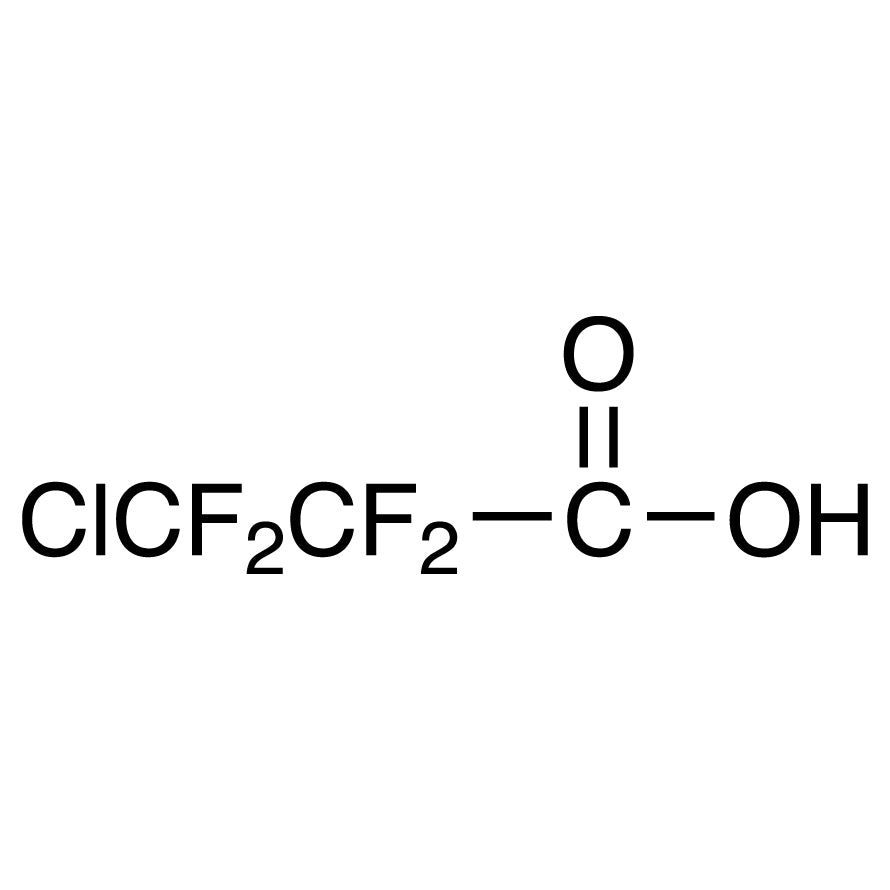
3-Chloro-2,2,3,3-tetrafluoropropionic Acid is a fluorinated building block widely used in chemical synthesis for the development of complex organic compounds. This compound is a key reagent in the field of fluorinated chemistry, playing a crucial role in the creation of molecules with unique structural and functional properties. Its presence in Indonesian laboratories underscores its importance in both academic and industrial research settings. As a versatile starting material, it supports a wide range of chemical transformations, making it an essential component in the toolkit of chemists and researchers.
The compound’s unique combination of chlorine and fluorine atoms provides it with high reactivity and specific stability characteristics. These properties make it particularly suitable for substitution reactions and other synthetic processes where controlled chemical behavior is required. Its ability to participate in various functional group interactions enhances its utility in the synthesis of pharmaceuticals, advanced materials, and specialty chemicals. This reactivity, combined with its structural versatility, positions it as a preferred choice for chemists working on complex molecular designs.
In Indonesian laboratories, 3-Chloro-2,2,3,3-tetrafluoropropionic Acid is commonly used in scientific research and product development. It is frequently employed in experiments that require fluorinated building blocks, supporting studies in pharmacology, material science, and organic chemistry. Its availability in the local market ensures that researchers and students have access to this essential reagent for their experimental needs.
TCI brochures (PDF)
- Fluorination Reagents, Fluorinated Building Blocks 2026-03-18 · p. 51
Related TCI products
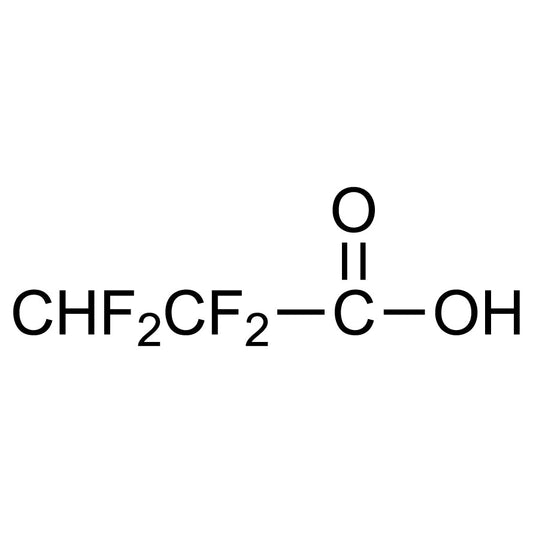
- TCI T1777 756-09-2 2,2,3,3-Tetrafluoropropionic Acid
- TCI T1713 2516-99-6 3,3,3-Trifluoropropionic Acid
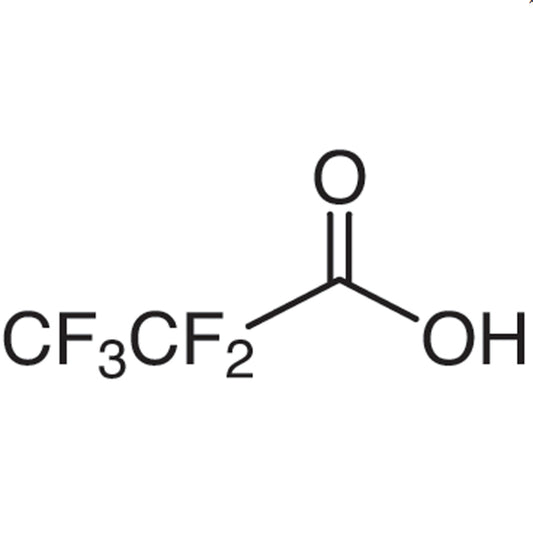
- TCI P1125 422-64-0 Pentafluoropropionic Acid
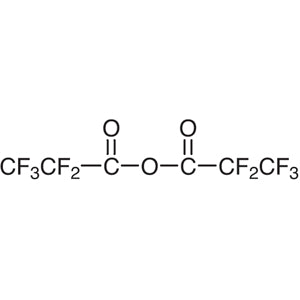
- TCI P0566 356-42-3 Pentafluoropropionic Anhydride
- TCI M1902 127589-63-3 Methyl 3-Chloro-2,2,3,3-tetrafluoropropionate
- TCI E0663 349-43-9 Ethyl 2-Fluoropropionate
- Fluorinated Compound Synthesis: This compound is ideal for creating complex fluorinated structures due to its reactivity and compatibility with various functional groups.
- Pharmaceutical Research: Its unique molecular structure makes it a valuable tool in the development of new drugs and therapeutic agents.
- Material Science Development: Used in the synthesis of advanced materials with specific physical and chemical properties.
- Organic Chemistry Experiments: Widely utilized in academic settings for teaching and research in synthetic organic chemistry.
- Industrial Chemical Production: Applied in the manufacturing of specialty chemicals requiring fluorinated components.
| Brand | TCI |
|---|---|
| CAS number | 661-82-5 |
| Molecular formula | — |
| Purity | — |
| Category | Chemistry > Building Blocks > Fluorinated Building Blocks |
| Pack sizes | Available in various quantities as per supplier specifications |
| Physical form | Solid or liquid, depending on the specific product variant |
| Storage | Store in a cool, dry place away from light and moisture |
This compound should be stored in a cool, dry environment, away from direct light and moisture to maintain its chemical integrity. It is recommended to use airtight containers made of materials that are chemically inert to prevent any unwanted reactions. Due to its reactivity, it should be handled with appropriate personal protective equipment, including gloves and safety goggles, to ensure laboratory safety. Proper ventilation is essential when working with this compound to minimize exposure. It is important to keep it away from incompatible substances to avoid potential hazards. Regular inspection of storage conditions ensures the compound remains stable and suitable for use in research applications.
—
Produk Terkait
-
2,2,3,3-TetrafluoropropionicAcid TCI T1777
Regular price Rp 3.472.350,00Regular price -
3,3,3-TrifluoropropionicAcid TCI T1713
Regular price From Rp 1.115.100,00Regular price -
PentafluoropropionicAcid TCI P1125
Regular price From Rp 2.094.750,00Regular price -
PentafluoropropionicAnhydride TCI P0566
Regular price From Rp 1.008.000,00Regular price -
Methyl3-Chloro-2,2,3,3-tetrafluoropropionate TCI M1902
Regular price From Rp 1.510.950,00Regular price -
Ethyl2-Fluoropropionate TCI E0663
Regular price From Rp 1.510.950,00Regular price -
2,2-DifluoropropionicAcid TCI D5531
Regular price Rp 1.749.300,00Regular price -
MethylPentafluoropropionate TCI P1352
Regular price From Rp 1.008.000,00Regular price