2-Chlorobenzenesulfonyl Chloride is a chemical compound widely used as a building block in the synthesis of complex organic compounds. It plays a crucial role in various chemical reactions, including substitution reactions, sulfonation reactions, and the formation of covalent bonds. In the laboratory, this reagent is essential for the development of compounds with intricate structures, making it a valuable tool in pharmaceutical, material science, and organic chemistry research. Its versatility allows it to be employed in multiple synthetic pathways, contributing to the advancement of scientific studies.
The compound is known for its stability under specific conditions and its ability to participate in a wide range of chemical reactions. Its molecular structure provides high reactivity, making it ideal for reactions requiring electrophilic reagents. This reactivity, combined with its chemical stability, makes it a preferred choice for researchers seeking reliable and effective reagents. The compound’s properties ensure consistent performance in laboratory settings, supporting accurate and reproducible results.
In Indonesian laboratories, 2-Chlorobenzenesulfonyl Chloride is extensively used by researchers and educational institutions for research and development purposes. It is a key component in the synthesis of various compounds and is commonly found in both academic and industrial research environments. Its availability and reliability make it a staple in the chemical supply chain, supporting a wide range of scientific investigations.
Related TCI products
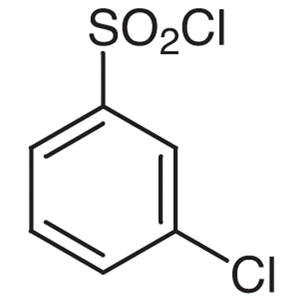
- TCI C1791 2888-06-4 3-Chlorobenzenesulfonyl Chloride
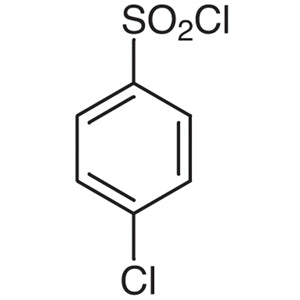
- TCI C0128 98-60-2 4-Chlorobenzenesulfonyl Chloride
- TCI T2035 51527-73-2 2,4,6-Trichlorobenzenesulfonyl Chloride
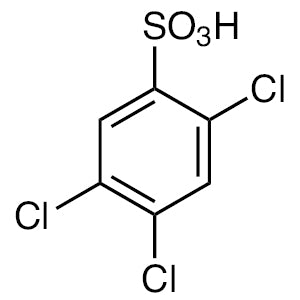
- TCI B0248 6378-25-2 2,4,5-Trichlorobenzenesulfonic Acid
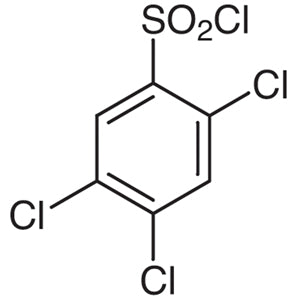
- TCI B0247 15945-07-0 2,4,5-Trichlorobenzenesulfonyl Chloride
- TCI T0628 62625-17-6 Potassium 2,4,5-Trichlorobenzenesulfonate
- Organic synthesis: This compound is widely used in the preparation of complex organic molecules due to its reactivity and versatility in various synthetic pathways.
- Pharmaceutical research: It serves as an important intermediate in the development of new drugs and therapeutic agents, contributing to the synthesis of bioactive compounds.
- Material science: The compound is utilized in the creation of advanced materials, including polymers and functional coatings, due to its chemical reactivity.
- Analytical chemistry: It is used as a reagent in analytical procedures to facilitate the detection and quantification of specific compounds in complex mixtures.
- Teaching laboratories: It is commonly used in educational settings to demonstrate key chemical reactions and provide hands-on experience for students.
| Brand | TCI |
|---|---|
| CAS number | 2905-23-9 |
| Molecular formula | — |
| Purity | — |
| Category | Chemistry > Building Blocks > Non-Heterocyclic Building Blocks |
| Pack sizes | Available in various quantities as per standard laboratory supply formats |
| Physical form | Solid or liquid, depending on the specific product variant |
| Storage | Store in a cool, dry place away from moisture and direct sunlight |
This compound should be stored in a cool, dry environment to maintain its chemical stability. It is recommended to use airtight containers to prevent exposure to moisture and air, which may affect its reactivity. Proper ventilation is essential when handling this material to minimize inhalation risks. Laboratory personnel should wear appropriate personal protective equipment, including gloves and safety goggles, to ensure safe handling. The compound should be kept away from incompatible substances such as strong bases and reducing agents. Regular monitoring of storage conditions is advised to ensure the integrity and effectiveness of the material in research applications.
—
Produk Terkait
-
3-ChlorobenzenesulfonylChloride TCI C1791
Regular price From Rp 664.650,00Regular price -
4-ChlorobenzenesulfonylChloride TCI C0128
Regular price From Rp 823.200,00Regular price -
2,4,6-TrichlorobenzenesulfonylChloride TCI T2035
Regular price From Rp 2.016.000,00Regular price -
2,4,5-TrichlorobenzenesulfonicAcid TCI B0248
Regular price From Rp 2.147.250,00Regular price -
2,4,5-TrichlorobenzenesulfonylChloride TCI B0247
Regular price From Rp 2.439.150,00Regular price -
Potassium2,4,5-Trichlorobenzenesulfonate TCI T0628
Regular price Rp 2.359.350,00Regular price -
2,6-DichlorobenzenesulfonylChloride TCI D4222
Regular price From Rp 505.050,00Regular price -
2,4-DichlorobenzenesulfonylChloride TCI D4037
Regular price From Rp 1.035.300,00Regular price