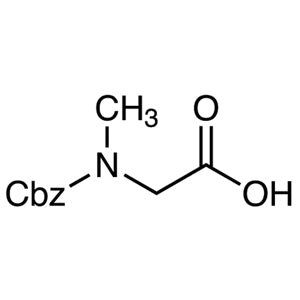
N-Carbobenzoxy-N-methylglycine is a chemical compound widely used in laboratory experiments involving chemical and biochemical research. It is particularly valuable in peptide chemistry and protein modification studies due to its ability to form stable bonds with specific molecules. This compound plays a crucial role in the synthesis of peptides and the chemical modification of proteins, making it an essential tool for researchers working in biotechnology and pharmaceutical development. Its versatility allows it to be applied in various experimental setups where controlled chemical reactions are required.
The compound's stability and reactivity make it a preferred choice in many laboratory applications. Its complex chemical structure and high reactivity enable precise chemical reactions, which are critical in advanced biochemical research. Additionally, its solubility in certain organic solvents facilitates separation and purification processes, enhancing its utility in experimental workflows. These properties ensure that it remains a reliable and effective reagent for a wide range of scientific investigations.
In Indonesian laboratories, N-Carbobenzoxy-N-methylglycine is commonly used in biochemical and pharmacological research. It is a key component in studies involving peptide synthesis, protein modification, and organic compound synthesis. Many research institutions and universities in Indonesia rely on this compound for experiments that require precise chemical reactions and controlled molecular interactions. Its consistent performance and reliability make it a staple in both academic and industrial research settings.
- Peptide Synthesis: This compound is ideal for peptide synthesis due to its ability to form stable bonds with amino acid residues, enabling the creation of complex peptide structures.
- Protein Modification: It is widely used in protein modification studies because of its reactivity with amino groups, allowing for site-specific chemical modifications.
- Organic Compound Synthesis: Its high reactivity makes it suitable for organic synthesis reactions, particularly those requiring controlled chemical transformations.
- Biochemical Research: It supports biochemical experiments by facilitating the study of molecular interactions and reaction mechanisms in controlled environments.
- Pharmacological Studies: It is frequently used in pharmacological research to investigate the effects of chemical modifications on biological activity and drug development.
| Brand | TCI |
|---|---|
| CAS number | 39608-31-6 |
| Molecular formula | — |
| Purity | — |
| Category | Chemistry > Chemical Biology > Peptide Chemistry |
| Pack sizes | Available in various quantities as per supplier specifications |
| Physical form | Solid or powder, depending on the specific product variant |
| Storage | Store in a cool, dry place away from moisture and direct sunlight |
This compound should be stored in a cool, dry environment to maintain its chemical integrity. It is recommended to use airtight containers to prevent exposure to moisture and air, which can affect its stability. Due to its reactivity, it should be handled with care, using appropriate personal protective equipment such as gloves and safety goggles. It is important to keep it away from incompatible substances to avoid unwanted chemical reactions. Proper labeling and storage conditions ensure the compound remains effective for its intended laboratory applications. Always follow standard laboratory safety protocols when working with this material.
—
Produk Terkait
-
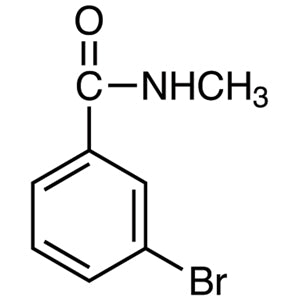
3-Bromo-N-methylbenzamide TCI B5644
Regular price From Rp 1.431.150,00Regular price -
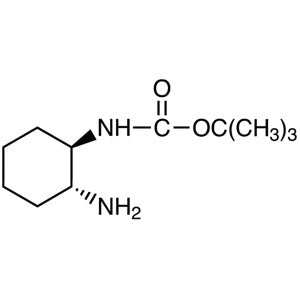
(1R,2R)-N1-(tert-Butoxycarbonyl)-1,2-cyclohexanediamine TCI B5647
Regular price Rp 3.367.350,00Regular price -
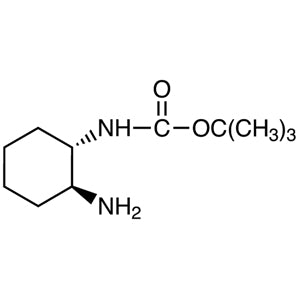
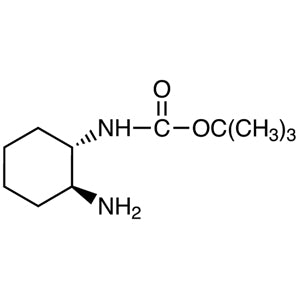
(1S,2S)-N1-(tert-Butoxycarbonyl)-1,2-cyclohexanediamine TCI B5648
Regular price From Rp 2.809.800,00Regular price -
N-Benzyl-2,2,2-trifluoroacetamide TCI B5705
Regular price From Rp 1.326.150,00Regular price -
SB-366791 TCI B5762
Regular price From Rp 5.485.200,00Regular price -
N-Carbobenzoxypropargylamine TCI B5958
Regular price Rp 4.849.950,00Regular price -
tert-Butyl(3-Oxo-3-phenylpropyl)carbamate TCI B5981
Regular price Rp 4.584.300,00Regular price -
SB297006 TCI B6053
Regular price From Rp 3.710.700,00Regular price