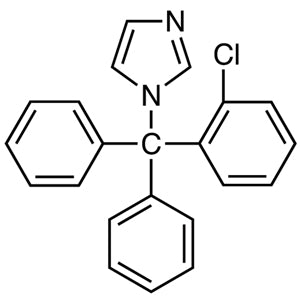
Clotrimazole is an antifungal compound widely used in laboratory experiments related to microbiology and pharmacology. It functions as a growth inhibitor for fungi, particularly effective against species such as *Candida* and *Trichophyton*. In the laboratory setting, Clotrimazole plays a crucial role in testing the efficacy of antibiotics, developing antifungal drugs, and studying the mechanisms of action of antifungal compounds. Its versatility makes it an essential tool for researchers working on fungal-related studies and drug development.
One of the key properties that make Clotrimazole a preferred choice is its chemical stability and solubility in organic solvents like ethyl acetate. This solubility allows it to be easily incorporated into various chemical reactions and biochemical experiments. Additionally, Clotrimazole exhibits good solubility in laboratory environments, making it convenient for both usage and storage. These characteristics ensure that it remains a reliable and consistent reagent for scientific applications.
In Indonesian laboratories, Clotrimazole is extensively used by research institutions and universities. It is a popular choice due to its availability and guaranteed quality. Researchers in Indonesia frequently utilize Clotrimazole for experiments focused on fungal infection control and pharmaceutical product development. Its application is broad and well-established in the scientific community, supporting both academic and industrial research efforts.
- Fungal Inhibition Testing - Clotrimazole is ideal for assessing the effectiveness of antifungal agents against various fungal strains.
- Antifungal Drug Development - It serves as a key component in the formulation and testing of new antifungal compounds.
- Microbial Growth Inhibition Studies - Its ability to inhibit fungal growth makes it suitable for studying microbial behavior and interactions.
- Pharmacological Research - Clotrimazole is used to investigate the mechanisms of antifungal action and drug interactions.
- Biochemical Reactions - Its solubility in organic solvents allows it to be used in a wide range of biochemical experiments and assays.
| Brand | TCI |
|---|---|
| CAS number | 23593-75-1 |
| Molecular formula | — |
| Purity | — |
| Category | Life Science > Biochemicals and Reagents > Antibiotics |
| Pack sizes | Available in standard laboratory quantities |
| Physical form | Solid powder |
| Storage | Store in a cool, dry place away from direct sunlight |
Clotrimazole should be stored in a cool, dry place, away from direct sunlight and moisture. It is recommended to use airtight containers to prevent exposure to humidity and contaminants. Due to its chemical stability, it does not require refrigeration but should be kept in a secure location to avoid accidental spills or contamination. In a laboratory setting, it is important to handle Clotrimazole with care, using appropriate personal protective equipment when necessary. Proper labeling of containers ensures safe handling and reduces the risk of misuse. Always ensure that the substance is stored in a well-ventilated area to maintain a safe working environment.
—
Produk Terkait
-
1-Butyl-3-methylimidazoliumTrifluoroacetate TCI B5526
Regular price From Rp 1.829.100,00Regular price -
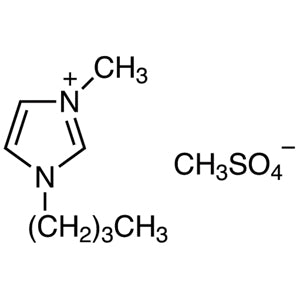
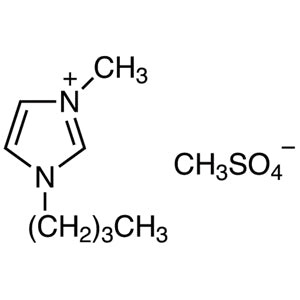
1-Butyl-3-methylimidazoliumMethylSulfate TCI B5527
Regular price From Rp 1.485.750,00Regular price -
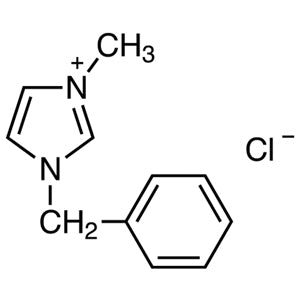
1-Benzyl-3-methylimidazoliumChloride TCI B5543
Regular price Rp 823.200,00Regular price -
1-Butyl-3-methylimidazoliumHydrogenSulfate TCI B5569
Regular price From Rp 823.200,00Regular price -
1-Butyl-3-methylimidazoliumAcetate TCI B5582
Regular price From Rp 875.700,00Regular price -
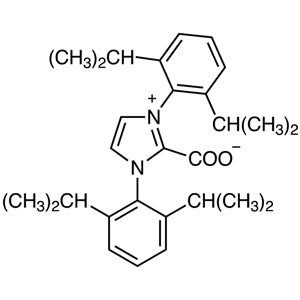
1,3-Bis(2,6-diisopropylphenyl)imidazolium-2-carboxylate TCI B5603
Regular price Rp 2.625.000,00Regular price -
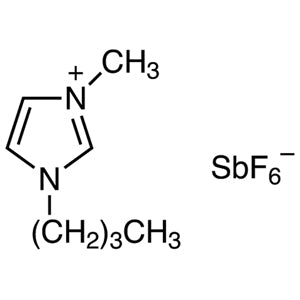
1-Butyl-3-methylimidazoliumHexafluoroantimonate TCI B5724
Regular price From Rp 1.749.300,00Regular price -
1-Benzyl-3-methylimidazoliumTetrafluoroborate TCI B5725
Regular price Rp 717.150,00Regular price