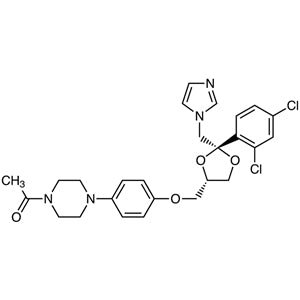
Ketoconazole is a widely used chemical compound in life sciences and pharmacology research. As an antifungal antibiotic, it plays a crucial role in laboratory settings by inhibiting the synthesis of ergosterol, a key component of fungal cell membranes. This property makes it an essential reagent for studying fungal growth and behavior. Its versatility allows it to be applied in various biochemical and microbiological experiments, supporting the identification and isolation of microorganisms, particularly fungi, in controlled environments.
Ketoconazole is chemically stable and exhibits good solubility in organic solvents such as ethyl acetate and acetone, which enhances its usability in a range of experimental protocols. Its solid form facilitates easy handling and storage, making it a preferred choice for researchers. Additionally, its non-toxic and relatively safe nature under proper usage conditions ensures its reliability in laboratory applications. The compound’s reactivity also makes it suitable for diverse chemical and biochemical analyses.
In Indonesian laboratories, ketoconazole is commonly used in public health-related research, including studies on fungal infections and the development of antifungal drugs. Its presence in research settings supports both academic and applied scientific investigations, contributing to advancements in microbiology and pharmacology. The compound’s consistent performance and availability make it a valuable resource for scientists and researchers in Indonesia.
- Fungal Inhibition Studies – Ketoconazole is ideal for testing antifungal efficacy against various fungal strains in microbiological research.
- Biochemical Reactions – Its solubility in organic solvents makes it suitable for use in biochemical assays and reaction mixtures.
- Microbial Isolation – It aids in the selective inhibition of fungal growth, supporting the isolation of target microorganisms.
- Drug Development Research – Its role in studying antifungal mechanisms makes it valuable in pharmaceutical research and development.
- Environmental Microbiology – It is used to analyze microbial communities in soil and water samples by controlling fungal contamination.
| Brand | TCI |
|---|---|
| CAS number | 65277-42-1 |
| Molecular formula | — |
| Purity | — |
| Category | Life Science > Biochemicals and Reagents > Antibiotics |
| Pack sizes | Available in various quantities as per supplier specifications |
| Physical form | Solid |
| Storage | Store in a cool, dry place away from moisture and direct sunlight |
Ketoconazole should be stored in a cool, dry environment to maintain its chemical stability and prevent degradation. It is recommended to keep the compound in airtight containers to minimize exposure to moisture and air, which could affect its integrity. Proper labeling of storage containers is essential for safe handling and easy identification. In laboratory settings, it is important to use appropriate personal protective equipment, such as gloves and safety goggles, when handling the compound. Regular monitoring of storage conditions ensures that the material remains in optimal condition for use in research applications.
—
Produk Terkait
-
TCI B5774 5,10-Bis(4,4,5,5-tetramethyl-1,3,2-dioxaborolan-2-yl)naphtho[1,2-c:5,6-c']bis([1,2,5]oxadiazole)
Regular price Rp 10.255.350,00Regular price -
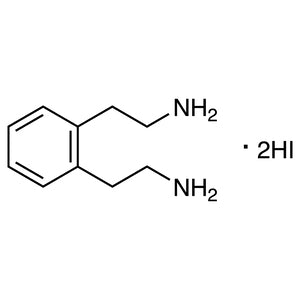
Dihydroiodide TCI B6569
Regular price From Rp 1.936.200,00Regular price -
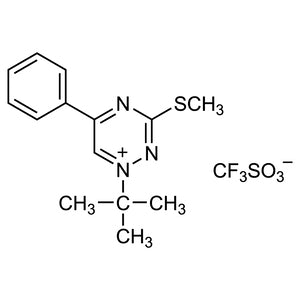
Trifluoromethanesulfonate TCI B7003
Regular price From Rp 1.936.200,00Regular price
![5,10-Bis(4,4,5,5-tetramethyl-1,3,2-dioxaborolan-2-yl)naphtho[1,2-c:5,6-c']bis([1,2,5]oxadiazole) - TCI B5774 - AMI Scientific](http://amiscientific.com/cdn/shop/files/TCI2510B5774.jpg?v=1769180228&width=533)