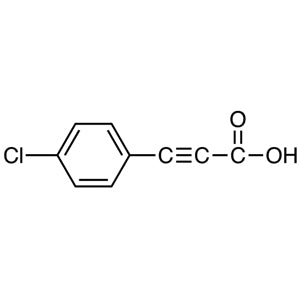
3-(4-Chlorophenyl)propionic acid (TCI C3314) is a chemical compound widely used as a building block in the synthesis of complex molecules. It plays a crucial role in organic chemistry laboratories, where it serves as a foundational material for constructing molecular structures. This compound is commonly employed in reactions involving carbon-carbon bond formation or substitution reactions, making it an essential component for researchers and students alike. Its versatility and stability make it a valuable resource in various chemical processes.
The compound's unique structure, featuring a chlorinated phenyl group, contributes to its high reactivity and functional versatility. This characteristic allows it to participate in both substitution and electrophilic reactions, making it a preferred choice for synthetic chemists. The presence of the chlorine atom introduces specific reactivity patterns that are beneficial in designing targeted chemical transformations. Its stability under controlled conditions further enhances its reliability in laboratory settings.
In Indonesian laboratories, 3-(4-Chlorophenyl)propionic acid is utilized by researchers and students to meet the demands of experiments requiring specific chemical building blocks. Its availability in the local market supports both academic and industrial research efforts. The compound's role in organic synthesis and pharmacological studies makes it a popular choice for those engaged in chemical research and development.
Related TCI products
- Organic synthesis of complex molecules due to its reactivity and structural versatility.
- Pharmaceutical research for developing new drug compounds through targeted chemical modifications.
- Educational purposes in teaching organic chemistry and synthetic methods to students.
- Reactions involving carbon-carbon bond formation and substitution mechanisms.
- Development of functionalized compounds for further chemical transformations and applications.
| Brand | TCI |
|---|---|
| CAS number | 3240-10-6 |
| Molecular formula | — |
| Purity | — |
| Category | Chemistry > Building Blocks > Non-Heterocyclic Building Blocks |
| Pack sizes | Available in various quantities as per supplier specifications |
| Physical form | Solid, crystalline appearance |
| Storage | Store in a cool, dry place away from light and moisture |
This compound should be stored in a cool, dry environment, away from direct sunlight and moisture. It is recommended to use airtight containers to prevent exposure to air and humidity, which may affect its stability. Proper labeling of containers is essential to ensure safe handling and prevent accidental use. In laboratory settings, it should be handled with appropriate personal protective equipment, such as gloves and safety goggles. Due to its reactivity, it should be stored separately from incompatible substances to avoid potential chemical interactions. Regular inspection of storage conditions is advised to maintain the compound's integrity and ensure safe usage in research applications.
—
Produk Terkait
-
3-(4-Bromophenyl)propiolicAcid TCI B5243
Regular price Rp 3.155.250,00Regular price -
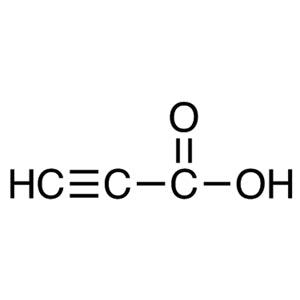
PropiolicAcid TCI P0497
Regular price From Rp 1.458.450,00Regular price -
3-(p-Tolyl)propiolicAcid TCI M3542
Regular price Rp 8.560.650,00Regular price -
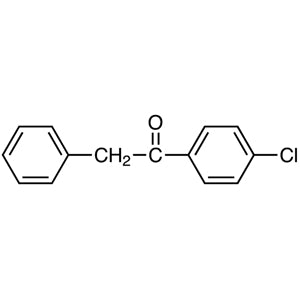
Benzyl4-ChlorophenylKetone TCI B4704
Regular price From Rp 848.400,00Regular price -
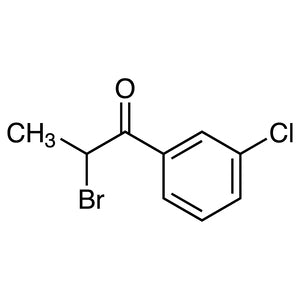
2-Bromo-1-(3-chlorophenyl)propan-1-one TCI B2932
Regular price From Rp 1.881.600,00Regular price -
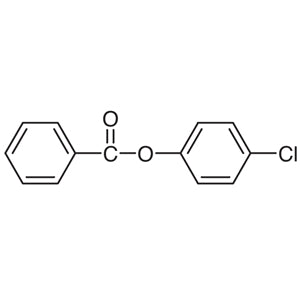
4-ChlorophenylBenzoate TCI B0063
Regular price Rp 2.174.550,00Regular price -
4-ChlorophenylAcetate TCI A3593
Regular price From Rp 3.949.050,00Regular price -
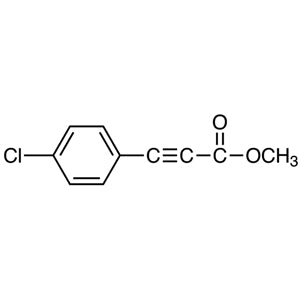
Methyl3-(4-Chlorophenyl)propiolate TCI M2894
Regular price Rp 4.479.300,00Regular price