![Tetramethyl-1,3-cyclobutanedione [Precursor to Dimethyl Ketene] (CAS 933-52-8) - TCI D0258 - AMI Scientific](http://amiscientific.com/cdn/shop/files/TCI2510D0258.jpg?v=1767101066&width=1946)
![Tetramethyl-1,3-cyclobutanedione [Precursor to Dimethyl Ketene] (CAS 933-52-8) - TCI D0258 - AMI Scientific](http://amiscientific.com/cdn/shop/files/TCI2510D0258.jpg?v=1767101066&width=1445)
Tetramethyl-1,3-cyclobutanedione is a chemical compound widely used in organic synthesis as a building block for creating complex organic molecules. This compound features a cyclic structure with two carbonyl groups positioned at the 1 and 3 positions, making it a versatile intermediate in various chemical reactions. In laboratory settings, it serves as a precursor to dimethyl ketene, a reactive compound essential in multiple synthetic pathways. Its unique structural properties make it a valuable resource for chemists working on the development of new compounds and materials.
The compound is known for its high reactivity, particularly in oxygen-rich environments, which makes it an important tool in organic chemistry research. Despite its reactivity, it maintains chemical stability under controlled conditions, allowing for efficient use in synthetic processes. Its high density and tendency to degrade if not stored properly require careful handling. These characteristics make it a preferred choice for laboratories seeking a reliable and efficient starting material for complex chemical transformations.
In Indonesian laboratories, Tetramethyl-1,3-cyclobutanedione is commonly used in organic chemistry research, especially in academic institutions and research centers. Its role as a precursor to dimethyl ketene makes it essential for studies involving cyclic and heterocyclic compound synthesis. The compound's availability and chemical properties support its widespread application in both teaching and research environments, contributing to the advancement of chemical sciences in Indonesia.
Related TCI products
- TCI B4754 4023-81-8 1-(4-Bromophenyl)-1,3-butanedione
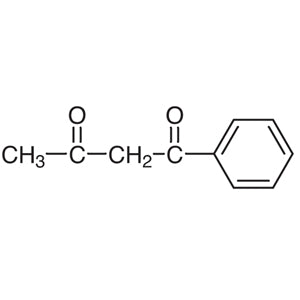
- TCI P0160 93-91-4 1-Phenyl-1,3-butanedione
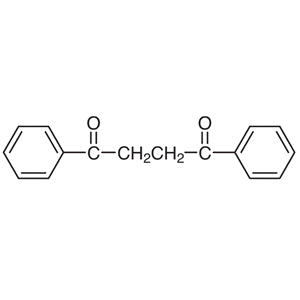
- TCI D3179 495-71-6 1,4-Diphenyl-1,4-butanedione
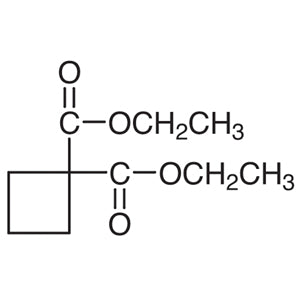
- TCI C0942 3779-29-1 Diethyl 1,1-Cyclobutanedicarboxylate
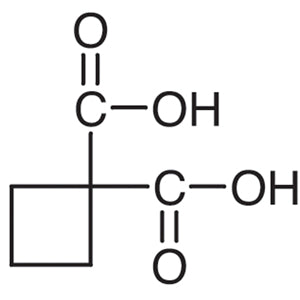
- TCI C0769 5445-51-2 1,1-Cyclobutanedicarboxylic Acid
- TCI D0443 77-73-6 Dicyclopentadiene (stabilized with BHT) [precursor to Cyclopentadiene]
- Organic synthesis applications benefit from its cyclic structure and reactivity, enabling the creation of complex organic molecules with high efficiency.
- It is ideal for the synthesis of dimethyl ketene, which is a key intermediate in various chemical reactions requiring high reactivity.
- The compound supports research into cyclic and heterocyclic compound development, making it a valuable tool for advanced chemical studies.
- It is frequently used in academic research settings to provide students and researchers with a reliable starting material for synthetic experiments.
- Its stability under controlled conditions makes it suitable for use in both teaching and industrial laboratory environments.
| Brand | TCI |
|---|---|
| CAS number | 933-52-8 |
| Molecular formula | — |
| Purity | — |
| Category | Chemistry > Building Blocks > Non-Heterocyclic Building Blocks |
| Pack sizes | Available in various quantities as per standard laboratory supply |
| Physical form | Liquid |
| Storage | Requires storage in a cool, dry place away from oxygen and light |
Tetramethyl-1,3-cyclobutanedione should be stored in a cool, dry environment to maintain its chemical stability. It is recommended to keep the compound in airtight containers to minimize exposure to oxygen, which can increase its reactivity. Due to its high reactivity, it should be handled with care, using appropriate personal protective equipment such as gloves and safety goggles. Storage in a well-ventilated area is essential to prevent the accumulation of volatile compounds. Regular monitoring of storage conditions ensures the compound remains suitable for use in laboratory applications. Proper handling and storage practices are crucial to maintaining the integrity and effectiveness of this valuable chemical building block.
—
Produk Terkait
-
1-(4-Bromophenyl)-1,3-butanedione TCI B4754
Regular price From Rp 4.929.750,00Regular price -
1-Phenyl-1,3-butanedione TCI P0160
Regular price From Rp 1.696.800,00Regular price -
1,4-Diphenyl-1,4-butanedione TCI D3179
Regular price Rp 3.021.900,00Regular price -
Diethyl1,1-Cyclobutanedicarboxylate TCI C0942
Regular price From Rp 584.850,00Regular price -
1,1-CyclobutanedicarboxylicAcid TCI C0769
Regular price From Rp 769.650,00Regular price -
Dicyclopentadiene(stabilizedwithBHT)[precursortoCyclopentadiene] TCI D0443
Regular price From Rp 477.750,00Regular price -
alpha,alpha,alpha',alpha'-Tetramethyl-1,3-benzenedipropionicAcid TCI T3420
Regular price Rp 3.472.350,00Regular price -
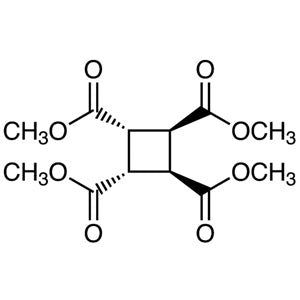
Tetramethylcis,trans,cis-1,2,3,4-Cyclobutanetetracarboxylate TCI T2769
Regular price Rp 4.479.300,00Regular price

![Dicyclopentadiene (stabilized with BHT) [precursor to Cyclopentadiene] (CAS 77-73-6) - TCI D0443 - AMI Scientific](http://amiscientific.com/cdn/shop/files/TCI2510D0443.jpg?v=1767101304&width=533)