1-(4-Bromophenyl)-1,3-butanedione is a chemical compound widely used as a building block in the synthesis of complex organic molecules. Its structural versatility makes it a valuable resource for chemists seeking to create new compounds with specific functional groups. This compound is commonly employed in various chemical reactions, particularly those involving substitution and electrophilic reactions. Its role in laboratory settings is critical for the development of new materials and pharmaceuticals, where precise molecular design is essential.
The compound’s high reactivity and stable molecular structure make it a preferred choice for synthetic chemists. The presence of active carbonyl groups allows it to readily react with a variety of reagents, including alcohols, amines, and alkali metals. This reactivity, combined with its chemical stability, ensures efficient and reliable outcomes in laboratory experiments. Its ability to participate in multiple reaction pathways enhances its utility in both academic and industrial research environments.
In Indonesian laboratories, 1-(4-Bromophenyl)-1,3-butanedione is frequently used in the synthesis of bioactive compounds. Research institutions and universities rely on this compound for experiments that require accuracy and consistency. Its application extends to drug development and material science, where the ability to modify molecular structures is crucial. The compound’s reliability and effectiveness make it a staple in the chemical laboratories of Indonesia.
TCI brochures (PDF)
- Ligands 2025-12-01 · p. 18
Related TCI products
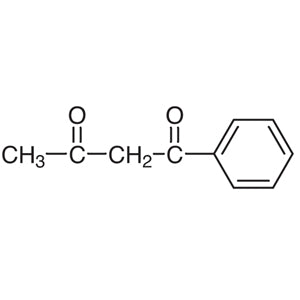
- TCI P0160 93-91-4 1-Phenyl-1,3-butanedione
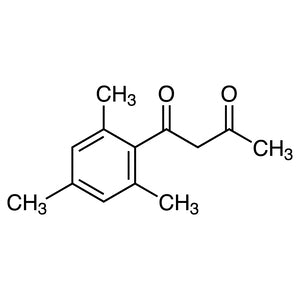
- TCI M1272 6450-57-3 1-(2-Mesitylene)-1,3-butanedione
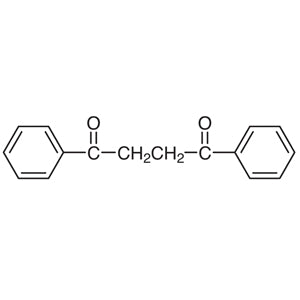
- TCI D3179 495-71-6 1,4-Diphenyl-1,4-butanedione
- TCI D0258 933-52-8 Tetramethyl-1,3-cyclobutanedione [Precursor to Dimethyl Ketene]
- TCI B1065 1189-08-8 1,3-Butanediol Dimethacrylate (stabilized with MEHQ)
- TCI B5243 25294-65-9 3-(4-Bromophenyl)propiolic Acid
- Synthesis of bioactive compounds for pharmaceutical research due to its reactivity and structural versatility.
- Electrophilic substitution reactions where active carbonyl groups enable efficient chemical transformations.
- Development of new materials through controlled molecular modifications and functional group manipulations.
- Organic synthesis projects requiring stable and reactive building blocks for complex molecule construction.
- Academic research in chemistry and pharmacology for exploring novel chemical pathways and compound structures.
| Brand | TCI |
|---|---|
| CAS number | 4023-81-8 |
| Molecular formula | — |
| Purity | — |
| Category | Chemistry > Building Blocks > Non-Heterocyclic Building Blocks |
| Pack sizes | Available in various quantities as per standard laboratory supply |
| Physical form | Solid |
| Storage | Store in a cool, dry place away from moisture and direct sunlight |
This compound should be stored in a cool, dry environment to maintain its chemical stability. It is recommended to keep it in a tightly sealed container to prevent exposure to moisture and air. Due to its reactivity, it should be handled with appropriate personal protective equipment, such as gloves and safety goggles. Storage away from incompatible substances is essential to avoid unwanted chemical interactions. Regular inspection of the container ensures the compound remains in optimal condition for use in laboratory experiments. Proper labeling and storage conditions help maintain the integrity and safety of the material in a laboratory setting.
—
Produk Terkait
-
1-Phenyl-1,3-butanedione TCI P0160
Regular price From Rp 1.696.800,00Regular priceRp 1.186.500,00Sale price From Rp 1.696.800,00 -
1-(2-Mesitylene)-1,3-butanedione TCI M1272
Regular price From Rp 4.479.300,00Regular priceRp 3.132.150,00Sale price From Rp 4.479.300,00 -
1,4-Diphenyl-1,4-butanedione TCI D3179
Regular price Rp 3.021.900,00Regular priceRp 2.112.600,00Sale price Rp 3.021.900,00 -
Tetramethyl-1,3-cyclobutanedione[PrecursortoDimethylKetene] TCI D0258
Regular price From Rp 662.550,00Regular priceRp 478.800,00Sale price From Rp 662.550,00 -
1,3-ButanediolDimethacrylate(stabilizedwithMEHQ) TCI B1065
Regular price From Rp 505.050,00Regular priceRp 352.800,00Sale price From Rp 505.050,00 -
3-(4-Bromophenyl)propiolicAcid TCI B5243
Regular price Rp 3.207.750,00Regular priceRp 2.258.550,00Sale price Rp 3.207.750,00 -
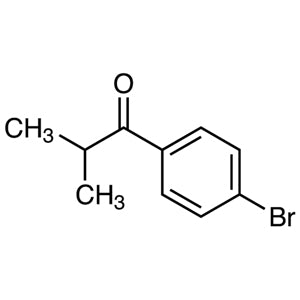
1-(4-Bromophenyl)-2-methyl-1-propanone TCI B5232
Regular price Rp 2.147.250,00Regular priceRp 1.517.250,00Sale price Rp 2.147.250,00 -
1,3-Bis(4-bromophenyl)-2-propanone TCI B4791
Regular price From Rp 2.013.900,00Regular priceRp 1.423.800,00Sale price From Rp 2.013.900,00