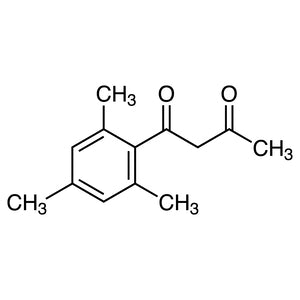
1-(2-Mesitylene)-1,3-butanedione is a chemical compound widely used as a building block in organic synthesis. It serves as a fundamental component in the development of complex molecules, enabling researchers to construct intricate structures through various chemical reactions. This compound is particularly valuable in laboratories where the synthesis of heterocyclic compounds or functionalized molecules is required. Its versatility makes it a key player in modern chemical research, especially in Indonesia, where it is extensively utilized in academic and industrial settings.
The compound’s molecular structure is stable and allows for efficient bonding with a range of functional groups, making it highly adaptable in synthetic pathways. Its chemical properties enable it to participate in reactions such as condensation and substitution, which are essential in creating new compounds with desired properties. These characteristics make it a preferred choice for chemists seeking reliable and consistent results in their experiments.
In Indonesian laboratories, 1-(2-Mesitylene)-1,3-butanedione is commonly used in the synthesis of pharmaceuticals, agrochemicals, and specialty chemicals. Its availability in various packaging options ensures that researchers can easily access the required quantities for their experiments. The compound’s widespread application in both academic and industrial research underscores its importance in the chemical sciences.
TCI brochures (PDF)
- Ligands 2025-12-01 · p. 18
Related TCI products
- TCI B4754 4023-81-8 1-(4-Bromophenyl)-1,3-butanedione
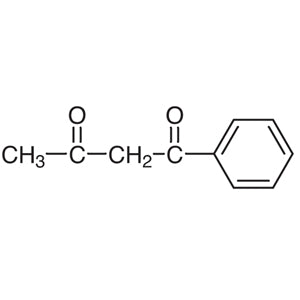
- TCI P0160 93-91-4 1-Phenyl-1,3-butanedione
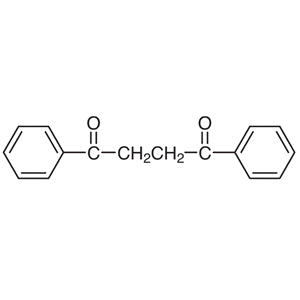
- TCI D3179 495-71-6 1,4-Diphenyl-1,4-butanedione
- TCI T3283 15191-68-1 4,4,4-Trifluoro-1-(4-methoxyphenyl)-1,3-butanedione
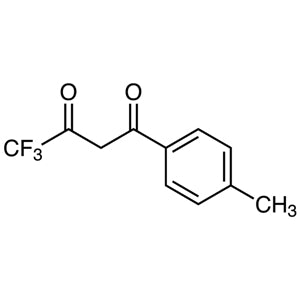
- TCI T2997 720-94-5 4,4,4-Trifluoro-1-(p-tolyl)-1,3-butanedione
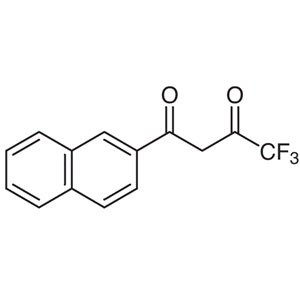
- TCI T1583 893-33-4 4,4,4-Trifluoro-1-(2-naphthyl)-1,3-butanedione
- Organic synthesis of heterocyclic compounds due to its ability to form stable intermediates and participate in condensation reactions.
- Development of pharmaceuticals and agrochemicals as a versatile building block for functional group modification.
- Creation of specialty chemicals in industrial settings where precise molecular structures are required.
- Research in catalytic processes where its reactivity and stability contribute to efficient reaction pathways.
- Educational use in academic institutions for teaching advanced organic chemistry techniques and synthetic strategies.
| Brand | TCI |
|---|---|
| CAS number | 6450-57-3 |
| Molecular formula | — |
| Purity | — |
| Category | Chemistry > Building Blocks > Non-Heterocyclic Building Blocks |
| Pack sizes | Available in various sizes to meet different experimental needs |
| Physical form | Solid (if available, otherwise unspecified) |
| Storage | Store in a cool, dry place away from light and moisture |
This compound should be stored in a cool, dry environment, away from direct sunlight and moisture to maintain its stability and purity. It is recommended to use airtight containers made of glass or high-density polyethylene to prevent contamination and degradation. In laboratory settings, it should be handled with appropriate personal protective equipment, including gloves and safety goggles, to ensure safety during use. Avoid exposure to heat or open flames, as it may react with certain substances. Proper labeling and storage conditions are essential to ensure the compound remains safe and effective for use in chemical synthesis and research applications.
—
Produk Terkait
-
1-(4-Bromophenyl)-1,3-butanedione TCI B4754
Regular price From Rp 4.929.750,00Regular price -
1-Phenyl-1,3-butanedione TCI P0160
Regular price From Rp 1.696.800,00Regular price -
1,4-Diphenyl-1,4-butanedione TCI D3179
Regular price Rp 3.021.900,00Regular price -
4,4,4-Trifluoro-1-(4-methoxyphenyl)-1,3-butanedione TCI T3283
Regular price From Rp 2.359.350,00Regular price -
4,4,4-Trifluoro-1-(p-tolyl)-1,3-butanedione TCI T2997
Regular price From Rp 769.650,00Regular price -
4,4,4-Trifluoro-1-(2-naphthyl)-1,3-butanedione TCI T1583
Regular price From Rp 1.060.500,00Regular price -
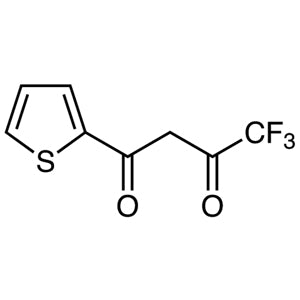
4,4,4-Trifluoro-1-(2-thienyl)-1,3-butanedione TCI T0438
Regular price From Rp 1.565.550,00Regular price -
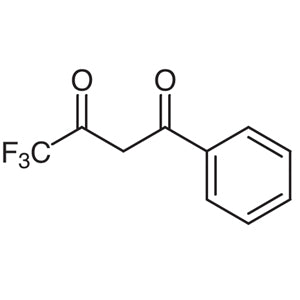
4,4,4-Trifluoro-1-phenyl-1,3-butanedione TCI T0437
Regular price Rp 2.650.200,00Regular price