1,3-Diethylbenzene is an organic compound widely used as a foundational material in various chemical reactions. It belongs to the class of non-heterocyclic building blocks and is commonly found in laboratory settings as a solvent or precursor for the synthesis of more complex organic compounds. Its aromatic structure, with two ethyl groups attached to carbon atoms at positions 1 and 3, makes it a versatile reagent in organic chemistry. This compound is particularly valued for its stability and non-reactive nature under normal conditions, allowing it to be used in a wide range of experimental procedures.
The chemical properties of 1,3-Diethylbenzene make it a preferred choice in laboratory applications. Its non-polar nature allows it to dissolve a variety of organic substances, making it an effective solvent in many synthetic processes. Additionally, its high boiling point ensures it remains stable during distillation or heating operations, which is crucial for maintaining reaction conditions. The absence of heterocyclic components also enhances its safety profile, making it suitable for reactions that require molecular stability. These characteristics collectively contribute to its reliability and utility in both academic and industrial research environments.
In Indonesian laboratories, 1,3-Diethylbenzene is extensively utilized by chemists and pharmaceutical researchers. It plays a key role in organic synthesis, drug development, and the production of industrial chemicals. Its availability and competitive pricing make it a go-to material for various research projects. Due to its versatility and reliability, it is commonly found in both academic and commercial laboratories across Indonesia, supporting a wide range of scientific investigations.
- Organic synthesis reactions benefit from 1,3-Diethylbenzene due to its non-polar nature and stability, allowing it to act as a suitable solvent for various organic compounds.
- Pharmaceutical research often employs this compound as a building block for the synthesis of complex molecules, contributing to drug development and compound modification.
- Industrial chemical production utilizes 1,3-Diethylbenzene as a raw material for the creation of various organic products, supporting manufacturing processes.
- Distillation and heating procedures rely on its high boiling point, ensuring it remains stable during thermal operations without decomposing.
- Research laboratories use this compound in solvent-based experiments where non-reactivity and solubility are critical for maintaining reaction integrity.
| Brand | TCI |
|---|---|
| CAS number | 141-93-5 |
| Molecular formula | — |
| Purity | — |
| Category | Chemistry > Building Blocks > Non-Heterocyclic Building Blocks |
| Pack sizes | Available in various quantities as per supplier specifications |
| Physical form | Liquid |
| Storage | Store in a cool, dry place away from direct sunlight and incompatible materials |
1,3-Diethylbenzene should be stored in a cool, dry location, away from direct sunlight and sources of heat. It is recommended to use sealed containers made of materials compatible with organic solvents, such as glass or high-density polyethylene. Due to its non-polar nature, it should be kept separate from reactive or incompatible substances to prevent unwanted chemical interactions. In laboratory settings, proper ventilation is essential when handling this compound to minimize exposure. Always follow standard safety protocols, including the use of personal protective equipment, to ensure safe handling and storage practices.
—
Produk Terkait
-
Diethylbenzene(mixture) TCI D3378
Regular price From Rp 452.550,00Regular price -
Diethylbenzene(mixture) TCI D0480
Regular price Rp 452.550,00Regular price -
1,4-Diethylbenzene TCI D0479
Regular price From Rp 1.431.150,00Regular price -
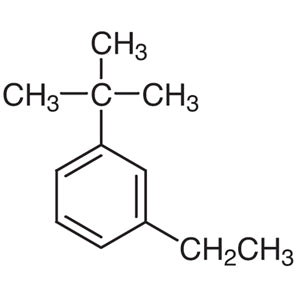
1-tert-Butyl-3-ethylbenzene TCI B1739
Regular price Rp 1.881.600,00Regular price -
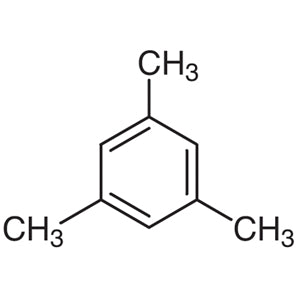
1,3,5-Trimethylbenzene TCI T0470
Regular price From Rp 452.550,00Regular price -
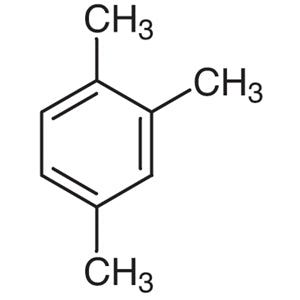
1,2,4-Trimethylbenzene TCI T0469
Regular price From Rp 477.750,00Regular price -
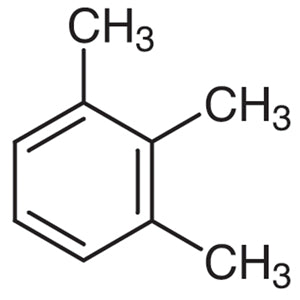
1,2,3-Trimethylbenzene TCI T0468
Regular price From Rp 717.150,00Regular price -
2-Ethynyl-1,3,5-trimethylbenzene TCI E1361
Regular price From Rp 2.466.450,00Regular price