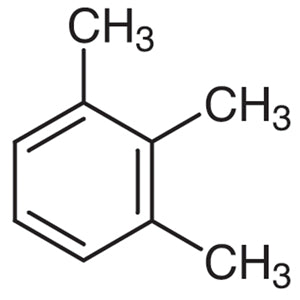
Diethylbenzene is an organic compound widely used in various laboratory experiments across different fields of chemistry. As a non-heterocyclic building block, it serves as a fundamental component in the synthesis of more complex chemical structures. This compound is commonly found in organic chemistry research and analytical applications, where its unique properties make it an essential tool for chemists. Its role in the laboratory extends beyond mere reagent use, contributing to processes such as separation techniques, chemical reactions, and the production of intermediate compounds. Due to its stability and versatility, Diethylbenzene is a reliable choice for both routine and specialized laboratory work.
The properties of Diethylbenzene that make it a preferred choice include its non-polar nature and relatively high boiling point. These characteristics make it suitable for applications requiring solvents with specific physical properties. Its chemical stability ensures minimal risk of unwanted reactions, making it ideal for use in controlled environments. Additionally, Diethylbenzene has a distinct aroma, which aids in visual identification. Its inertness further enhances its utility in laboratories where stability and predictability are crucial. These features collectively contribute to its widespread use in both academic and industrial settings.
In Indonesian laboratories, Diethylbenzene is frequently employed in organic chemistry research and compound analysis. It plays a key role in the synthesis and characterization of various chemical substances, supporting both teaching and research activities. Its presence in laboratory workflows underscores its importance in maintaining the efficiency and accuracy of chemical experiments. As a reliable and stable compound, Diethylbenzene remains a staple in the chemical inventory of Indonesian research facilities.
- Organic synthesis applications benefit from Diethylbenzene due to its non-polar nature and stability, allowing it to act as a solvent in complex reaction systems.
- Separation techniques such as distillation and chromatography utilize Diethylbenzene because of its high boiling point and low reactivity, ensuring consistent performance.
- Intermediate compound production relies on Diethylbenzene as a building block, enabling the creation of more complex chemical structures with controlled purity.
- Analytical chemistry experiments use Diethylbenzene as a reference standard due to its predictable behavior and distinct aroma, aiding in accurate identification.
- Research and development in chemical industries incorporate Diethylbenzene for its reliability in maintaining stable reaction conditions and minimizing side reactions.
| Brand | TCI |
|---|---|
| CAS number | 25340-17-4 |
| Molecular formula | — |
| Purity | — |
| Category | Chemistry > Building Blocks > Non-Heterocyclic Building Blocks |
| Pack sizes | Available in various quantities as per standard laboratory supply |
| Physical form | Liquid |
| Storage | Store in a cool, dry place away from direct sunlight and incompatible materials |
Diethylbenzene should be stored in a cool, dry location, away from direct sunlight and sources of heat. It is recommended to use airtight containers made of materials such as glass or stainless steel to prevent contamination and evaporation. Due to its non-polar nature, it should be kept separate from reactive or incompatible substances. In laboratory settings, proper ventilation is essential to manage any vapors, and personal protective equipment such as gloves and goggles should be worn when handling. Regular monitoring of storage conditions ensures the compound remains stable and safe for use. These precautions help maintain the integrity and usability of Diethylbenzene in laboratory environments.
—
Produk Terkait
-
Diethylbenzene(mixture) TCI D3378
Regular price From Rp 452.550,00Regular price -
1,4-Diethylbenzene TCI D0479
Regular price From Rp 1.431.150,00Regular price -
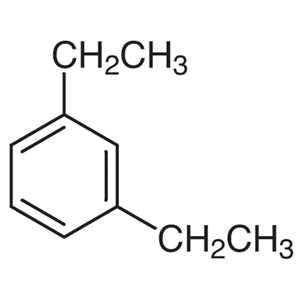
1,3-Diethylbenzene TCI D0478
Regular price From Rp 1.829.100,00Regular price -
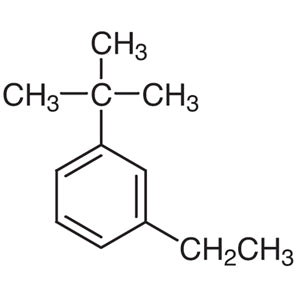
1-tert-Butyl-3-ethylbenzene TCI B1739
Regular price Rp 1.881.600,00Regular price -
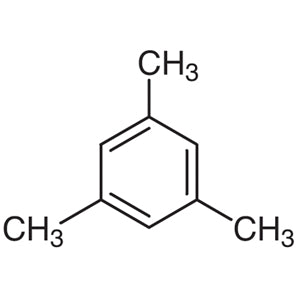
1,3,5-Trimethylbenzene TCI T0470
Regular price From Rp 452.550,00Regular price -
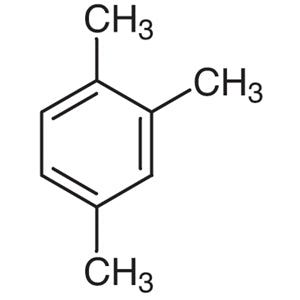
1,2,4-Trimethylbenzene TCI T0469
Regular price From Rp 477.750,00Regular price -
1,2,3-Trimethylbenzene TCI T0468
Regular price From Rp 717.150,00Regular price -
2-Ethynyl-1,3,5-trimethylbenzene TCI E1361
Regular price From Rp 2.466.450,00Regular price