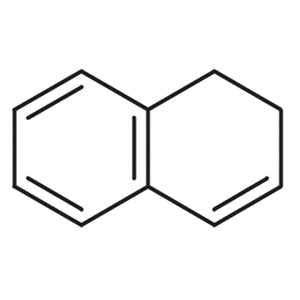
1,2-Dihydronaphthalene is an organic chemical compound widely used as a foundational material in various chemical reactions. It serves as a key building block in synthetic chemistry, enabling the creation of complex organic molecules. This compound is commonly found in chemical laboratories as a core component in the synthesis of aromatic and heterocyclic compounds. Its versatility makes it a valuable resource for researchers and students engaged in organic synthesis and chemical experimentation.
The compound's stable molecular structure and ability to participate in substitution and electrophilic reactions make it a preferred choice in laboratory settings. Its high reactivity, derived from the presence of a naphthalene-like structure, allows it to interact with a wide range of functional groups. This reactivity, combined with its relatively low melting and boiling points, facilitates ease of handling during heating and cooling processes. These properties contribute to its widespread use in chemical synthesis and research.
In Indonesian laboratories, 1,2-Dihydronaphthalene is extensively utilized in chemical research, particularly in the field of organic synthesis. It is frequently used by researchers and students to develop new compounds and conduct experiments that require a reliable and flexible building block. Its availability and chemical properties make it an essential material in both academic and industrial research environments.
Related TCI products
- TCI D0088 612-17-9 1,4-Dihydronaphthalene
- TCI T0107 119-64-2 1,2,3,4-Tetrahydronaphthalene
- TCI M3863 1680-51-9 6-Methyl-1,2,3,4-tetrahydronaphthalene
- TCI E0567 573-57-9 1,4-Epoxy-1,4-dihydronaphthalene
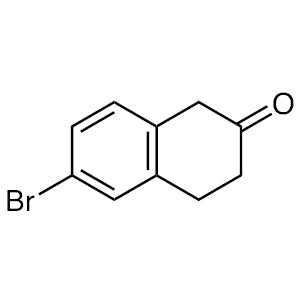
- TCI B4112 4133-35-1 6-Bromo-3,4-dihydronaphthalen-2(1H)-one
- TCI D6363 13575-75-2 6,7-Dimethoxy-3,4-dihydronaphthalen-1(2H)-one
- Organic Synthesis: This compound is ideal for creating complex organic molecules due to its reactivity and structural versatility.
- Heterocyclic Compound Development: Its naphthalene-like structure makes it suitable for synthesizing heterocyclic compounds.
- Functional Group Modification: It can be used to modify various functional groups in chemical reactions, enhancing molecular diversity.
- Teaching and Research in Chemistry: It is commonly used in academic settings to demonstrate chemical reactions and synthesis techniques.
- Industrial Chemical Production: Its stable structure and reactivity make it a valuable component in the production of industrial chemicals.
| Brand | TCI |
|---|---|
| CAS number | 447-53-0 |
| Molecular formula | — |
| Purity | — |
| Category | Chemistry > Building Blocks > Non-Heterocyclic Building Blocks |
| Pack sizes | Available in various quantities as per supplier specifications |
| Physical form | Solid |
| Storage | Store in a cool, dry place away from light and moisture |
This compound should be stored in a cool, dry place, away from light and moisture to maintain its stability and reactivity. It is recommended to use airtight containers to prevent exposure to air and contaminants. Due to its chemical nature, it should be handled with appropriate personal protective equipment, such as gloves and safety goggles, to ensure laboratory safety. Avoid direct contact with skin or inhalation of vapors. Keep it away from incompatible substances like strong oxidizers. Regular monitoring of storage conditions is advised to ensure the compound remains in optimal condition for use in chemical experiments.
—
Produk Terkait
-
1,4-Dihydronaphthalene TCI D0088
Regular price From Rp 1.749.300,00Regular price -
1,2,3,4-Tetrahydronaphthalene TCI T0107
Regular price From Rp 477.750,00Regular price -
6-Methyl-1,2,3,4-tetrahydronaphthalene TCI M3863
Regular price Rp 5.962.950,00Regular price -
1,4-Epoxy-1,4-dihydronaphthalene TCI E0567
Regular price From Rp 1.538.250,00Regular price -
6-Bromo-3,4-dihydronaphthalen-2(1H)-one TCI B4112
Regular price From Rp 1.618.050,00Regular price -
6,7-Dimethoxy-3,4-dihydronaphthalen-1(2H)-one TCI D6363
Regular price Rp 2.359.350,00Regular price -
3,4-Dihydronaphthalen-1(2H)-oneOxime TCI D6120
Regular price From Rp 1.458.450,00Regular price -
1,2,3,4-Tetrahydronaphthalene-2-carboxylicAcid TCI T4149
Regular price From Rp 2.359.350,00Regular price