Diphenylcarbazone is a chemical compound widely used as a building block in various laboratory applications, particularly in organic synthesis and heterocyclic compound production. It serves as a versatile reagent that enables the formation of complex molecular structures through substitution and condensation reactions. Its role in the laboratory is critical for researchers aiming to develop new pharmaceuticals, industrial chemicals, and advanced materials. This compound is especially valuable in synthetic pathways where controlled chemical transformations are required.
One of the key reasons Diphenylcarbazone is preferred is its chemical stability and resistance to both oxidation and reduction reactions. These properties make it suitable for use in environments where maintaining reaction integrity is essential. Additionally, its well-defined melting and boiling points facilitate precise handling and purification processes in analytical chemistry. The stability and predictability of its behavior contribute to its reliability in laboratory settings.
In Indonesian laboratories, Diphenylcarbazone is commonly used in organic chemistry research, particularly in academic and research institutions. Its availability and effectiveness in synthesizing complex compounds make it a preferred choice for scientists working on drug development, material science, and chemical analysis. Its role in supporting advanced research is well recognized within the scientific community in Indonesia.
Related TCI products
- TCI D1513 140-22-7 1,5-Diphenylcarbonohydrazide
- TCI B0526 5655-61-8 Bornyl Acetate (contains ca. 20% Isobornyl Acetate)
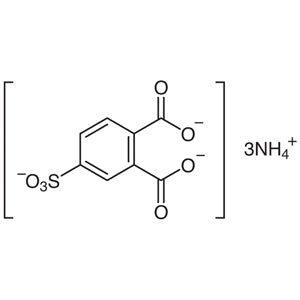
- TCI S0315 22411-24-1 Triammonium 4-Sulfophthalate (contains 3-Sulfophthalate)
- TCI S0136 89-08-7 4-Sulfophthalic Acid (contains 3-Sulfophthalic Acid) (ca 50% in Water)
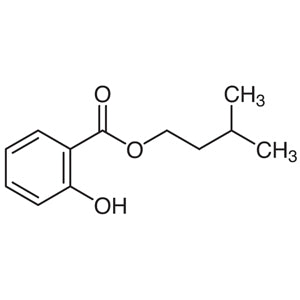
- TCI S0012 87-20-7 Isoamyl Salicylate (contains 2-Methylbutyl Salicylate)
- TCI P3165 593-29-3 Potassium Stearate (contains Potassium Palmitate)
- Organic synthesis is a primary application where Diphenylcarbazone is used to build complex molecular structures through condensation and substitution reactions.
- Pharmaceutical research benefits from its ability to participate in reactions that lead to the formation of heterocyclic compounds, essential in drug development.
- Industrial chemical production utilizes this compound for the synthesis of various organic compounds, contributing to the manufacturing of specialty chemicals.
- Analytical chemistry applications rely on its stable properties for accurate and reproducible experimental results.
- Educational institutions use Diphenylcarbazone in teaching and research to demonstrate key chemical reactions and synthetic techniques.
| Brand | TCI |
|---|---|
| CAS number | 538-62-5 |
| Molecular formula | — |
| Purity | — |
| Category | Chemistry > Building Blocks > Non-Heterocyclic Building Blocks |
| Pack sizes | Available in various quantities as per supplier specifications |
| Physical form | Solid |
| Storage | Store in a cool, dry place away from direct sunlight and moisture |
Diphenylcarbazone should be stored in a cool, dry environment to maintain its chemical stability. It is recommended to keep it in a tightly sealed container to prevent exposure to moisture and air. Due to its chemical nature, it should be handled in a well-ventilated area, and appropriate personal protective equipment should be worn when working with it. Avoid contact with skin and eyes, and ensure proper disposal methods are followed to comply with safety regulations. Regular monitoring of storage conditions is advised to ensure the compound remains in optimal condition for laboratory use.
—
Produk Terkait
-
1,5-Diphenylcarbonohydrazide TCI D1513
Regular price Rp 2.359.350,00Regular price -
BornylAcetate(containsca.20%IsobornylAcetate) TCI B0526
Regular price Rp 717.150,00Regular price -
Triammonium4-Sulfophthalate(contains3-Sulfophthalate) TCI S0315
Regular price Rp 2.227.050,00Regular price -
4-SulfophthalicAcid(contains3-SulfophthalicAcid)(ca50%inWater) TCI S0136
Regular price From Rp 557.550,00Regular price -
IsoamylSalicylate(contains2-MethylbutylSalicylate) TCI S0012
Regular price From Rp 505.050,00Regular price -
PotassiumStearate(containsPotassiumPalmitate) TCI P3165
Regular price From Rp 769.650,00Regular price -
PentaerythritolTetrastearate(containspalmitate) TCI P0739
Regular price From Rp 1.298.850,00Regular price -
PropyleneGlycolMonostearate(containsca.35%Monopalmitate) TCI P0614
Regular price Rp 477.750,00Regular price