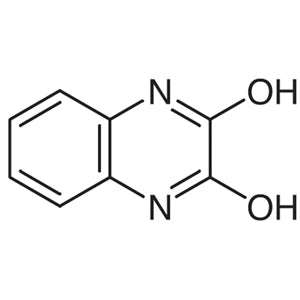
2,3-Dihydroxyquinoxaline is a chemical compound widely used as a foundational building block in the synthesis of complex heterocyclic molecules. This material features a distinctive molecular structure characterized by two hydroxyl groups positioned at the 2 and 3 positions of the quinoxaline ring, which enables a broad range of chemical reactions. In laboratory settings, researchers rely on this compound to construct more elaborate molecular architectures, particularly those exhibiting specific biological activities relevant to pharmaceutical development and industrial chemistry applications.
The chemical properties of 2,3-Dihydroxyquinoxaline make it a preferred choice among researchers working with heterocyclic synthesis. Its stable molecular framework supports both substitution reactions and oxidation reactions, providing versatility across different synthetic pathways. The heterocyclic structure delivers excellent molecular stability, allowing synthesis processes to proceed without significant degradation of the starting material. Furthermore, the compound demonstrates adequate solubility in organic solvents, which simplifies product separation and isolation steps. These combined advantages have established this reagent as a highly valued material in both fundamental and applied chemistry research programs.
In Indonesian laboratories, 2,3-Dihydroxyquinoxaline is employed across a variety of chemistry research projects, with particular emphasis on pharmacological studies and the synthesis of complex organic compounds. Research institutions and analytical facilities throughout the country utilize this building block to advance drug discovery efforts and develop novel chemical entities. Its reliable performance and consistent reactivity profile make it an essential component in academic and industrial research workflows across Indonesia.
- Heterocyclic compound synthesis: this building block provides the quinoxaline core needed to construct complex multi-ring molecular architectures efficiently and reliably.
- Pharmaceutical research: the compound serves as a key intermediate for developing biologically active molecules with targeted therapeutic properties in drug discovery programs.
- Oxidation reaction studies: the dual hydroxyl groups at positions 2 and 3 enable controlled oxidation pathways for advanced synthetic transformations.
- Substitution reaction experiments: the stable heterocyclic framework allows researchers to perform diverse substitution reactions without significant molecular degradation during processing.
- Industrial chemical development: the material supports the creation of specialty chemicals and functional compounds used across various manufacturing sectors and production lines.
| Brand | TCI |
|---|---|
| CAS number | 15804-19-0 |
| Molecular formula | — |
| Purity | — |
| Category | Chemistry > Building Blocks > Heterocyclic Building Blocks |
| Pack sizes | — |
| Physical form | — |
| Storage | store in a cool, dry place away from direct sunlight and heat sources |
- Product Code: D1010
- Chemical Name: 2,3-Dihydroxyquinoxaline
2,3-Dihydroxyquinoxaline should be stored in a cool, dry environment away from direct sunlight and sources of heat to maintain its chemical integrity over time. The compound is best kept in its original tightly sealed container, preferably made of glass or compatible plastic, to prevent moisture absorption and contamination. Laboratory personnel should handle this material while wearing appropriate personal protective equipment, including gloves and safety goggles. Ensure adequate ventilation in the workspace during use, and avoid prolonged exposure to air or incompatible reagents. Always consult the safety data sheet before handling and follow institutional waste disposal protocols.
—
Produk Terkait
-
Benzo[g]quinoxaline TCI B4540
Regular price Rp 2.068.500,00Regular priceRp 1.461.600,00Sale price Rp 2.068.500,00 -
Quinoxaline1,4-Dioxide TCI Q0110
Regular price Rp 2.411.850,00Regular priceRp 1.702.050,00Sale price Rp 2.411.850,00 -
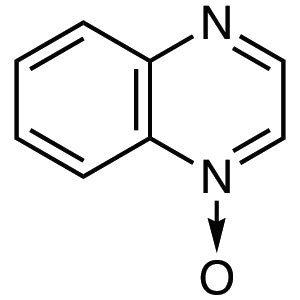
Quinoxaline1-Oxide TCI Q0108
Regular price Rp 1.670.550,00Regular priceRp 1.183.350,00Sale price Rp 1.670.550,00 -
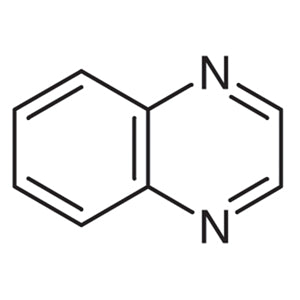
Quinoxaline TCI Q0020
Regular price Rp 1.590.750,00Regular priceRp 1.127.700,00Sale price Rp 1.590.750,00 -
6H-Indolo[2,3-b]quinoxaline TCI I1098
Regular price Rp 1.856.400,00Regular priceRp 1.313.550,00Sale price Rp 1.856.400,00 -
2-Hydroxyquinoxaline TCI H0591
Regular price Rp 848.400,00Regular priceRp 609.000,00Sale price Rp 848.400,00 -
5-Amino-8-hydroxyquinolineDihydrochloride TCI A1005
Regular price Rp 3.365.250,00Regular priceRp 2.368.800,00Sale price Rp 3.365.250,00 -
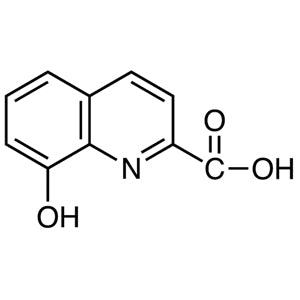
8-Hydroxyquinoline-2-carboxylicAcid TCI H1658
Regular price Rp 2.491.650,00Regular priceRp 1.757.700,00Sale price Rp 2.491.650,00
![260-50-4 Benzo[g]quinoxaline - AMI Scientific](http://amiscientific.com/cdn/shop/files/TCI2510B4540.jpg?v=1767091332&width=533)

![243-59-4 6H-Indolo[2,3-b]quinoxaline - AMI Scientific](http://amiscientific.com/cdn/shop/files/TCI2510I1098.jpg?v=1767120775&width=533)