Diaminomaleonitrile (DAMN), with the CAS number 1187-42-4, is a chemical compound widely used in organic synthesis as a building block in laboratory settings. It is a versatile reagent that plays a crucial role in the development of complex organic molecules. Its unique molecular structure, featuring two amino groups and two nitrile groups connected by a carbon chain, makes it an essential tool for chemists. DAMN is particularly valued for its ability to participate in various chemical reactions, allowing researchers to create a wide range of functional derivatives. Its chemical stability and controlled reactivity make it a reliable choice for synthetic applications.
DAMN is preferred due to its chemical properties that enable it to form strong and stable bonds with different functional groups. Its ability to react under a variety of conditions, including both polar and non-polar solvents, enhances its utility in diverse synthetic pathways. The compound's reactivity is well-controlled, making it suitable for use in both research and industrial settings. Its molecular structure allows for easy modification, which is highly beneficial in the design of new compounds. These characteristics make DAMN a popular choice among chemists seeking reliable and adaptable reagents.
In Indonesian laboratories, DAMN is commonly used in organic chemistry research, especially in the development of new chemical compounds. It is frequently employed in academic and industrial settings where precise chemical synthesis is required. The compound's stability and reactivity make it ideal for use in both small-scale and larger chemical processes. Its versatility and reliability have made it a staple in many chemical laboratories across Indonesia.
TCI brochures (PDF)
- Ligands 2025-12-01 · p. 20
Related TCI products
- TCI P0168 95-54-5 1,2-Phenylenediamine
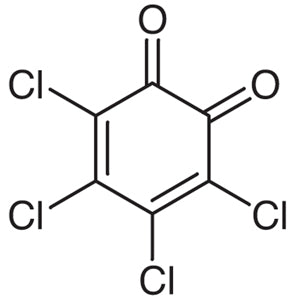
- TCI T0970 2435-53-2 o-Chloranil
- TCI D2430 3383-21-9 3,5-Di-tert-butyl-1,2-benzoquinone
- TCI T2806 132765-36-7 2,3,6,7-Tetrakis(2-cyanoethylthio)tetrathiafulvalene
- TCI B2228 132765-35-6 4,5-Bis(2-cyanoethylthio)-1,3-dithiole-2-thione
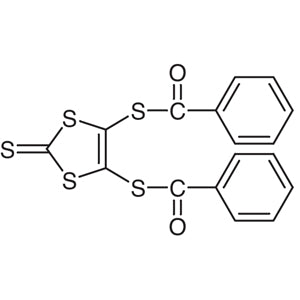
- TCI B1199 68494-08-6 4,5-Bis(benzoylthio)-1,3-dithiole-2-thione
- Organic synthesis is a primary application where DAMN is used to construct complex molecules due to its reactivity and structural adaptability.
- Functional group modification benefits from DAMN's ability to form strong bonds with various functional groups, enabling the creation of diverse chemical derivatives.
- Polymer chemistry utilizes DAMN for its ability to participate in polymerization reactions, contributing to the development of new materials.
- Medicinal chemistry research employs DAMN to synthesize potential drug candidates, leveraging its structural versatility and chemical stability.
- Analytical chemistry applications benefit from DAMN's controlled reactivity, allowing for precise chemical reactions in analytical procedures.
| Brand | TCI |
|---|---|
| CAS number | 1187-42-4 |
| Molecular formula | — |
| Purity | — |
| Category | Chemistry > Building Blocks > Non-Heterocyclic Building Blocks |
| Pack sizes | Available in various quantities as per standard laboratory supply |
| Physical form | Solid |
| Storage | Store in a cool, dry place away from moisture and direct sunlight |
Diaminomaleonitrile should be stored in a cool, dry environment to maintain its chemical stability. It is recommended to keep the compound in airtight containers to prevent exposure to moisture and air. Due to its chemical nature, it should be stored away from incompatible substances such as strong oxidizers or acids. Proper labeling of containers is essential for safe handling and identification. Laboratory personnel should wear appropriate personal protective equipment when handling DAMN to ensure safety. Regular inspection of storage conditions is advised to maintain the integrity of the compound.
—
Produk Terkait
-
1,2-Phenylenediamine TCI P0168
Regular price From Rp 530.250,00Regular price -
o-Chloranil TCI T0970
Regular price From Rp 2.969.400,00Regular price -
3,5-Di-tert-butyl-1,2-benzoquinone TCI D2430
Regular price From Rp 3.498.600,00Regular price -
2,3,6,7-Tetrakis(2-cyanoethylthio)tetrathiafulvalene TCI T2806
Regular price Rp 2.518.950,00Regular price -
4,5-Bis(2-cyanoethylthio)-1,3-dithiole-2-thione TCI B2228
Regular price Rp 4.426.800,00Regular price -
4,5-Bis(benzoylthio)-1,3-dithiole-2-thione TCI B1199
Regular price From Rp 2.730.000,00Regular price -
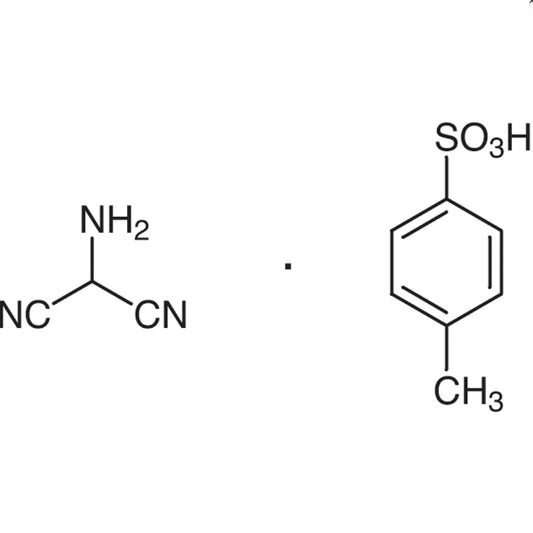
Aminomalononitrilep-Toluenesulfonate TCI A1119
Regular price From Rp 2.041.200,00Regular price -
N,N,N',N'-Tetramethyldiaminomethane TCI T0969
Regular price From Rp 795.900,00Regular price