


N,N-Dibutylethylenediamine (CAS No. 3529-09-7) is a versatile chemical compound widely used in laboratory settings for its role as a building block in various chemical reactions. This amine-based compound is particularly valuable in the synthesis of complex molecules, where it serves as a key reagent for forming nitrogen-carbon bonds. Its chemical structure allows it to participate in multiple reaction pathways, making it an essential component in organic chemistry laboratories. Due to its reactivity, it is frequently employed in the development of new chemical compounds and materials.
The compound's chemical stability under controlled conditions makes it a preferred choice for laboratory applications. However, it remains sensitive to oxidation and prolonged exposure to light, which necessitates careful handling and storage. Its strong, pungent odor also requires that it be used in well-ventilated areas or with appropriate safety equipment. These properties make it a reliable and effective reagent in synthetic processes, especially in the creation of heterocyclic compounds and complex organic structures.
In Indonesian laboratories, N,N-Dibutylethylenediamine is commonly used in organic chemistry research, particularly in the synthesis of compounds requiring amines as functional groups. It is also utilized in the development of industrial chemical products, including pharmaceuticals, plastics, and other materials that require nitrogen-based structures. Its versatility and reactivity make it a valuable resource for researchers and chemists working in diverse fields.
- Organic synthesis is a primary application where this compound is used to form nitrogen-carbon bonds, enabling the creation of complex molecular structures.
- Heterocyclic compound synthesis benefits from its ability to participate in multiple reaction pathways, making it ideal for ring-forming reactions.
- Pharmaceutical research often incorporates this reagent in the development of new drugs, as it contributes to the formation of nitrogen-containing functional groups.
- Polymer chemistry applications rely on its reactivity to create cross-linked structures, which are essential in the production of advanced materials.
- Industrial chemical development utilizes this compound for the synthesis of nitrogen-based compounds used in plastics and specialty chemicals.
| Brand | TCI |
|---|---|
| CAS number | 3529-09-7 |
| Molecular formula | — |
| Purity | — |
| Category | Chemistry > Building Blocks > Non-Heterocyclic Building Blocks |
| Pack sizes | Available in various quantities as per supplier specifications |
| Physical form | Liquid |
| Storage | Store in a cool, dark place away from oxidizing agents and direct light |
N,N-Dibutylethylenediamine should be stored in a cool, dark location to prevent degradation due to light exposure. It is recommended to use airtight containers made of materials resistant to chemical reactions, such as glass or stainless steel. Due to its pungent odor, it should be handled in a well-ventilated area or fume hood. Laboratory personnel should wear appropriate personal protective equipment, including gloves and safety goggles, when working with this compound. Avoid prolonged exposure to air and light to maintain its chemical stability and effectiveness in reactions. Proper storage and handling are essential to ensure both safety and the compound's performance in chemical processes.
—
Produk Terkait
-
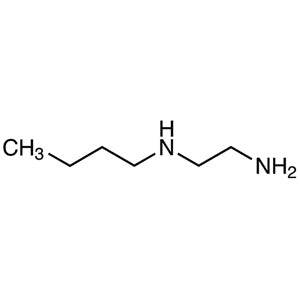
N-Butylethylenediamine TCI B1491
Regular price Rp 2.809.800,00Regular price -
N,N'-Di-tert-butylethylenediamine TCI D2638
Regular price From Rp 1.353.450,00Regular price -
N-Ethylethylenediamine TCI E0294
Regular price From Rp 743.400,00Regular price -
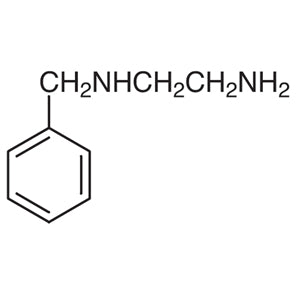
N-Benzylethylenediamine TCI B1106
Regular price Rp 1.565.550,00Regular price -
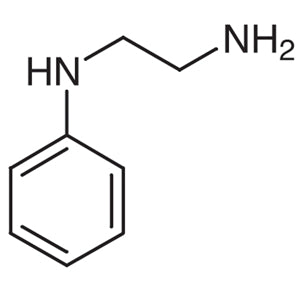
N-Phenylethylenediamine TCI P1101
Regular price From Rp 4.320.750,00Regular price -
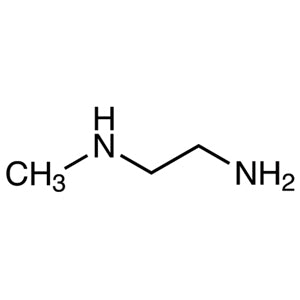
N-Methylethylenediamine TCI M0518
Regular price From Rp 1.908.900,00Regular price -
N,N-Diethyl-N'-methylethylenediamine TCI D1297
Regular price From Rp 1.378.650,00Regular price -
N,N,N',N'-Tetramethylethylenediamine[forElectrophoresis] TCI T2515
Regular price From Rp 477.750,00Regular price


![110-18-9 N,N,N',N'-Tetramethylethylenediamine [for Electrophoresis] - AMI Scientific](http://amiscientific.com/cdn/shop/files/TCI2510T2515.jpg?v=1767142980&width=533)