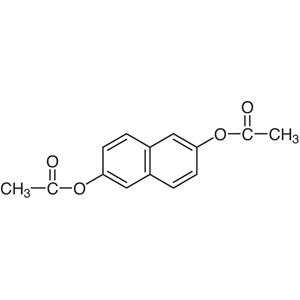
2,6-Diacetoxynaphthalene is a chemical compound widely used as a building block in the synthesis of complex organic molecules. It is a modified form of naphthalene, with two acetoxyl groups attached at positions 2 and 6. This structural feature makes it a versatile intermediate in various chemical reactions. In laboratory settings, it plays a crucial role in organic chemistry research, where its reactivity and compatibility with functional groups are highly valued. Its ability to participate in multiple reaction pathways makes it an essential tool for chemists working on the development of new compounds.
The compound is known for its chemical stability and reactivity, which are key factors in its popularity among researchers. It exhibits good solubility in organic solvents such as ethyl acetate and chloroform, making it easy to handle in solution-based reactions. Additionally, its relatively high melting point facilitates isolation and purification processes in the lab. These properties contribute to its reliability and efficiency in synthetic applications, ensuring consistent results in chemical experiments.
In Indonesian laboratories, 2,6-Diacetoxynaphthalene is commonly used in organic chemistry research, particularly in the synthesis of heterocyclic compounds and complex molecular structures. It is a favored material for academic and industrial research institutions, supporting advancements in chemical synthesis and material science. Its availability and performance make it a reliable choice for both teaching and research purposes in the chemical sciences.
Related TCI products
- TCI A2030 3900-45-6 2-Acetyl-6-methoxynaphthalene
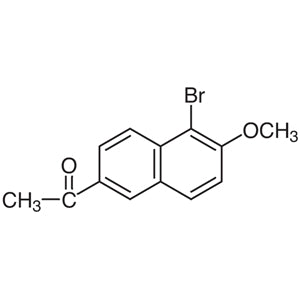
- TCI A1584 84167-74-8 6-Acetyl-1-bromo-2-methoxynaphthalene
- TCI M3326 23981-47-7 2-(6-Methoxynaphthalen-2-yl)acetic Acid
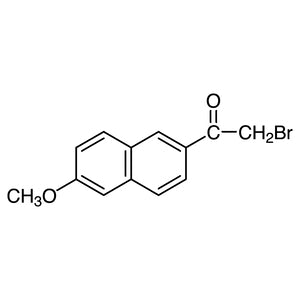
- TCI B3496 10262-65-4 2-(Bromoacetyl)-6-methoxynaphthalene
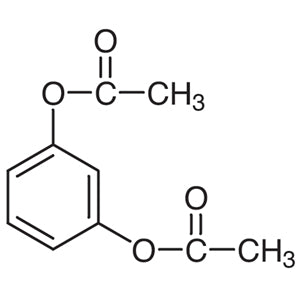
- TCI R0046 108-58-7 1,3-Diacetoxybenzene
- TCI D2044 635-67-6 1,2-Diacetoxybenzene
- Organic synthesis is a primary application where 2,6-Diacetoxynaphthalene is used as a versatile building block due to its reactivity and compatibility with various functional groups.
- Heterocyclic compound synthesis benefits from this compound's structural features, allowing for the formation of complex ring systems in a controlled manner.
- Functional group modification processes utilize its acetoxyl groups to introduce new functionalities into target molecules through chemical transformations.
- Analytical chemistry applications involve its use as a reference standard for spectral analysis and chromatographic studies due to its well-defined chemical properties.
- Material science research employs it in the development of new polymers and organic materials, leveraging its chemical stability and reactivity.
| Brand | TCI |
|---|---|
| CAS number | 22426-47-7 |
| Molecular formula | — |
| Purity | — |
| Category | Chemistry > Building Blocks > Non-Heterocyclic Building Blocks |
| Pack sizes | Available in standard laboratory quantities |
| Physical form | Solid, crystalline |
| Storage | Store in a cool, dry place away from direct sunlight |
This compound should be stored in a cool, dry environment, away from direct sunlight and sources of heat. It is recommended to use airtight containers to prevent moisture absorption and contamination. Due to its chemical stability, it does not require refrigeration under normal laboratory conditions. However, it should be handled with care to avoid exposure to incompatible substances. Proper ventilation is advised when working with this material to ensure safe laboratory practices. Always follow standard safety protocols when handling chemical compounds to maintain a safe and efficient research environment.
—
Produk Terkait
-
2-Acetyl-6-methoxynaphthalene TCI A2030
Regular price From Rp 1.193.850,00Regular price -
6-Acetyl-1-bromo-2-methoxynaphthalene TCI A1584
Regular price Rp 1.618.050,00Regular price -
2-(6-Methoxynaphthalen-2-yl)aceticAcid TCI M3326
Regular price Rp 2.174.550,00Regular price -
2-(Bromoacetyl)-6-methoxynaphthalene TCI B3496
Regular price From Rp 2.279.550,00Regular price -
1,3-Diacetoxybenzene TCI R0046
Regular price From Rp 795.900,00Regular price -
1,2-Diacetoxybenzene TCI D2044
Regular price Rp 3.605.700,00Regular price -
3,4-Diacetoxybenzaldehyde TCI D2042
Regular price From Rp 2.466.450,00Regular price -
1,4-Diacetoxybenzene TCI D1803
Regular price From Rp 1.035.300,00Regular price