2,4-Dihydroxyquinoline is a chemical compound widely used in various chemical reactions and the synthesis of complex molecules. As a heterocyclic building block, it plays a crucial role in organic chemistry by enabling the creation of structurally diverse compounds. Its unique chemical structure makes it an essential component in the development of new materials, pharmaceuticals, and biochemical agents. In laboratory settings, this compound is often utilized as a starting material for further chemical modifications and functional group introductions.
The compound is valued for its stability and controlled reactivity, which make it a preferred choice for researchers and scientists. It exhibits excellent solubility in organic solvents, facilitating efficient processing and separation techniques in the lab. Its ability to form stable intermediates and participate in a variety of reaction mechanisms enhances its versatility. Additionally, its chemical inertness under specific conditions allows for precise control during synthetic processes, making it a reliable reagent in both academic and industrial research.
In Indonesian laboratories, 2,4-Dihydroxyquinoline is commonly used in organic chemistry research and the development of new compounds. It is frequently found in projects related to drug synthesis, molecular modification, and the creation of advanced chemical materials. Its role in the synthesis of bioactive compounds and complex structures makes it an important reagent in both academic and applied research environments.
Related TCI products
- TCI D3819 15450-76-7 2,8-Dihydroxyquinoline
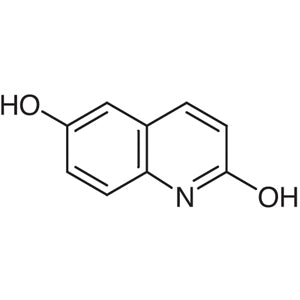
- TCI D2822 19315-93-6 2,6-Dihydroxyquinoline
- TCI A1005 21302-43-2 5-Amino-8-hydroxyquinoline Dihydrochloride
- TCI H1713 14510-06-6 8-Hydroxyquinoline-2-carbaldehyde
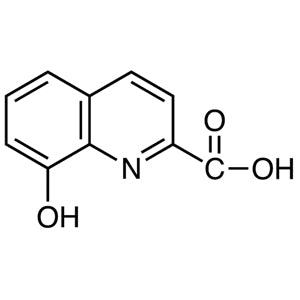
- TCI H1658 1571-30-8 8-Hydroxyquinoline-2-carboxylic Acid
- TCI H1272 1127-45-3 8-Hydroxyquinoline N-Oxide
- Organic synthesis projects benefit from 2,4-Dihydroxyquinoline due to its ability to form stable intermediates and participate in a variety of reaction mechanisms.
- Drug development initiatives often use this compound as a building block for the synthesis of bioactive molecules and pharmaceutical intermediates.
- Material science research incorporates 2,4-Dihydroxyquinoline to create novel chemical materials with specific functional properties.
- Biochemical studies utilize this compound for the modification of molecular structures and the development of complex organic compounds.
- Research in chemical engineering leverages its solubility and reactivity to design efficient synthetic pathways and reaction conditions.
| Brand | TCI |
|---|---|
| CAS number | 86-95-3 |
| Molecular formula | — |
| Purity | — |
| Category | Chemistry > Building Blocks > Heterocyclic Building Blocks |
| Pack sizes | Available in various quantities as per standard laboratory supply |
| Physical form | Solid |
| Storage | Store in a cool, dry place away from direct sunlight |
This compound should be stored in a cool, dry environment, away from direct sunlight and sources of heat. It is recommended to use airtight containers to prevent moisture absorption and contamination. Due to its chemical nature, it should be handled with appropriate personal protective equipment, including gloves and safety goggles. Proper ventilation is essential when working with this material to minimize exposure. It is important to keep the compound in a secure location, away from incompatible substances such as strong oxidizers. Regular inspection of storage conditions ensures the integrity and safety of the material in the laboratory setting.
—
Produk Terkait
-
2,8-Dihydroxyquinoline TCI D3819
Regular price From Rp 1.115.100,00Regular price -
2,6-Dihydroxyquinoline TCI D2822
Regular price From Rp 689.850,00Regular price -
5-Amino-8-hydroxyquinolineDihydrochloride TCI A1005
Regular price From Rp 3.312.750,00Regular price -
8-Hydroxyquinoline-2-carbaldehyde TCI H1713
Regular price From Rp 848.400,00Regular price -
8-Hydroxyquinoline-2-carboxylicAcid TCI H1658
Regular price From Rp 2.439.150,00Regular price -
8-HydroxyquinolineN-Oxide TCI H1272
Regular price From Rp 1.353.450,00Regular price -
2-Hydroxyquinoline-4-carboxylicAcid TCI H1016
Regular price From Rp 1.670.550,00Regular price -
8-Hydroxyquinoline-7-carboxylicAcid TCI H0877
Regular price From Rp 4.982.250,00Regular price