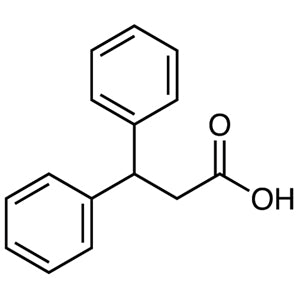
3,3-Diphenylpropionic Acid is a chemical compound widely used as a foundational building block in various chemical reactions. It plays a crucial role in the synthesis of more complex organic molecules, making it an essential component in both academic and industrial laboratory settings. This compound is particularly valued for its versatility and ability to participate in a range of chemical transformations, including substitution and coupling reactions. Its presence in the development of pharmaceuticals, industrial chemicals, and analytical compounds highlights its importance in modern chemical research.
The compound's chemical stability and reactivity make it a preferred choice for laboratory applications. Its simple yet flexible molecular structure allows for easy modification, enabling chemists to tailor its properties for specific uses. Additionally, its availability in solid form simplifies handling and processing, making it a practical option for laboratories requiring high-quality reagents. The combination of these properties ensures that it remains a reliable and efficient material for chemical synthesis and experimentation.
In Indonesian laboratories, 3,3-Diphenylpropionic Acid is commonly used in scientific research and educational settings. It is a key reagent in pharmaceutical studies, organic chemistry experiments, and analytical procedures. Its widespread use across various institutions, including universities and research centers, underscores its importance in advancing chemical knowledge and innovation in the region.
- Pharmaceutical research utilizes 3,3-Diphenylpropionic Acid for the synthesis of drug compounds due to its structural versatility and reactivity.
- Organic chemistry experiments benefit from its role as a building block in the creation of complex organic molecules through substitution and coupling reactions.
- Analytical chemistry applications rely on its stability and solubility properties for accurate chemical analysis and compound identification.
- Industrial chemical production uses it as a precursor in the development of specialty chemicals and functional materials.
- Educational institutions incorporate it into teaching laboratories to demonstrate fundamental chemical reactions and synthesis techniques.
| Brand | TCI |
|---|---|
| CAS number | 606-83-7 |
| Molecular formula | — |
| Purity | — |
| Category | Chemistry > Building Blocks > Non-Heterocyclic Building Blocks |
| Pack sizes | Available in various quantities as per standard laboratory supply |
| Physical form | Solid |
| Storage | Store in a cool, dry place away from direct sunlight and moisture |
3,3-Diphenylpropionic Acid should be stored in a cool, dry environment to maintain its chemical integrity. It is recommended to keep it in a sealed container to prevent exposure to moisture and air, which could affect its stability. The compound is generally non-hazardous under normal conditions but should be handled with care to avoid direct contact with skin or inhalation of vapors. In laboratory settings, it is advisable to use appropriate personal protective equipment such as gloves and safety goggles. Proper labeling of storage containers is essential for safe handling and to prevent accidental misuse. Regular inspection of storage conditions ensures that the material remains in optimal condition for use in chemical experiments.
—
Produk Terkait
-
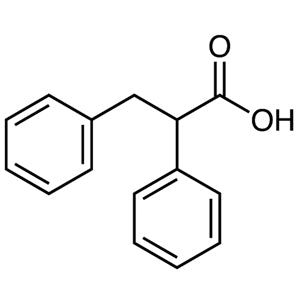
2,3-DiphenylpropionicAcid TCI D1790
Regular price From Rp 3.578.400,00Regular price -
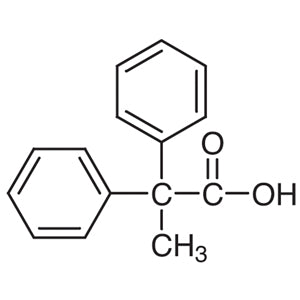
2,2-DiphenylpropionicAcid TCI D1778
Regular price Rp 2.466.450,00Regular price -
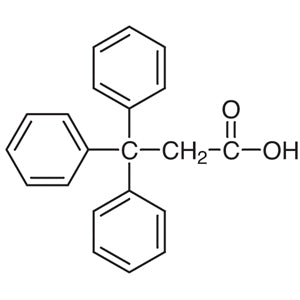
3,3,3-TriphenylpropionicAcid TCI T1558
Regular price From Rp 1.670.550,00Regular price -
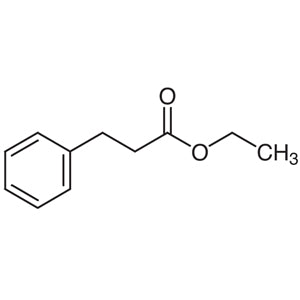
Ethyl3-Phenylpropionate TCI P1304
Regular price From Rp 1.510.950,00Regular price -
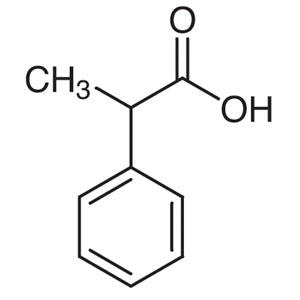
DL-2-PhenylpropionicAcid TCI P0699
Regular price From Rp 1.115.100,00Regular price -
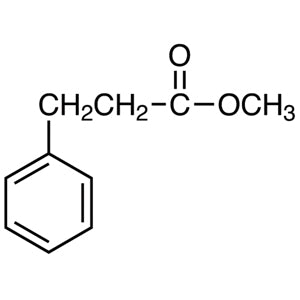
Methyl3-Phenylpropionate TCI M1786
Regular price Rp 2.016.000,00Regular price -
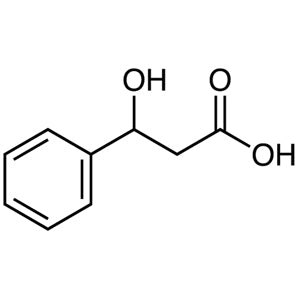
3-Hydroxy-3-phenylpropionicAcid TCI H1394
Regular price From Rp 980.700,00Regular price -
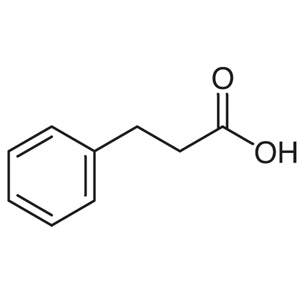
3-PhenylpropionicAcid TCI H0183
Regular price From Rp 664.650,00Regular price