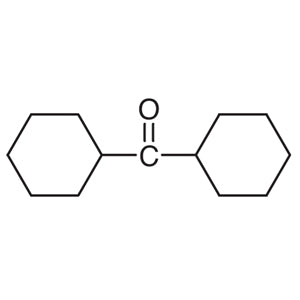
Dicyclohexyl Ketone is a chemical compound widely used in various laboratory reactions, particularly in the synthesis of organic compounds. As a key component within the building blocks category, it plays a vital role in organic chemistry by serving as a versatile reagent in multiple synthetic pathways. Its stable molecular structure and moderate reactivity make it an essential material for both academic and industrial research settings. This compound is commonly employed in substitution, reduction, and oxidation reactions, contributing to the development of complex organic molecules.
The properties of Dicyclohexyl Ketone make it a preferred choice in laboratory applications. It is a non-polar compound with low solubility in water but good solubility in organic solvents such as ethyl acetate and chloroform. These characteristics facilitate its use in a wide range of chemical processes, including purification and isolation techniques. Additionally, its high boiling point ensures stability during high-temperature reactions, minimizing evaporation and maintaining reaction efficiency. These physical and chemical properties enhance its usability in diverse experimental setups.
In Indonesian laboratories, Dicyclohexyl Ketone is frequently used in organic chemistry research, both in academic and industrial contexts. Its availability and consistent quality make it a reliable choice for researchers. It is commonly selected for its ability to support various synthetic reactions and its compatibility with standard laboratory procedures. This compound is integral to the development of new chemical compounds and the advancement of chemical research in Indonesia.
- Organic synthesis reactions benefit from Dicyclohexyl Ketone’s stability and reactivity, making it ideal for complex molecule construction.
- It is widely used in substitution reactions due to its non-polar nature, which allows for effective interaction with various reagents.
- Reduction and oxidation processes often utilize this compound as a key reagent, supporting the transformation of functional groups.
- Its solubility in organic solvents makes it suitable for purification techniques such as crystallization and distillation.
- High boiling point ensures it remains stable during high-temperature reactions, enhancing the efficiency of synthetic pathways.
| Brand | TCI |
|---|---|
| CAS number | 119-60-8 |
| Molecular formula | — |
| Purity | — |
| Category | Chemistry > Building Blocks > Non-Heterocyclic Building Blocks |
| Pack sizes | Available in various sizes as per standard laboratory supply options |
| Physical form | Liquid |
| Storage | Store in a cool, dry place away from direct sunlight and incompatible materials |
Dicyclohexyl Ketone should be stored in a cool, dry location away from direct sunlight and sources of heat. It is recommended to use sealed, airtight containers to prevent evaporation and contamination. Due to its non-polar nature, it is advisable to store it separately from reactive or incompatible substances. In laboratory settings, it should be handled with appropriate personal protective equipment, such as gloves and safety goggles, to ensure safety. Regular monitoring of storage conditions is essential to maintain the compound’s integrity and ensure safe usage in chemical experiments.
—
Produk Terkait
-
Bicyclo[2.2.1]hept-5-en-2-one TCI B6638
Regular price From Rp 1.535.100,00Regular price -
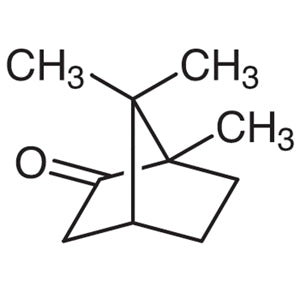
(+)-Camphor TCI C0010
Regular price From Rp 532.350,00Regular price -
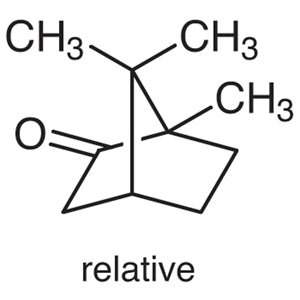
(+/-)-Camphor TCI C0011
Regular price From Rp 532.350,00Regular price -
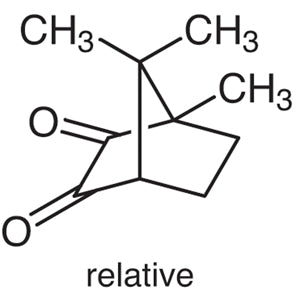
(+/-)-Camphorquinone TCI C0014
Regular price From Rp 1.800.750,00Regular price -
 Sold out
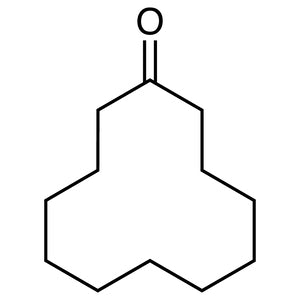
Cyclododecanone TCI C0462
Regular price Rp 3.040.800,00Regular price -
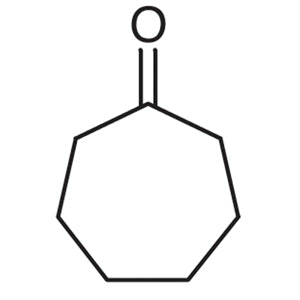
Cycloheptanone TCI C0466
Regular price From Rp 1.888.950,00Regular price -
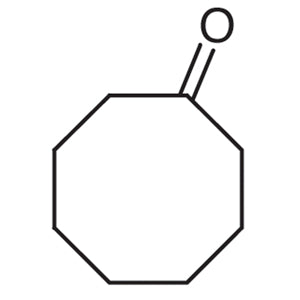
Cyclooctanone TCI C0504
Regular price From Rp 680.400,00Regular price -
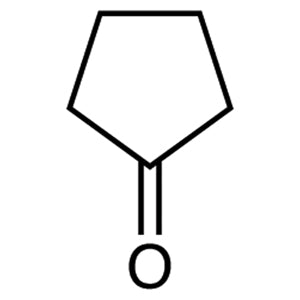
Cyclopentanone TCI C0510
Regular price From Rp 532.350,00Regular price
![Bicyclo[2.2.1]hept-5-en-2-one (CAS 694-98-4) - TCI B6638 - AMI Scientific](http://amiscientific.com/cdn/shop/files/TCI2510B6638.jpg?v=1767094075&width=533)