(2R,5R)-2,5-Diphenylpyrrolidine is a chemical compound widely used as an organocatalyst in various chemical reactions within the laboratory. This compound plays a crucial role in accelerating chemical reactions without undergoing degradation, ensuring efficient and accurate results. Its unique molecular structure, featuring two phenyl groups attached to carbon atoms at positions 2 and 5 of the pyrrolidine ring, makes it highly effective in catalytic processes. It is particularly valuable in asymmetric reactions and catalytic systems that require substrate activation. Due to its stability and reactivity, it is a key component in many synthetic and analytical procedures.
The compound's molecular structure provides it with several advantageous properties that make it a preferred choice in laboratory settings. Its stability in various solvents and resistance to degradation under typical reaction conditions contribute to its reliability. Additionally, its ability to interact with a wide range of substrates enhances its versatility in different chemical applications. The compound's non-toxic nature compared to other chemical catalysts also makes it safer for use in laboratory environments, reducing potential health and safety risks. These characteristics collectively make it a reliable and efficient choice for researchers.
In Indonesian laboratories, (2R,5R)-2,5-Diphenylpyrrolidine is commonly used in chemical research, especially in catalysis and organic synthesis. It is frequently employed in academic and industrial settings to facilitate complex reactions and improve reaction yields. Its widespread use in research institutions and universities highlights its importance in advancing chemical studies in the region. The compound's reliability and effectiveness make it an essential tool for chemists working in various fields of study.
TCI brochures (PDF)
- Asymmetric Organocatalysts 2025-06-12 · p. 7
- Asymmetric Synthesis 2026-03-18 · p. 6
Related TCI products
- TCI P2907 1006-64-0 2-Phenylpyrrolidine
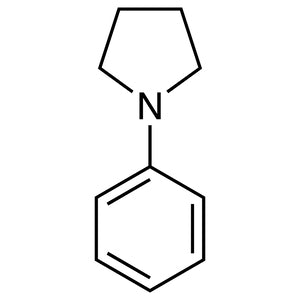
- TCI P3002 4096-21-3 1-Phenylpyrrolidine
- TCI H0784 144119-12-0 (R)-(-)-2-[Hydroxy(diphenyl)methyl]-1-methylpyrrolidine
- TCI H0768 110529-22-1 (S)-(+)-2-[Hydroxy(diphenyl)methyl]-1-methylpyrrolidine
- TCI P1615 83-24-9 2,5-Dimethyl-1-phenylpyrrole
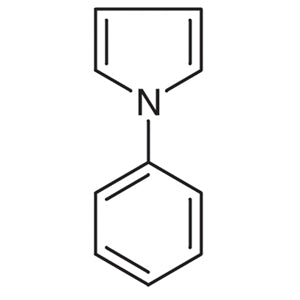
- TCI P1122 635-90-5 1-Phenylpyrrole
- Asymmetric synthesis reactions benefit from its ability to selectively activate substrates, enhancing enantioselectivity and yield.
- Catalytic activation in organic reactions is supported by its stable molecular structure and reactivity with diverse substrates.
- Synthetic chemistry applications leverage its role in promoting efficient and selective chemical transformations under controlled conditions.
- Analytical chemistry processes utilize its stability and non-toxic properties for reliable and safe experimental outcomes.
- Industrial chemical processes incorporate it for scalable and reproducible catalytic reactions in production settings.
| Brand | TCI |
|---|---|
| CAS number | 155155-73-0 |
| Molecular formula | — |
| Purity | — |
| Category | Chemistry > Catalysis and Inorganic Chemistry > Organocatalysts [Catalysis] |
| Pack sizes | — |
| Physical form | — |
| Storage | Store in a cool, dry place away from light and moisture |
This compound should be stored in a cool, dry place, away from direct light and moisture to maintain its stability and effectiveness. It is recommended to use airtight containers to prevent exposure to air and potential degradation. Due to its non-toxic nature, it is generally safe to handle, but standard laboratory precautions should still be followed, such as wearing appropriate personal protective equipment. It is important to ensure that the storage area is well-ventilated and free from incompatible materials. Proper handling and storage conditions help preserve the compound's integrity and ensure its safe use in laboratory environments.
—
Produk Terkait
-
2-Phenylpyrrolidine TCI P2907
Regular price From Rp 2.094.750,00Regular price -
1-Phenylpyrrolidine TCI P3002
Regular price From Rp 4.081.350,00Regular price -
(R)-(-)-2-[Hydroxy(diphenyl)methyl]-1-methylpyrrolidine TCI H0784
Regular price From Rp 1.193.850,00Regular price -
(S)-(+)-2-[Hydroxy(diphenyl)methyl]-1-methylpyrrolidine TCI H0768
Regular price From Rp 1.220.100,00Regular price -
2,5-Dimethyl-1-phenylpyrrole TCI P1615
Regular price Rp 3.683.400,00Regular price -
1-Phenylpyrrole TCI P1122
Regular price From Rp 1.644.300,00Regular price -
H-DL-Tic-OH TCI T4195
Regular price Rp 2.359.350,00Regular price -
N-(2-Thiophenesulfonyl)-L-prolinamide TCI T3080
Regular price Rp 3.155.250,00Regular price

![(R)-(-)-2-[Hydroxy(diphenyl)methyl]-1-methylpyrrolidine (CAS 144119-12-0) - TCI H0784 - AMI Scientific](http://amiscientific.com/cdn/shop/files/TCI2510H0784.jpg?v=1767116984&width=533)
![(S)-(+)-2-[Hydroxy(diphenyl)methyl]-1-methylpyrrolidine (CAS 110529-22-1) - TCI H0768 - AMI Scientific](http://amiscientific.com/cdn/shop/files/TCI2510H0768.jpg?v=1767116955&width=533)