3,6-Dichloro-4-methylpyridazine is a chemical compound widely used in laboratory settings for the synthesis of complex heterocyclic compounds. As a building block in organic chemistry, it plays a crucial role in the development of new pharmaceuticals and industrial chemicals. Its unique molecular structure allows it to participate in various chemical reactions, making it a versatile reagent for researchers. This compound is frequently used in synthetic pathways where specific functional groups need to be introduced or modified.
The compound is known for its stable chemical structure and high reactivity, which makes it ideal for substitution reactions and ring-opening processes. These properties enable it to be a key component in the synthesis of bioactive molecules. Its ability to undergo multiple chemical transformations enhances its utility in both academic and industrial research. The compound’s reactivity and structural versatility make it a preferred choice for chemists working on heterocyclic synthesis.
In Indonesian laboratories, 3,6-Dichloro-4-methylpyridazine is commonly used in organic chemistry and pharmacological research. It is a fundamental material in projects involving the synthesis of new compounds or the modification of existing ones. Its availability in the local market supports ongoing scientific investigations, particularly in the development of novel drugs and chemical products. Its role in chemical synthesis is indispensable, making it a sought-after reagent in the scientific community.
Related TCI products
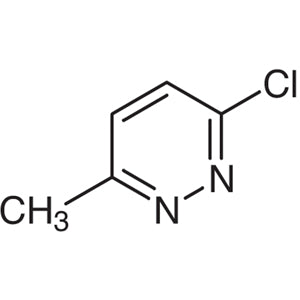
- TCI C2274 1121-79-5 3-Chloro-6-methylpyridazine
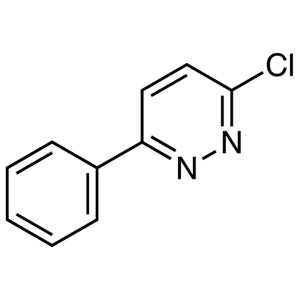
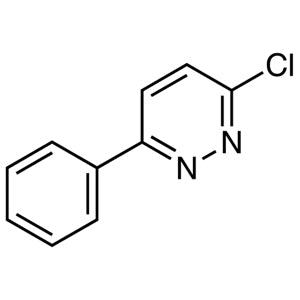
- TCI C3440 20375-65-9 3-Chloro-6-phenylpyridazine
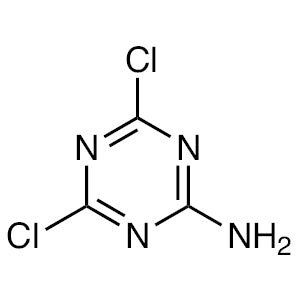
- TCI A3095 933-20-0 4,6-Dichloro-1,3,5-triazin-2-amine
- TCI A2716 145783-15-9 5-Amino-4,6-dichloro-2-(propylthio)pyrimidine
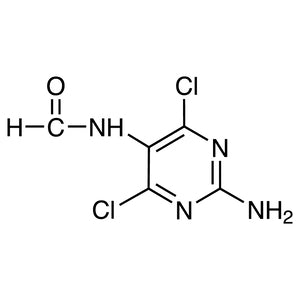
- TCI A2146 171887-03-9 2-Amino-4,6-dichloro-5-formamidopyrimidine
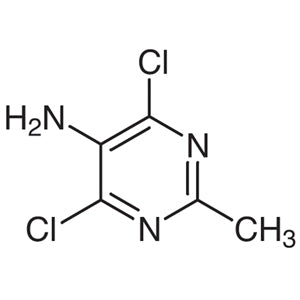
- TCI A1946 39906-04-2 5-Amino-4,6-dichloro-2-methylpyrimidine
- Organic synthesis projects benefit from this compound due to its ability to participate in substitution and ring-opening reactions, enabling the creation of complex heterocyclic structures.
- Pharmaceutical research utilizes this material for the development of bioactive compounds, as its structure can be modified to target specific biological activities.
- Industrial chemical production relies on this reagent for the synthesis of compounds with diverse applications, including agrochemicals and specialty chemicals.
- Academic research in chemistry often incorporates this compound to explore new synthetic methodologies and reaction mechanisms.
- Drug discovery initiatives use this compound as a starting point for the design of novel therapeutic agents, leveraging its reactivity and structural adaptability.
| Brand | TCI |
|---|---|
| CAS number | 19064-64-3 |
| Molecular formula | — |
| Purity | — |
| Category | Chemistry > Building Blocks > Heterocyclic Building Blocks |
| Pack sizes | Available in various quantities as per standard laboratory requirements |
| Physical form | Solid (exact form may vary depending on supplier) |
| Storage | Store in a cool, dry place away from light and moisture |
This compound should be stored in a cool, dry environment, away from direct sunlight and moisture to maintain its chemical stability. It is recommended to use airtight containers made of glass or high-density polyethylene to prevent contamination and degradation. Due to its reactivity, it should be handled with care, using appropriate personal protective equipment such as gloves and safety goggles. It is important to ensure proper ventilation in the laboratory when working with this compound to minimize exposure. Storage conditions should be monitored regularly to ensure the material remains in optimal condition for use in chemical synthesis.
—
Produk Terkait
-
3-Chloro-6-methylpyridazine TCI C2274
Regular price From Rp 2.254.350,00Regular price -
3-Chloro-6-phenylpyridazine TCI C3440
Regular price From Rp 2.094.750,00Regular price -
4,6-Dichloro-1,3,5-triazin-2-amine TCI A3095
Regular price Rp 4.611.600,00Regular price -
5-Amino-4,6-dichloro-2-(propylthio)pyrimidine TCI A2716
Regular price From Rp 637.350,00Regular price -
2-Amino-4,6-dichloro-5-formamidopyrimidine TCI A2146
Regular price From Rp 769.650,00Regular price -
5-Amino-4,6-dichloro-2-methylpyrimidine TCI A1946
Regular price From Rp 2.439.150,00Regular price -
3,6-Dichloro-1,2,4,5-tetrazine TCI D5732
Regular price From Rp 2.757.300,00Regular price -
2,4-Dichloro-3-nitropyridine TCI D5580
Regular price From Rp 769.650,00Regular price