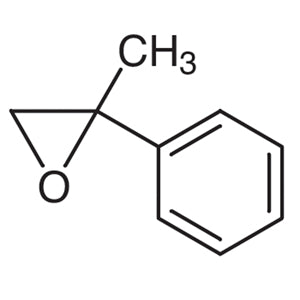
1,3,2-Dioxathiane 2-Oxide is a chemical compound widely used in organic reactions as a building block or intermediate. It plays a crucial role in the synthesis of heterocyclic compounds and complex molecular structures, making it an essential reagent in modern chemical research. This compound is valued for its ability to participate in various reaction mechanisms, including nucleophilic and electrophilic processes, which allows it to be versatile in synthetic pathways. Its presence in laboratory settings supports the development of new materials and pharmaceuticals through controlled chemical transformations.
The compound’s unique properties make it a preferred choice for synthetic chemists. It exhibits a stable yet reactive molecular structure, enabling it to interact effectively with a wide range of functional groups. Its polar nature allows compatibility with both polar and non-polar solvents, enhancing its utility in diverse reaction conditions. These characteristics contribute to its reliability and efficiency in laboratory applications, particularly in the synthesis of complex organic molecules. Its ability to maintain reactivity under varying conditions ensures consistent results in experimental settings.
In Indonesian laboratories, 1,3,2-Dioxathiane 2-Oxide is commonly used in organic chemistry research, especially in academic and research institutions. Its role in the synthesis of heterocyclic compounds is particularly significant, as it supports the development of new drugs and chemical materials. The compound’s versatility and reactivity make it a valuable asset for experiments requiring precision and control, especially in the creation of complex molecular structures.
- Heterocyclic Compound Synthesis: This compound is ideal for creating complex ring structures, which are essential in pharmaceutical and material science research.
- Organic Reaction Intermediate: Its reactivity and stability make it a key component in various synthetic pathways, supporting the development of new chemical compounds.
- Functional Group Modification: The compound’s ability to interact with multiple functional groups allows for precise modifications in molecular structures.
- Pharmaceutical Development: It is frequently used in the synthesis of drug molecules, contributing to the creation of new therapeutic agents.
- Advanced Material Synthesis: Its versatility enables its use in the production of novel materials with specific chemical and physical properties.
| Brand | TCI |
|---|---|
| CAS number | 4176-55-0 |
| Molecular formula | — |
| Purity | — |
| Category | Chemistry > Building Blocks > Non-Heterocyclic Building Blocks |
| Pack sizes | Available in various quantities as per supplier specifications |
| Physical form | Liquid |
| Storage | Store in a cool, dry place away from direct sunlight |
This compound should be stored in a cool, dry environment, away from direct sunlight and sources of heat. It is recommended to use airtight containers made of glass or high-density polyethylene to prevent contamination and evaporation. Due to its polar nature, it is advisable to handle it in a well-ventilated area to minimize exposure. Always wear appropriate personal protective equipment, such as gloves and safety goggles, when working with this material. Proper labeling of containers is essential to ensure safe handling and prevent accidental use. The compound should not be stored near incompatible substances, such as strong oxidizers or acids, to avoid potential chemical reactions.
—
Produk Terkait
-
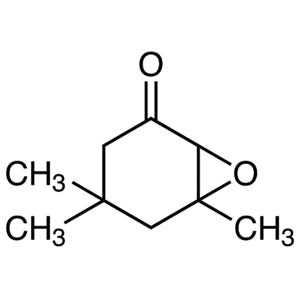
IsophoroneOxide TCI I0805
Regular price From Rp 1.378.650,00Regular price -
TripyrrolidinophosphineOxide TCI T2952
Regular price From Rp 1.988.700,00Regular price -
TetracyanoethyleneOxide TCI T1439
Regular price Rp 3.683.400,00Regular price -
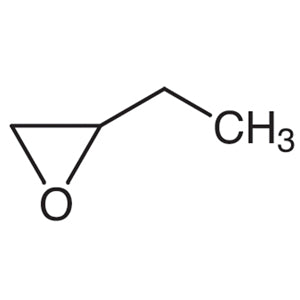
1,2-ButyleneOxide TCI B0719
Regular price From Rp 477.750,00Regular price -
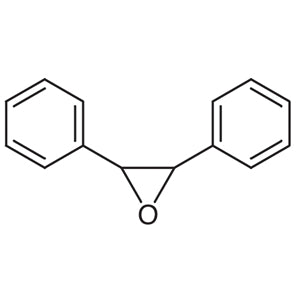
trans-StilbeneOxide TCI S0262
Regular price From Rp 1.803.900,00Regular price -
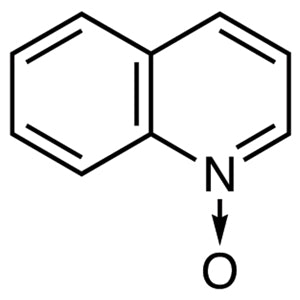
QuinolineN-Oxide TCI Q0104
Regular price Rp 1.829.100,00Regular price -
2-PhenylpropyleneOxide TCI P0833
Regular price Rp 10.494.750,00Regular price -
IsobutyleneOxide TCI I0323
Regular price From Rp 1.908.900,00Regular price