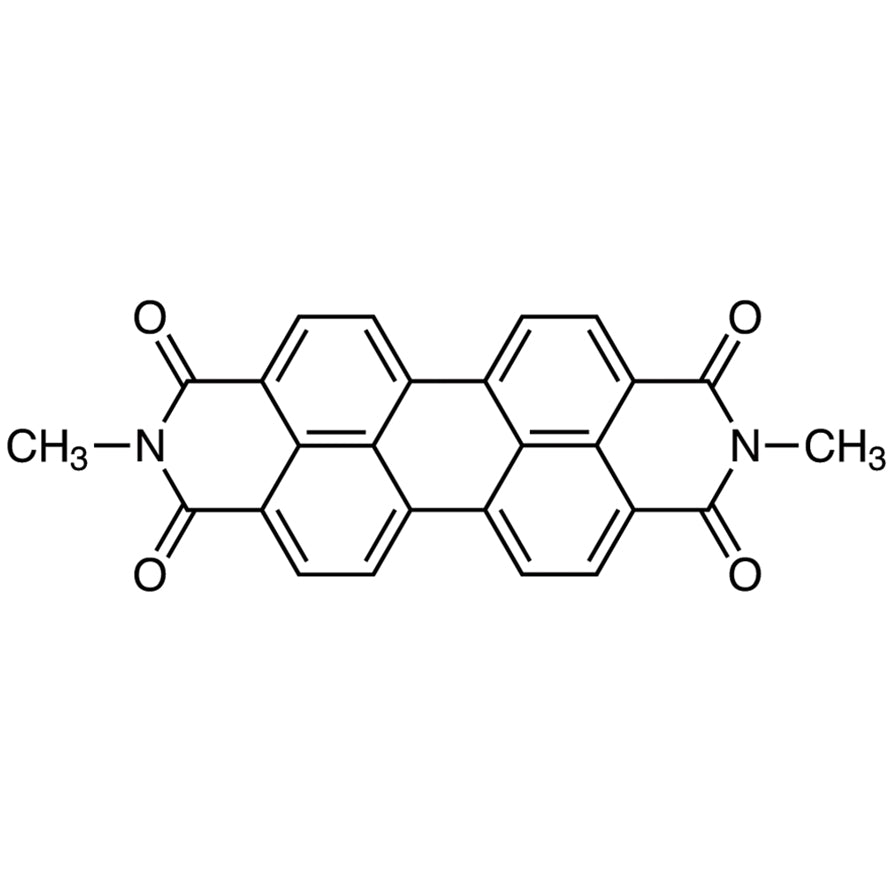
N,N’-Dimethyl-3,4,9,10-perylenetetracarboxylic Diimide (D4429) is an organic compound widely used in electronic materials research, particularly in the development of organic photovoltaic (OPV) cells. This material plays a crucial role in laboratory settings by serving as an active component in organic solar cell films. Its molecular structure enables it to efficiently capture light and convert it into electrical energy, making it an essential material for researchers working on renewable energy technologies. The compound is frequently utilized in academic and research institutions across Indonesia for its reliable performance and compatibility with various fabrication techniques.
The compound’s optical and electronic properties make it a preferred choice for OPV material applications. It exhibits the ability to absorb light within specific wavelength ranges, which is vital for maximizing energy conversion efficiency. Additionally, it demonstrates excellent charge transport characteristics, allowing for the efficient generation of electrons and holes. These properties contribute to the material’s stability and performance under operational conditions, ensuring consistent results in experimental setups. The chemical stability of D4429 further enhances its reliability, as it resists degradation during storage and use, making it a trusted choice for long-term research projects.
In Indonesian laboratories, D4429 is commonly used in academic and research institutions focused on renewable energy and organic electronics. It supports the development of next-generation solar technologies and contributes to the advancement of clean energy solutions. Researchers rely on this compound for its consistent performance and versatility in various experimental applications, making it a key component in the pursuit of sustainable energy innovations.
TCI brochures (PDF)
- Organic Transistor (OFET) Materials 2026-05-07 · p. 11
- Solar Cell Materials 2026-04-21 · p. 11
Related TCI products
- TCI B4268 82953-57-9 N,N'-Bis(2,6-diisopropylphenyl)-3,4,9,10-perylenetetracarboxylic Diimide
- TCI D4175 78151-58-3 N,N'-Di-n-octyl-3,4,9,10-perylenetetracarboxylic Diimide
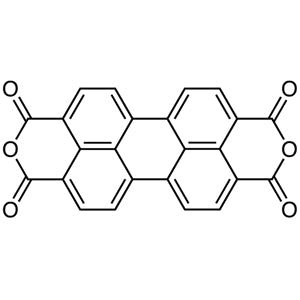
- TCI P2102 128-69-8 3,4,9,10-Perylenetetracarboxylic Dianhydride (purified by sublimation)
- TCI P0972 128-69-8 3,4,9,10-Perylenetetracarboxylic Dianhydride
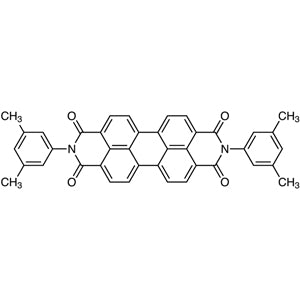
- TCI B4231 4948-15-6 N,N'-Bis(3,5-dimethylphenyl)-3,4,9,10-perylenetetracarboxylic Diimide
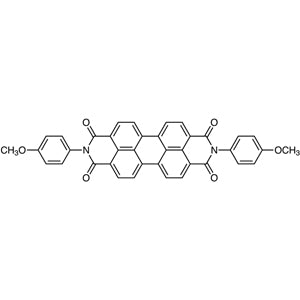
- TCI B2892 6424-77-7 N,N'-Bis(4-methoxyphenyl)-3,4,9,10-perylenetetracarboxylic Diimide
- Organic Photovoltaic (OPV) Cell Fabrication: This compound is ideal for creating active layers in OPV devices due to its light absorption and charge transport properties.
- Energy Conversion Research: Its ability to efficiently convert light into electrical energy makes it suitable for studies on energy harvesting and conversion mechanisms.
- Material Characterization Studies: The compound’s well-defined optical and electronic properties allow for detailed analysis in spectroscopy and electrochemical testing.
- Thin Film Deposition Experiments: Its compatibility with various deposition techniques makes it a preferred material for thin film research in electronic devices.
- Renewable Energy Development: It supports the development of sustainable energy technologies by enabling efficient solar cell performance in laboratory settings.
| Brand | TCI |
|---|---|
| CAS number | 5521-31-3 |
| Molecular formula | — |
| Purity | — |
| Category | Materials Science > Electronic Materials > Organic Solar Cell (OPV) Materials |
| Pack sizes | As per supplier specifications |
| Physical form | Solid (as per standard product description) |
| Storage | Store in a cool, dry place away from direct sunlight |
This compound should be stored in a cool, dry environment, away from direct sunlight and sources of heat to maintain its chemical stability. It is recommended to use airtight containers to prevent moisture absorption and contamination. Due to its organic nature, it should be handled with appropriate personal protective equipment, such as gloves and safety goggles, to ensure laboratory safety. Proper ventilation should be maintained when handling the material to minimize exposure to vapors. The compound is not classified as hazardous under standard laboratory conditions, but standard safety protocols should still be followed. Regular inspection of storage conditions is advised to ensure the material remains in optimal condition for research use.
—
Product Categories
Produk Terkait
-
N,N'-Bis(2,6-diisopropylphenyl)-3,4,9,10-perylenetetracarboxylicDiimide TCI B4268
Regular price From Rp 11.395.650,00Regular priceRp 7.984.200,00Sale price From Rp 11.395.650,00 -
N,N'-Di-n-octyl-3,4,9,10-perylenetetracarboxylicDiimide TCI D4175
Regular price Rp 3.895.500,00Regular priceRp 2.739.450,00Sale price Rp 3.895.500,00 -
3,4,9,10-PerylenetetracarboxylicDianhydride(purifiedbysublimation) TCI P2102
Regular price Rp 3.021.900,00Regular priceRp 2.112.600,00Sale price Rp 3.021.900,00 -
3,4,9,10-PerylenetetracarboxylicDianhydride TCI P0972
Regular price From Rp 1.485.750,00Regular priceRp 1.038.450,00Sale price From Rp 1.485.750,00 -
N,N'-Bis(3,5-dimethylphenyl)-3,4,9,10-perylenetetracarboxylicDiimide TCI B4231
Regular price From Rp 2.518.950,00Regular priceRp 1.776.600,00Sale price From Rp 2.518.950,00 -
N,N'-Bis(4-methoxyphenyl)-3,4,9,10-perylenetetracarboxylicDiimide TCI B2892
Regular price From Rp 2.013.900,00Regular priceRp 1.423.800,00Sale price From Rp 2.013.900,00 -
3,4,9,10-PerylenetetracarboxylicDiimide TCI P0984
Regular price Rp 1.749.300,00Regular priceRp 1.239.000,00Sale price Rp 1.749.300,00 -
N,N'-Ditridecyl-3,4,9,10-perylenetetracarboxylicDiimide TCI D3947
Regular price From Rp 1.934.100,00Regular priceRp 1.368.150,00Sale price From Rp 1.934.100,00