3,5-Dibromo-1,2,4-triazole is a chemical compound widely used in laboratory settings, particularly in organic chemistry and pharmacology research. As a heterocyclic building block, it serves as a foundational material for the synthesis of complex molecules with diverse biological activities. Its structural versatility makes it an essential component in the development of new compounds, including potential pharmaceuticals and industrial chemicals. This compound is valued for its stability and reactivity, allowing chemists to manipulate its properties through controlled chemical reactions.
The compound's unique properties, including its bromine substituents at positions 3 and 5, contribute to its electrophilic nature. These substituents enable it to participate in substitution reactions and other chemical transformations, making it a preferred choice for synthetic chemists. Its solubility in organic solvents further enhances its usability in various laboratory procedures. These characteristics make it a reliable and efficient reagent for creating new molecular structures with specific functional groups.
In Indonesian laboratories, 3,5-Dibromo-1,2,4-triazole is commonly used in organic synthesis and pharmaceutical research. It plays a key role in the development of new compounds with potential therapeutic applications. Its availability and chemical properties make it a valuable resource for researchers working on drug discovery and chemical innovation. The compound's role in synthetic pathways supports the advancement of scientific knowledge in both academic and industrial settings.
Related TCI products
- TCI D5205 15294-81-2 4,5-Dibromo-1H-1,2,3-triazole
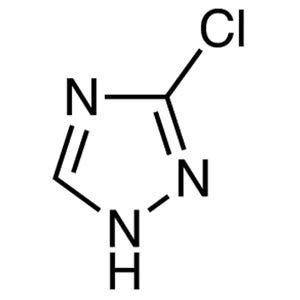
- TCI C3013 6818-99-1 3-Chloro-1,2,4-triazole
- TCI D5166 5788-58-9 4,5-Dibromo-3(2H)-pyridazinone
- TCI D6528 1796549-32-0 3,11-Dibromo-7H-dibenzo[c,g]carbazole
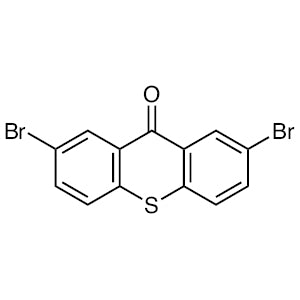
- TCI D5839 40102-86-1 2,7-Dibromo-9H-thioxanthen-9-one
- TCI D5546 1221237-83-7 3,6-Dibromo-9-(2-naphthalenyl)-9H-carbazole
- Organic synthesis: This compound is widely used in the synthesis of complex organic molecules due to its reactivity and structural versatility.
- Pharmaceutical research: It is a key building block in the development of new drugs, particularly in the design of compounds with biological activity.
- Heterocyclic chemistry: Its triazole ring structure makes it ideal for creating and studying heterocyclic compounds with diverse applications.
- Chemical modification studies: The bromine atoms allow for substitution reactions, making it useful in exploring chemical transformations and functional group modifications.
- Industrial chemical production: It serves as a precursor for various industrial chemicals, supporting the development of new materials and products.
| Brand | TCI |
|---|---|
| CAS number | 7411-23-6 |
| Molecular formula | — |
| Purity | — |
| Category | Chemistry > Building Blocks > Heterocyclic Building Blocks |
| Pack sizes | Available in various quantities as per supplier specifications |
| Physical form | Solid |
| Storage | Store in a cool, dry place away from light and incompatible materials |
This compound should be stored in a cool, dry environment, away from direct sunlight and sources of heat. It is recommended to use airtight containers to prevent moisture absorption and contamination. Due to its bromine content, it should be kept separate from incompatible substances such as strong oxidizers and flammable materials. Proper ventilation is essential when handling this compound to minimize exposure. Laboratory personnel should wear appropriate personal protective equipment, including gloves and safety goggles, to ensure safe handling. Regular monitoring of storage conditions is advised to maintain the compound's integrity and ensure safe laboratory practices.
—
Product Categories
Produk Terkait
-
4,5-Dibromo-1H-1,2,3-triazole TCI D5205
Regular price From Rp 1.829.100,00Regular price -
3-Chloro-1,2,4-triazole TCI C3013
Regular price From Rp 1.670.550,00Regular price -
4,5-Dibromo-3(2H)-pyridazinone TCI D5166
Regular price From Rp 769.650,00Regular price -
3,11-Dibromo-7H-dibenzo[c,g]carbazole TCI D6528
Regular price From Rp 2.359.350,00Regular price -
2,7-Dibromo-9H-thioxanthen-9-one TCI D5839
Regular price From Rp 3.922.800,00Regular price -
3,6-Dibromo-9-(2-naphthalenyl)-9H-carbazole TCI D5546
Regular price From Rp 795.900,00Regular price -
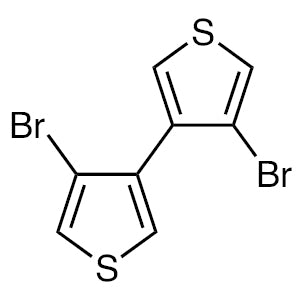
4,4'-Dibromo-3,3'-bithiophene TCI D5374
Regular price Rp 5.830.650,00Regular price -
4,7-Dibromo-5,6-dinitro-2,1,3-benzothiadiazole TCI D4985
Regular price From Rp 1.908.900,00Regular price


![3,11-Dibromo-7H-dibenzo[c,g]carbazole (CAS 1796549-32-0) - TCI D6528 - AMI Scientific](http://amiscientific.com/cdn/shop/files/TCI2510D6528.jpg?v=1767110368&width=533)