4,5-Dibromo-3(2H)-pyridazinone is a chemical compound widely used in organic synthesis reactions, particularly in the formation of heterocyclic compounds. As a building block in chemical research, it plays a crucial role in the development of complex molecular structures. Its pyridazinone core is a fundamental component of heterocyclic chemistry, making it a valuable reagent for synthetic pathways. This compound is commonly found in substitution and cyclization reactions, enabling the synthesis of molecules with specific functional groups and structural complexity.
The compound's chemical stability under controlled conditions makes it a reliable choice for laboratory use. However, it remains sensitive to moisture and light exposure, requiring careful handling. The presence of two bromo groups at positions 4 and 5 significantly enhances its reactivity, allowing it to participate in substitution or electrophilic reactions. These properties make it an ideal material for researchers seeking controlled reactivity and stability in their experiments.
In Indonesian laboratories, 4,5-Dibromo-3(2H)-pyridazinone is utilized in various chemical research applications, including the synthesis of pharmacological compounds, industrial chemicals, and new material development. Its availability through AMI Scientific supports local research efforts, ensuring that scientists have access to high-quality reagents for their work.
Related TCI products
- TCI D5325 1698-53-9 4,5-Dichloro-2-phenyl-3(2H)-pyridazinone
- TCI D5324 933-76-6 4,5-Dichloro-2-methyl-3(2H)-pyridazinone
- TCI D2768 932-22-9 4,5-Dichloro-3(2H)-pyridazinone
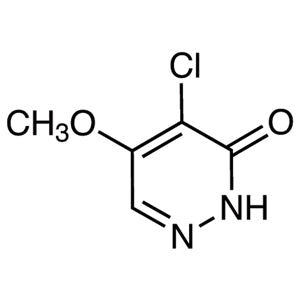
- TCI C2972 63910-43-0 4-Chloro-5-methoxy-3(2H)-pyridazinone
- TCI D5030 7411-23-6 3,5-Dibromo-1,2,4-triazole
- TCI D6528 1796549-32-0 3,11-Dibromo-7H-dibenzo[c,g]carbazole
- Organic synthesis of heterocyclic compounds due to its pyridazinone core and bromo substituents.
- Development of pharmaceuticals through controlled substitution reactions involving bromo groups.
- Preparation of industrial chemicals requiring stable and reactive building blocks for complex structures.
- Research into new materials where functional group modification is essential for material properties.
- Cyclization reactions to form complex ring structures in synthetic pathways.
| Brand | TCI |
|---|---|
| CAS number | 5788-58-9 |
| Molecular formula | — |
| Purity | — |
| Category | Chemistry > Building Blocks > Heterocyclic Building Blocks |
| Pack sizes | Available in standard laboratory quantities |
| Physical form | Solid |
| Storage | Keep in a cool, dry place away from light and moisture |
This compound should be stored in a cool, dry environment, away from direct light and moisture to maintain its chemical stability. It is recommended to use airtight containers to prevent exposure to humidity, which can affect its reactivity. Due to its sensitivity to light, it is best kept in opaque or dark-colored containers. In laboratory settings, it should be handled with appropriate safety measures, including the use of personal protective equipment. Proper ventilation is also essential when working with this compound to minimize exposure risks. Regular monitoring of storage conditions ensures the compound remains in optimal condition for use in research applications.
—
Product Categories
Produk Terkait
-
4,5-Dichloro-2-phenyl-3(2H)-pyridazinone TCI D5325
Regular price From Rp 717.150,00Regular price -
4,5-Dichloro-2-methyl-3(2H)-pyridazinone TCI D5324
Regular price From Rp 769.650,00Regular price -
4,5-Dichloro-3(2H)-pyridazinone TCI D2768
Regular price From Rp 2.359.350,00Regular price -
4-Chloro-5-methoxy-3(2H)-pyridazinone TCI C2972
Regular price From Rp 743.400,00Regular price -
3,5-Dibromo-1,2,4-triazole TCI D5030
Regular price From Rp 1.829.100,00Regular price -
3,11-Dibromo-7H-dibenzo[c,g]carbazole TCI D6528
Regular price From Rp 2.359.350,00Regular price -
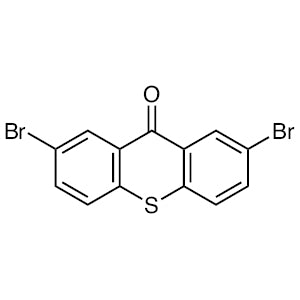
2,7-Dibromo-9H-thioxanthen-9-one TCI D5839
Regular price From Rp 3.922.800,00Regular price -
3,6-Dibromo-9-(2-naphthalenyl)-9H-carbazole TCI D5546
Regular price From Rp 795.900,00Regular price



![3,11-Dibromo-7H-dibenzo[c,g]carbazole (CAS 1796549-32-0) - TCI D6528 - AMI Scientific](http://amiscientific.com/cdn/shop/files/TCI2510D6528.jpg?v=1767110368&width=533)