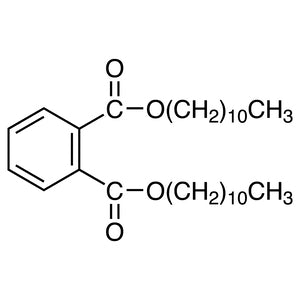
Diundecyl phthalate (DUP), with the CAS number 3648-20-2, is a chemical compound widely used in laboratory settings for its versatility and stability. As a building block in organic chemistry, DUP plays a crucial role in the synthesis of complex molecular structures. It is commonly employed as a solvent or auxiliary material in chemical reactions that require specific functional properties. Its controlled reactivity and chemical inertness make it a reliable choice for various scientific applications.
The compound's high melting and boiling points contribute to its thermal stability, making it suitable for use in environments where temperature control is essential. Its relatively non-reactive nature allows it to be safely handled in a wide range of experimental conditions. Additionally, its ability to interact selectively with other compounds under specific conditions enhances its utility in synthetic processes. These properties ensure that DUP remains a preferred material in both research and educational laboratories.
In Indonesian laboratories, DUP is frequently used in chemical research, material development, and academic settings. Its availability in the local market and its reliability in maintaining chemical stability make it a trusted choice for scientists and students alike. The compound supports a variety of experimental needs, from basic research to advanced synthetic projects, contributing to the advancement of chemical sciences in Indonesia.
- Organic synthesis applications benefit from DUP's stability and controlled reactivity, making it ideal for complex molecule construction.
- As a solvent in chemical reactions, DUP provides a non-reactive medium that supports a wide range of chemical interactions.
- In material development, DUP is used to create flexible and durable compounds, enhancing the properties of final products.
- Educational institutions utilize DUP for teaching purposes, allowing students to explore chemical behavior and synthesis techniques.
- Research laboratories rely on DUP for its consistent performance in various experimental setups, ensuring reliable results.
| Brand | TCI |
|---|---|
| CAS number | 3648-20-2 |
| Molecular formula | — |
| Purity | — |
| Category | Chemistry > Building Blocks > Non-Heterocyclic Building Blocks |
| Pack sizes | Available in various quantities as per supplier specifications |
| Physical form | Liquid |
| Storage | Store in a cool, dry place away from direct sunlight |
Diundecyl phthalate should be stored in a cool, dry place, away from direct sunlight and sources of heat. It is recommended to use sealed containers made of materials compatible with its chemical properties, such as glass or high-density polyethylene. Due to its relatively non-reactive nature, it does not require special handling under normal laboratory conditions. However, it is important to ensure proper ventilation when working with the compound to avoid inhalation of vapors. Always use appropriate personal protective equipment, including gloves and safety goggles, to minimize exposure. The compound should be kept in a secure location to prevent accidental spills or contamination of other materials.
—
Produk Terkait
-
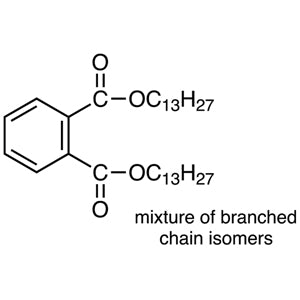
DitridecylPhthalate(mixtureofbranchedchainisomers) TCI P0307
Regular price Rp 477.750,00Regular price -
DipropylPhthalate TCI P0306
Regular price From Rp 1.590.750,00Regular price -
DimethylPhthalate TCI P0302
Regular price From Rp 505.050,00Regular price -
DiisopropylPhthalate TCI P0301
Regular price From Rp 2.227.050,00Regular price -
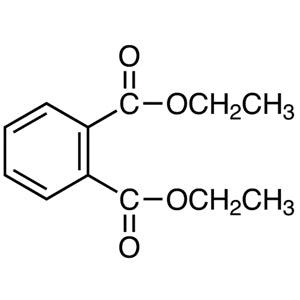
DiethylPhthalate TCI P0296
Regular price From Rp 477.750,00Regular price -
DibutylPhthalate TCI P0292
Regular price From Rp 477.750,00Regular price -
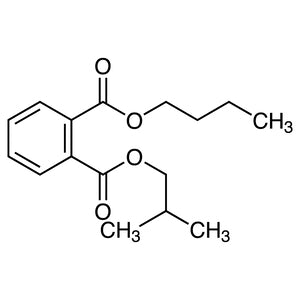
ButylIsobutylPhthalate TCI B6634
Regular price Rp 4.347.000,00Regular price -
BenzylIsononylPhthalate(mixtureofbranchedchainisomers) TCI B2715
Regular price Rp 955.500,00Regular price