Didecyldimethylammonium Chloride (DDAC) is a chemical compound widely used as a phase transfer catalyst in various laboratory applications. This material plays a crucial role in facilitating reactions between immiscible phases, such as aqueous and organic solvents, by enabling the transfer of reactants across different phases. Its unique structure allows it to function effectively in both polar and non-polar environments, making it an essential tool in synthetic chemistry. DDAC is particularly valuable in reactions that require mild conditions, as it reduces the need for extreme temperatures or pressures, thereby improving reaction efficiency and safety.
DDAC is preferred due to its chemical stability, hydrophobic nature, and high ionization ability. These properties allow it to interact effectively with a wide range of substrates, enhancing reaction rates and yields. Its stability under normal conditions ensures consistent performance, while its non-toxic profile makes it a safer alternative to other catalysts. Additionally, DDAC does not degrade easily, which contributes to its long shelf life and reliability in repeated use. These characteristics make it a reliable and efficient choice for laboratory applications requiring high performance and stability.
In Indonesian laboratories, DDAC is commonly used in organic synthesis and catalytic processes. It supports research in chemical engineering, pharmaceutical development, and environmental science by enabling efficient and controlled reactions. Its widespread use in academic and industrial settings highlights its importance in advancing chemical research and innovation within the region.
TCI brochures (PDF)
- Polymer Additives 2026-04-16 · p. 11
Related TCI products
- TCI B3748 7281-04-1 Benzyldodecyldimethylammonium Bromide
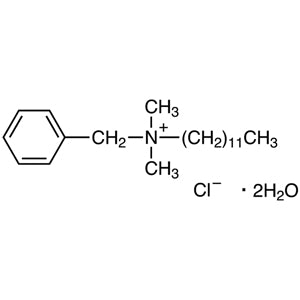
- TCI B2171 147228-80-6 Benzyldodecyldimethylammonium Chloride Dihydrate
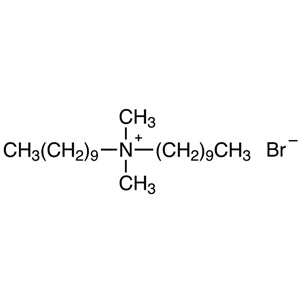
- TCI D2363 2390-68-3 Didecyldimethylammonium Bromide
- TCI A0208 139-08-2 Benzyldimethyltetradecylammonium Chloride
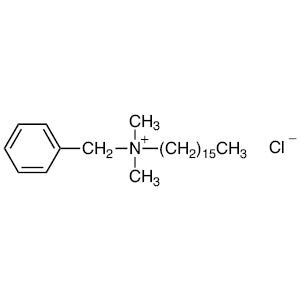
- TCI B0237 122-18-9 Benzylcetyldimethylammonium Chloride
- TCI T0926 4574-04-3 Trimethyltetradecylammonium Chloride
- Organic synthesis reactions benefit from DDAC’s ability to bridge aqueous and organic phases, enhancing reaction efficiency and yield.
- Catalytic processes in chemical engineering rely on DDAC to facilitate reactions under mild conditions, reducing energy consumption and waste.
- Pharmaceutical research utilizes DDAC to improve the solubility and reactivity of compounds, supporting drug development and formulation.
- Environmental analysis employs DDAC to enhance the extraction of pollutants from complex matrices, improving detection accuracy.
- Industrial chemical processes use DDAC to optimize reaction conditions, ensuring cost-effective and sustainable production methods.
| Brand | TCI |
|---|---|
| CAS number | 7173-51-5 |
| Molecular formula | — |
| Purity | — |
| Category | Chemistry > Synthetic Reagents > Phase Transfer Catalysts |
| Pack sizes | Available in various quantities as per standard supplier offerings |
| Physical form | Solid powder |
| Storage | Store in a cool, dry place away from moisture and direct sunlight |
DDAC should be stored in a cool, dry environment to maintain its chemical stability and prevent degradation. It is recommended to keep the material in a sealed container to avoid moisture exposure, which can affect its performance. Suitable containers include glass or high-density polyethylene (HDPE) vessels that are resistant to chemical interactions. In a laboratory setting, it is important to handle DDAC with care, using appropriate personal protective equipment such as gloves and safety goggles. While it is generally considered non-toxic, it is advisable to follow standard laboratory safety protocols to ensure safe handling and storage. Proper labeling and storage conditions help maintain the integrity of the compound and ensure its effectiveness in various applications.
—
Produk Terkait
-
BenzyldodecyldimethylammoniumBromide TCI B3748
Regular price From Rp 1.167.600,00Regular priceRp 831.600,00Sale price From Rp 1.167.600,00 -
BenzyldodecyldimethylammoniumChlorideDihydrate TCI B2171
Regular price Rp 1.881.600,00Regular priceRp 1.331.400,00Sale price Rp 1.881.600,00 -
DidecyldimethylammoniumBromide TCI D2363
Regular price From Rp 1.087.800,00Regular priceRp 775.950,00Sale price From Rp 1.087.800,00 -
BenzyldimethyltetradecylammoniumChloride TCI A0208
Regular price From Rp 662.550,00Regular priceRp 478.800,00Sale price From Rp 662.550,00 -
BenzylcetyldimethylammoniumChloride TCI B0237
Regular price From Rp 955.500,00Regular priceRp 683.550,00Sale price From Rp 955.500,00 -
TrimethyltetradecylammoniumChloride TCI T0926
Regular price From Rp 1.008.000,00Regular priceRp 720.300,00Sale price From Rp 1.008.000,00 -
n-OctyltrimethylammoniumChloride TCI O0178
Regular price From Rp 1.220.100,00Regular priceRp 868.350,00Sale price From Rp 1.220.100,00 -
HexadecyltrimethylammoniumChloride TCI H0082
Regular price From Rp 928.200,00Regular priceRp 664.650,00Sale price From Rp 928.200,00