Ethyl 2-(3-Cyano-4-isobutoxyphenyl)-4-methyl-5-thiazolecarboxylate is a chemical compound widely used in pharmaceutical research and development. This reagent plays a crucial role in the synthesis of various therapeutic agents, particularly in the creation of antihistaminic compounds and other drugs with medicinal applications. Its structural complexity allows for precise chemical reactions, making it an essential building block in the development of new pharmaceutical ingredients. In laboratory settings, this compound supports the exploration of novel drug candidates and contributes to the advancement of medicinal chemistry.
The compound is valued for its chemical stability and reactivity, which are key factors in its effectiveness during synthetic processes. Its ability to undergo specific chemical transformations under controlled conditions makes it a reliable choice for researchers. Additionally, its consistent performance in laboratory experiments ensures reproducibility and accuracy in research outcomes. These characteristics make it a preferred material for scientists working in drug discovery and pharmaceutical development.
In Indonesian laboratories, this compound is commonly used by researchers in pharmacology, organic chemistry, and drug development. It supports local efforts in innovation and research, contributing to the growth of the pharmaceutical industry in the region. Its application aligns with the goals of advancing scientific knowledge and developing new therapeutic solutions for public health needs.
Related TCI products
- TCI M3197 139481-44-0 Methyl 1-[(2'-Cyano-[1,1'-biphenyl]-4-yl)methyl]-2-ethoxy-1H-benzo[d]imidazole-7-carboxylate
- TCI C3607 90357-51-0 N-[4-Cyano-3-(trifluoromethyl)phenyl]-2-methyloxirane-2-carboxamide
- TCI C3315 848133-76-6 N-(4-Chloro-3-cyano-7-ethoxy-6-quinolinyl)acetamide
- TCI C3217 24522-30-3 2-Cyano-N-[4-(trifluoromethyl)phenyl]acetamide
- TCI B4742 4547-57-3 4-Butoxyphenylacetic Acid
- TCI B4877 131724-45-3 N-(tert-Butoxycarbonyl)-4-cyano-L-phenylalanine
- Antihistaminic Compound Synthesis: This reagent is ideal for synthesizing antihistaminic drugs due to its structural compatibility with the required molecular frameworks.
- Pharmaceutical Development Research: It supports the creation of new drug formulations by acting as a key intermediate in complex chemical reactions.
- Organic Chemistry Experiments: Its reactivity and stability make it suitable for use in various organic synthesis protocols and reaction studies.
- Drug Discovery Projects: It is frequently used in high-throughput screening and early-stage drug development to identify potential therapeutic agents.
- Medicinal Chemistry Studies: Its role in building complex molecular structures makes it a valuable tool for exploring new chemical entities with medicinal properties.
| Brand | TCI |
|---|---|
| CAS number | 160844-75-7 |
| Molecular formula | — |
| Purity | — |
| Category | Chemistry > Pharmaceutical Development and Drug Discovery Research Reagents > Building Blocks for Pharmaceutical Ingredients |
| Pack sizes | Available in standard laboratory quantities as per supplier specifications |
| Physical form | Solid or liquid, depending on the specific product formulation |
| Storage | Store in a cool, dry place away from direct sunlight and moisture |
This compound should be stored in a cool, dry environment to maintain its chemical stability. It is recommended to keep it in a tightly sealed container to prevent exposure to moisture and air. Suitable storage conditions include a controlled temperature range between 15°C and 25°C. Avoid direct sunlight and ensure the container is stored away from incompatible substances. In laboratory settings, always handle the compound with appropriate personal protective equipment, such as gloves and safety goggles, to ensure safety during use and storage. Proper labeling of containers is essential for safe handling and to prevent accidental exposure.
—
Product Categories
Produk Terkait
-
Methyl1-[(2'-Cyano-[1,1'-biphenyl]-4-yl)methyl]-2-ethoxy-1H-benzo[d]imidazole-7-carboxylate TCI M3197
Regular price From Rp 1.167.600,00Regular price -
N-[4-Cyano-3-(trifluoromethyl)phenyl]-2-methyloxirane-2-carboxamide TCI C3607
Regular price From Rp 1.193.850,00Regular price -
N-(4-Chloro-3-cyano-7-ethoxy-6-quinolinyl)acetamide TCI C3315
Regular price From Rp 1.458.450,00Regular price -
2-Cyano-N-[4-(trifluoromethyl)phenyl]acetamide TCI C3217
Regular price From Rp 2.809.800,00Regular price -
4-ButoxyphenylaceticAcid TCI B4742
Regular price From Rp 1.060.500,00Regular price -
N-(tert-Butoxycarbonyl)-4-cyano-L-phenylalanine TCI B4877
Regular price From Rp 2.466.450,00Regular price -
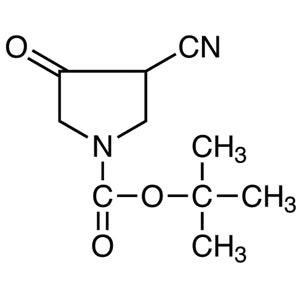
1-tert-Butoxycarbonyl-3-cyano-4-pyrrolidone TCI B4761
Regular price From Rp 689.850,00Regular price -
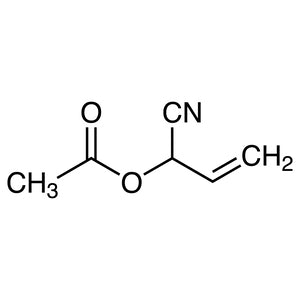
1-Cyano-2-propenylAcetate TCI A1196
Regular price Rp 7.023.450,00Regular price
![139481-44-0 Methyl 1-[(2'-Cyano-[1,1'-biphenyl]-4-yl)methyl]-2-ethoxy-1H-benzo[d]imidazole-7-carboxylate - AMI Scientific](http://amiscientific.com/cdn/shop/files/TCI2510M3197.jpg?v=1767127902&width=533)
![N-[4-Cyano-3-(trifluoromethyl)phenyl]-2-methyloxirane-2-carboxamide (CAS 90357-51-0) - TCI C3607 - AMI Scientific](http://amiscientific.com/cdn/shop/files/TCI2510C3607.jpg?v=1767099830&width=533)

![2-Cyano-N-[4-(trifluoromethyl)phenyl]acetamide (CAS 24522-30-3) - TCI C3217 - AMI Scientific](http://amiscientific.com/cdn/shop/files/TCI2510C3217.jpg?v=1767099348&width=533)