Ethyl 2-Benzylidene-3-oxobutanoate (mixture of isomers), with CAS number 620-80-4, is a versatile organic compound used as a building block in chemical synthesis. It plays a critical role in laboratories where complex molecular structures are being developed, particularly in the field of organic chemistry. This compound is widely utilized in the creation of aromatic and heterocyclic compounds, making it an essential tool for researchers aiming to design new molecules with specific functionalities. Its stability and reactivity under controlled conditions allow it to be a reliable component in various synthetic pathways.
The compound’s ability to participate in reactions such as condensation and substitution makes it a preferred choice for chemists. Its chemical structure enables it to act as a precursor in the synthesis of aromatic and heterocyclic compounds, contributing to the development of pharmaceuticals and industrial materials. Additionally, its relatively low toxicity ensures safe handling in laboratory environments, aligning with the safety standards required in modern research settings.
In Indonesian laboratories, this compound is commonly used in organic chemistry research, especially in academic and industrial settings. It is a key component in studies focused on molecular synthesis, structural variation, and the development of new chemical entities. Its availability and reliability make it a valuable resource for both educational and applied research projects.
Related TCI products
- TCI T4002 42594-17-2 Tricyclo[5210~2,6~]decanedimethanol Diacrylate (mixture of isomers) (stabilized with MEHQ)
- TCI T2701 6809-52-5 Teprenone [mixture of (5E,9E,13E)- and (5Z,9E,13E)- isomers]
- TCI B3371 14765-30-1 2-sec-Butylcyclohexanone (mixture of isomers)
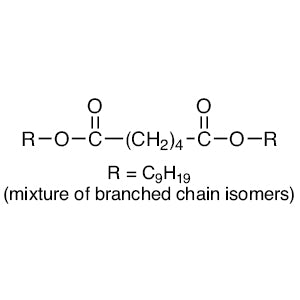
- TCI A1387 33703-08-1 Diisononyl Adipate (mixture of branched chain isomers)
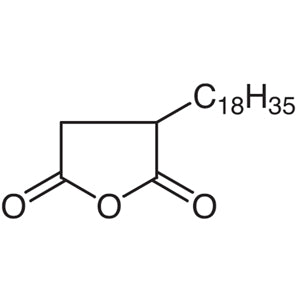
- TCI T0170 26544-38-7 Tetrapropenylsuccinic Anhydride (mixture of branched chain isomers)
- TCI T0023 80-26-2 Terpinyl Acetate (mixture of isomers)
- Organic synthesis research where aromatic compound development is required due to its ability to act as a precursor in complex molecule formation.
- Pharmaceutical development projects as it contributes to the synthesis of compounds with potential therapeutic applications.
- Structural variation studies in chemical laboratories to explore new molecular configurations and functional groups.
- Industrial chemical manufacturing processes that require stable and reactive building blocks for compound production.
- Educational laboratory settings for teaching and practicing synthetic chemistry techniques and molecular design principles.
| Brand | TCI |
|---|---|
| CAS number | 620-80-4 |
| Molecular formula | — |
| Purity | — |
| Category | Chemistry > Building Blocks > Non-Heterocyclic Building Blocks |
| Pack sizes | Available in standard laboratory quantities as per supplier specifications |
| Physical form | Solid, crystalline appearance |
| Storage | Store in a cool, dry place away from direct sunlight and moisture |
This compound should be stored in a cool, dry environment, away from direct sunlight and moisture to maintain its chemical stability. It is recommended to use airtight containers to prevent exposure to air and humidity, which could affect its reactivity. In laboratory settings, proper personal protective equipment (PPE) such as gloves and safety goggles should be worn when handling to ensure safety. Due to its relatively low toxicity, it is considered safe for routine use, but standard laboratory safety protocols should still be followed to minimize risk. The compound is stable under normal storage conditions and does not require special refrigeration unless specified by the supplier.
—
Produk Terkait
-
Tricyclo[5210~2,6~]decanedimethanolDiacrylate(mixtureofisomers)(stabilizedwithMEHQ) TCI T4002
Regular price From Rp 1.273.650,00Regular price -
Teprenone[mixtureof(5E,9E,13E)-and(5Z,9E,13E)-isomers] TCI T2701
Regular price From Rp 2.147.250,00Regular price -
2-sec-Butylcyclohexanone(mixtureofisomers) TCI B3371
Regular price Rp 1.060.500,00Regular price -
DiisononylAdipate(mixtureofbranchedchainisomers) TCI A1387
Regular price From Rp 584.850,00Regular price -
TetrapropenylsuccinicAnhydride(mixtureofbranchedchainisomers) TCI T0170
Regular price From Rp 505.050,00Regular price -
TerpinylAcetate(mixtureofisomers) TCI T0023
Regular price From Rp 477.750,00Regular price -
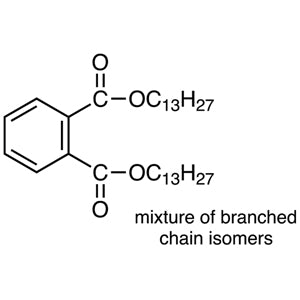
DitridecylPhthalate(mixtureofbranchedchainisomers) TCI P0307
Regular price Rp 477.750,00Regular price -
OctadecenylsuccinicAnhydride(mixtureofisomers) TCI O0013
Regular price From Rp 1.087.800,00Regular price
![42594-17-2 Tricyclo[5.2.1.0~2,6~]decanedimethanol Diacrylate (mixture of isomers) (stabilized with MEHQ) - AMI Scientific](http://amiscientific.com/cdn/shop/files/TCI2510T4002.jpg?v=1767144579&width=533)
![6809-52-5 Teprenone [mixture of (5E,9E,13E)- and (5Z,9E,13E)- isomers] - AMI Scientific](http://amiscientific.com/cdn/shop/files/TCI2510T2701.jpg?v=1767143256&width=533)